Press Statement on the repatriation of refugees in both Rwanda and DRC: What if we promote their protection?
-
by
cojeski
- No Comments on Press Statement on the repatriation of refugees in both Rwanda and DRC: What if we promote their protection?
Statement on the recent concluded tripartite meeting between the Democratic Republic of Congo, Rwanda and UNHCR on the repatriation of refugees between the two countries. We are strongly concerned about the politicization of refugees, what if?
We are extremely concerned about the recent tripartite meeting held on Monday June 29th, 2027 in Addis Ababa between the Democratic Republic of Congo, Rwanda and UNHCR over the repatriation of refugees in both countries. Over the years we observed the politicization and militarization of refugees in the Democratic Republic of Congo and in the other countries in the region, this is contrary to the obligation of the African Union Convention on refugees Article two (b) which states “the grant of asylum to refugees is a peaceful and humanitarian act and shall not be regarded as an unfriendly act by any Member State”.
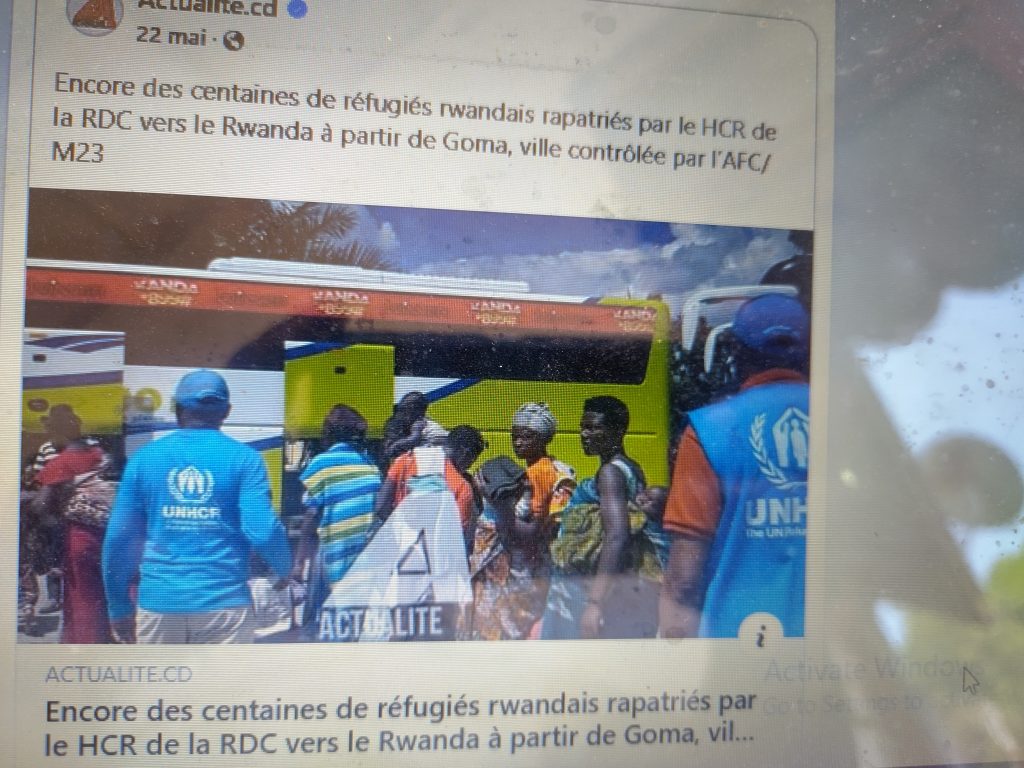
We continue observing the massive violations of refugee rights and the diminution of their protection space in DRC in the name of agreements, accords and political arrangements between DRC, Rwanda and UNHCR who over the years has been used in order to legitimize political agendas of both countries. The so called voluntary repatriation has never happened and in most cases refugees are compelled to go back as UNHCR looks on, comes with Lories and Biscuit in order to make the forced repatriation look like “humane and legal”. What if UNHCR takes a distance?
While millions of refugees have lived in DRC without protection, without relief aid and without even recognition, efforts are being done to show us that the priority is to send away these refugees in the name of “voluntary repatriation”. And unfortunately both states have made such approach their priorities and even UNHCR has completely failed to remind the states about their obligations to protect refugees on their territories and to stop using them for political interests. How can we evaluate the free consent to repatriate a refugee who has never benefited from protection?
We are also saddened by the ongoing forced repatriation of refugees in areas of South Kivu and North Kivu which are under the control of Rwandan Army and which benefits supports from UNHCR, once again in DRC UNHCR seems to become a mere instrument to legitimize refugee rights violations, as this has even existed for long without being criticized and challenged.
We are fully aware that for Rwanda even a small child that is being born from a refugee in DRC today is either a “Genocidaire or AFDLR Militia”, however the reality on the ground is not true as thousands of Rwandan refugees in DRC are mere civilians and are not in any way associated either to the genocide or to FDLR and most of them do not want to go back to Rwanda.
What if we could change the narrative and encourage Rwanda to recognize the presence of Rwandan refugees in DRC and engage more DRC Government for their better protection? What if Rwanda could cooperate with UNHCR in order to offer services to Rwandan refugees in DRC and become friendlier to them? What if UNHCR could clearly remind and engage all the governments on their obligations to protect refugees? What if UNHCR could document and report to the United Nations refugee rights violations in DRC?
On the other side Rwanda has kept refugees in camps who are believed to be Congolese Citizens which is highly contested in DRC claiming that people in camps in Rwanda are Rwandans who were refugees in DRC and then due to the war crossed the border and entered Rwanda. Bringing them back to DRC in the name of Congolese could spark ethnic and community violence. This situation is for us a reminder that we need to look at our policies and adapt them to the reality on ground so that they may not cause harm. What if we could bring these refugees in Rwanda to go back to DRC and still host them in DRC as Rwandan refugees? What if we could explore options for local integration and naturalization in Rwanda? What if we could promote their resettlement to third countries? What if we could work directly with them and their communities in DRC to prepare their repatriation?
Generally in that are being done, refugees, the civil society and other stakeholders remain absent, development partners remain silent and the whole international community plays a complicity role.
Through this press-statement we humbly come to you to tell you that together with you we can make a different to hold both Rwanda and DRC governments accountable, and ensure that UNHCR in both countries cannot continue to act in total impunity and in the absence of the public control.
Let us get mobilize and end the politicization of refugees in DRC and in Rwanda and promote their protection.
Kulihoshi Musikami Pecos
National Team Leader
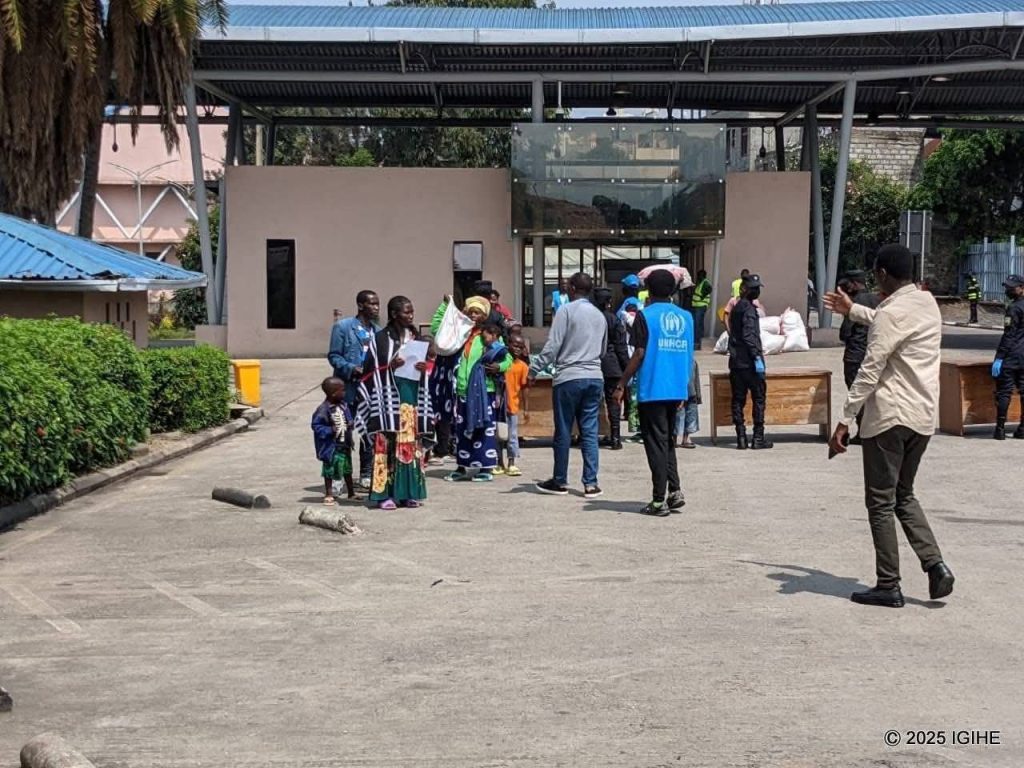
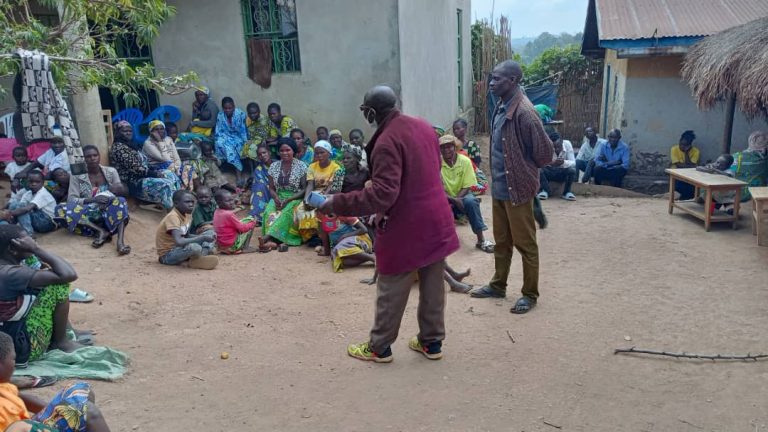
Here at the border between Rwanda an DRC, it is about commend and orders as refugees are worried.