Youth Empowerment in Kalemie City, Tanganyika Province
Since January up to June 2026 we engaged in various activities focusing of youth capacity building in Kalemie City, and this was made possible through funding from Children’s Rights Innovation Fund (CRIF), please find more about our activities here in this link: https://cojeskidrcongo.org/final-report-on-our-activities-in-kalemie-city-tanganyika-province-with-funding-from-childdrens-rights-innovation-fund/
Compte Rendu de la 39ème Journée Internationale de l’Action pour la Santé des Femmes Célébrée à Lubumbashi/KATUBA, Quartier BUKAMA Province du Haut-Katanga, RDC par le Collectif des Organisations des Jeunes Solidaires de Congo- Kinshasa (COJESKI-RDC) Coordination Provinciale du Haut-Katanga.
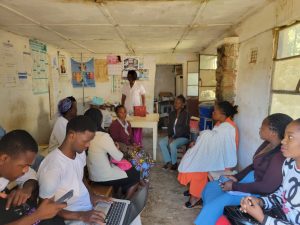
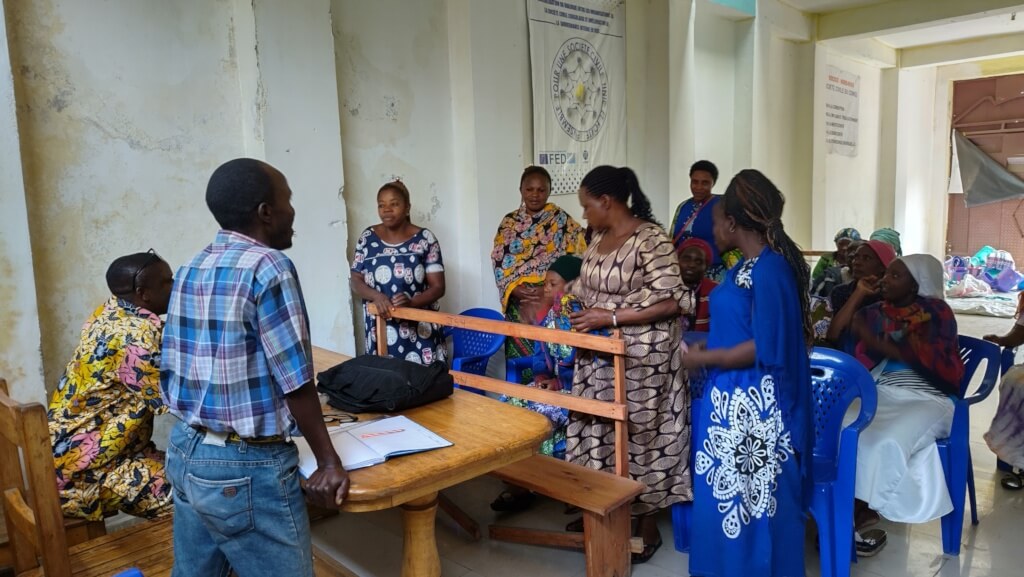
Les participants pendant la session d’information composee des jeunes la plus part
Jeudi 28 mai 2026 la
Le Collectif des Organisations de Jeunes Solidaires de Congo Kinshasa (COJESKI-RDC) Coordination Provinciale du Haut-Katanga en partenariat avec le Comité de Développement de Santé (CODESA) et le Service de Protection Maternelle et Infantile (PMI) de Centre de Santé BUKAMA, référence de l’Aire de Santé du Marché a organisé une session d’information et de sensibilisation des Jeunes sous le Thème National: « Droits Garantis, Autonomisation durable pour toutes les femmes et filles en RDC » et comme Thème Local: « Importance de la prévention, dépistage volontaire et prise en compte des besoins de santé féminins »,
Lieu: Salle de réunions PMI CS BUKAMA, sise sur Avenue Tanganyika coin Avenue Kabulo Roger, Quartier BUKAMA, Commune KATUBA, Ville de Lubumbashi, Province du Haut-Katanga.
4 Points ont figurés à l’ordre du jour:
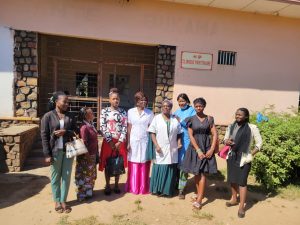
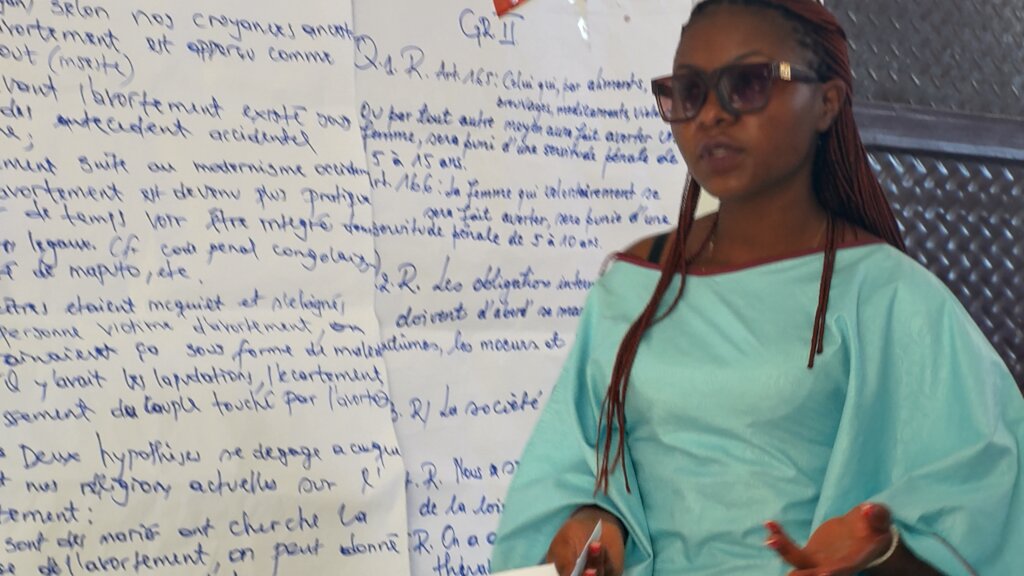
La photo des organisatrices, juste apres l’activite aau centre
Présentation et explication de la Journée Mondiale pour la Sante de la Femme, et surtout la sante Menstruelle de la femme, par le Modérateur du COJESKI-RDC,
L’endométriose: diagnostic tardif et conséquences, facilité par Mme Claudine CHANSA Cheffe de service PMI CS BUKAMA;
Le choc toxique lié à l’usage des tampons et les comportements à éviter au port des tampons, exposés par Mme Pétrone KAZEMBE présidente de CODESA CS BUKAMA;
L’infarctus du myocarde chez la femme: principaux symptômes et diagnostic, présenté par Mlle Francine ILUNGA Coordinatrice COJESKI-RDC Haut-Katanga.
Objectif: Renforcer l’accès à l’information, dépistage et à la prévention, ainsi qu’une connaissance exacte pour éliminer le Mythe sur les règles mensuelles de la femme,
Entant donné que les Femmes trop souvent relèguent leur santé au second plan les échanges ont tournés tout autour de:
La gestion des règles mensuelles et les perceptions publiques,
Diagnostics plus tardifs
Symptômes minimisés
Sous-représentation dans la recherche Clinique.
Durant cette réunion de sensibilisation, les trois facilitatrices ont rappelés aux participants l’importance de l’activité physique régulière, l’alimentation équilibrée et le sommeil suffisant comme facteurs réduisant les risques cardiovasculaires, métabolique et de cancer.
Difficultés rencontrées:
Ignorance par la majorité de femmes et des communautés en général des actions à poser pour la promotion et la protection de la santé des femmes
Faible participation des femmes pour une Aire de Santé des 3 blocs avec une population de 13.432 Habitants dont les Femmes sont estimées à 68%,
Insuffisance de la logistique en termes d’outils et Matériels de communication (Affiches, dépliants, T-shirts, Casquettes, Boîtes à images, Médias pour couvrir l’activité et autres imprimés),
Recommandations:
Organiser des séances de sensibilisation sur la sante menstruelle de la femme, l’endométriose, l’infarctus du myocarde et l’usage des tampons, les comportements à éviter au port des tampons le Jeudi de la quatrième semaine de chaque mois;
Organiser la campagne de dépistage volontaire de l’endométriose et de l’infarctus du myocarde le Mardi de la première semaine de chaque mois;
Étendre la sensibilisation sur l’endométriose, l’infarctus du myocarde, l’usage des tampons, les comportements à éviter au port du tampon et le dépistage volontaire de l’endométriose et de l’infarctus du myocarde dans les Aires de Santé de KANTUMBWI et SEBA de la Zone de Santé KATUBA à LUBUMBASHI Division Provinciale de la Santé du Haut –Katanga,
– Appui logistique au Comité de Développement de Santé (CODESA) de Centre de Santé BUKAMA, Aire de Santé du Marché de la Zone de Santé KATUBA pour Exécuter son PMA (Paquet Minimum d’Activités).
Commencée à 09h30, l’activité été finie à 11h00
*Signé par :*
More than 75% of the population in the Democratic Republic of Congo is composed of young people from 15 to 45 years Old. They are from poor families and as such do not access to education and health services. Most of them are living in extreme poverty, which is why the reduction of poverty is among our key activities.
Our programs range from the reform of education and health sectors to make them youth friendly and introduce services which take care of the specific needs of young people, in education we are promoting skills development, entrepreneurship, Civic Education and Carrier Guidance, business trainings and Income Generating Activities among others. We have also put in place transitional education and Functional Adults Literacy among others.
On top of existing international days, we shall put in place a particular day looking on young people, Equator Province will be our headquarters and Patrice Lumumba will be the symbol for all our youth activities.
In health sectors we are advocating for inclusive health services focusing of HIV/AIDs, Sexual and Reproductive Health Rights, Safe Abortion Services and Mental Health among others.
WHAT SHOULD WE DO TO SOLVE THE WAZALENDO CHALLENGE?
On Friday May 15th, 2026 we shall attend a public Conference here in Kinshasa under the Theme ” Entre défense du terroir et autorité de l’État : Le défi des Wazalendo. Rejoignez le débat” which means ” Between the defense of the territory and authority of the state: Challenges of Wazalendo, join the debate”.
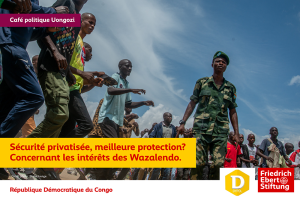
Background information
Wazalendo is the name attributed to all local armed groups in DRCongo which are opposed to the presence of Rwandan Army in Eastern Democratic Republic of Congo, Wazalendo means “Patriots”, they are composed of young people who generally want to defend their land against foreign aggression, most of whom have never been to school or did not go far with studies. They are playing a big role and in actual sense every Congolese who defends his land in one way or the other is a Muzalendo, some did not take guns but they are in advocacy, some are creating awareness among local population, some are communicators, some are in research, some are in education………..
In this case the Conference will focus on those who took guns and who are on front-line fighting against Rwandan Troops, much as they are brave and have greatly posed a serious threat to Rwanda, they have also committed various human rights violations against vulnerable Civilians such as extra-judiciary killings, looting, rape, torture and other inhuman treatment, and in some cases they impose heavy taxes to poor communities, take their agriculture produce and animals by force and loot the Minerals among other crimes. Generally Wazalendo operate in areas where the state is either absent or it is not functional, in many cases they are the state and make their own laws based on better offer.
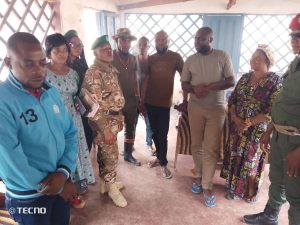
Here is Maniema Province, after a meeting between Actors of the Civil Society and Commanders of Wazalendo.
We do highly regret these behavior which contradicts what they stand for and which pushes them far away from the intention to protect the local population, however we observe that the big responsibility lies on the state which does not exist in many parts of the country, leaving a very big place without the presence of the state is one among the factors, we also observe the failure of the current Government to respond to the basic needs of Wazalendo as they are fighting and strongly condemn various actors who criminalize the Wazalendo instead of supporting them and offering them the necessary trainings in terms of capacity building. Wazalendo remain civilians who have guns and the real solution is the withdraw of Rwandan Forces on the DRC Territory then Wazalendo will also melt down.
POSITION
We need to come close to Wazalendo, work with them in order to improve the situation of local population, train them, extend support to them and propose them other alternatives in order to cover their basic needs beyond the use of guns, intimidation and acts of violence against local population. Let us avoid the tendancy to criminalize them and instead involve them as make them work for the change they want to see.