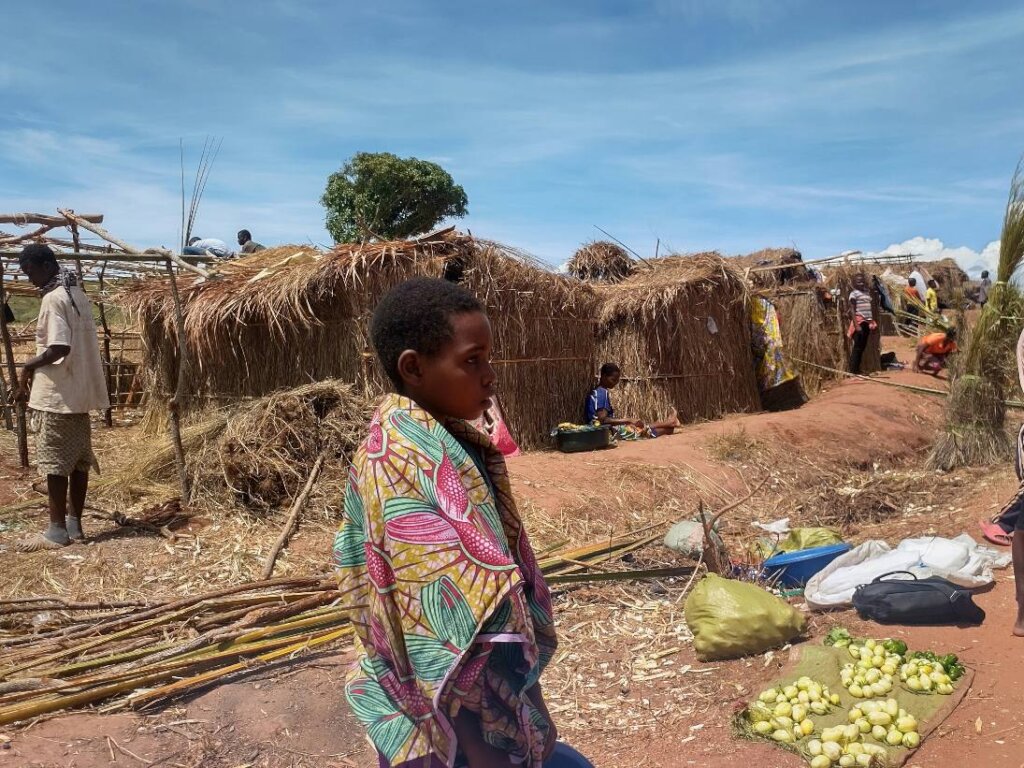
EMERY A BURUNDIAN REFUGEE IN KALEMIE TRYING TO REBUILD HIS LIFE AFTER BEING RELEASED FROM PRISON
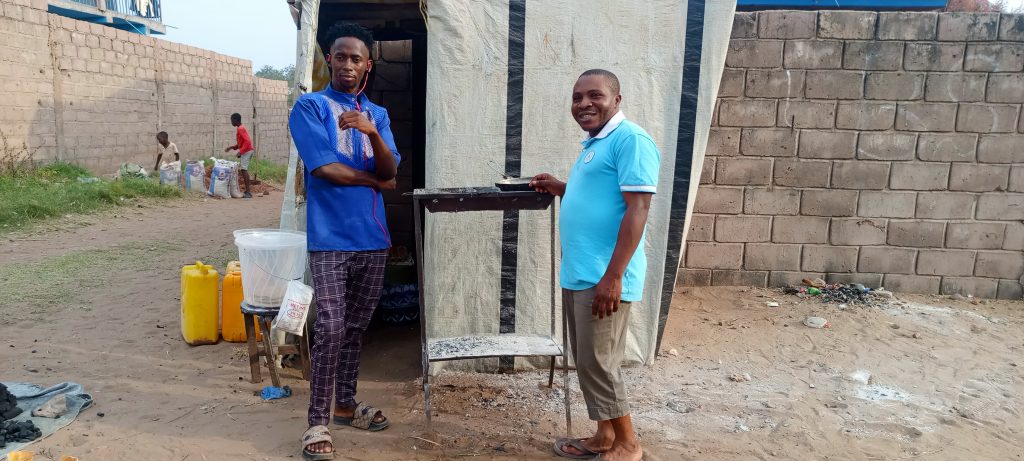
Emery, est un réfugie Burundais, âgée de 23 ans. Il est arrivé ici en RDC depuis 2024 en provenance du Burundi. Depuis cette année, il s’est installé au Sud-Kivu, en ville de Bukavu où il va travailler comme domestique jusqu’au mois de Février 2026 a cause de l’insecurite causee par les rebels de l’AFC/M23 et le Rwanda. Ce même mois il va se dirigé ici à Kalemie où il se trouve jusqu’aujourd’hui et y exerce présentement un petit commerce dont le capital reste encore très dérisoire et mérite donc un renforcement. Mais ceci n’a pas ete facile pour lui car il avait ete arrete plusieurs fois et comme il n’avait de Carte d’Electeur Congolaise, la situation a bcp changee contre lui.
Au cours de cette année 2026, quand il négociait une place où il pourrait s’installer pour fabriquer ses CHAPATI comme Activite Generatrice des Revenues pour survivre, la population locale remarque a partir de la langue qu’il n’est pas Congolais, il va se retrouvé menacé par des jeunes de la place et ces derniers avaient appelé les éléments de la Police Nationale Congolaise (PNC) et imputant la victime d’etre un élément de la rébellion de l’AFC/M23.
Cette même journée vers 11h30, la victime Emery sera arrete et acheminée au Cachot de la Police Nationale Congolaise (PNC) en face de l’Hôpital General de Reference (HGR) de KALEMIE avant d’être libéré sans condition grâce à notre intervention, ceci est arrive quand nous avions ete alerte a propos d’un refugie Burundais qui ete arrete.
Un matin vers 8h du matin, juste à notre arrivée au Bureau, nous avions vu deux filles (Réfugiées) de nationalité Burundaise aussi, conduites par un jeune garçon Congolais. Ce dernier nous présenta ces deux filles et dit à ces filles ” Voilà la personne qu’on vous a parlé ” Les filles nous avaient directement expliqué de l’arrestation de Mr Emery. Choqué de cet acte, j’étais directement parti-là ou était Arrêté la victime et en y arrivant nous avions commencé les négociations pour sa libération. Bien que ce n’était pas facile mais nous avions réussi à lui faire libéré sans condition. Et aujourd’hui il est dans la communauté et vaque librement comme tant d’autres personnes.
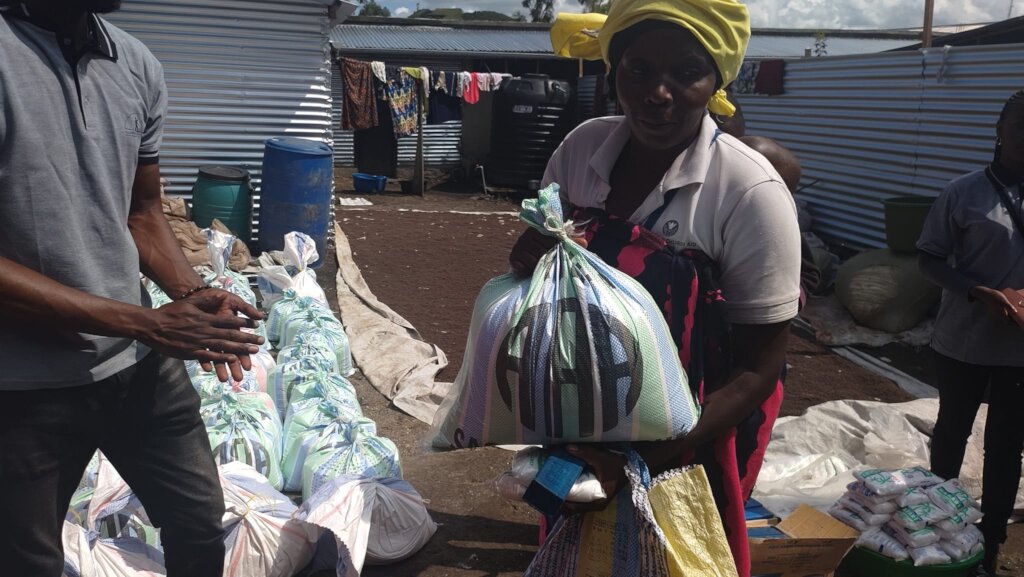
Dans le cadre de son autonomisation, notre équipe à Kalemie lui a encouragé à se battre même si c’est difficile, Emery a tout simplement besoin de 300$ pour bien faire son activité car Kalemie présente des opportunités, il connait déjà ce qu’il doit faire, il manque seulement l’argent, mais il a déjà commencé avec un petit montant.
Les refugies vivent dans une situation difficile
Ce cas n’est pas isole et ne sera pas le seul car plusieurs refugies Rwandais et Burundais en RDC vivent des moments très difficiles et leurs sécurité n’est pas souvent garantie. Alors que ces refugies devraient bénéficier du soutien de la population locale, c’est cette population même qui les accuse d’être des espions du Rwanda. Ce qui rend la tâche très difficile est que la population locale ne connait pas ce que signifie un refugie et il existe peu d’initiatives en place pour donner les informations à la population.
Nous avons intervenus dans plusieurs des refugies Burundais dans des telles situations difficile et nous continuons à le faire, en même temps nous organisons des campagnes de sensibilisation de la population et des sessions d’information pour les agents publique, mais nous sommes bloqué souvent par manque de moyen financier pour mener nos activités.
Dans la ville de Kalemie, nous avons même des demandeurs d’asile Burundais qui n’ont pas encore eu la change de se déclarer comme refugie et ils vivent difficilement.
Nous sommes très déterminer à lutter pour la protection de tous les refugies en République Démocratique du Congo, et nous vous demandons humblement à soutenir notre cause noble.
FDRL and their dependents in the Democratic Republic of Congo are refugees
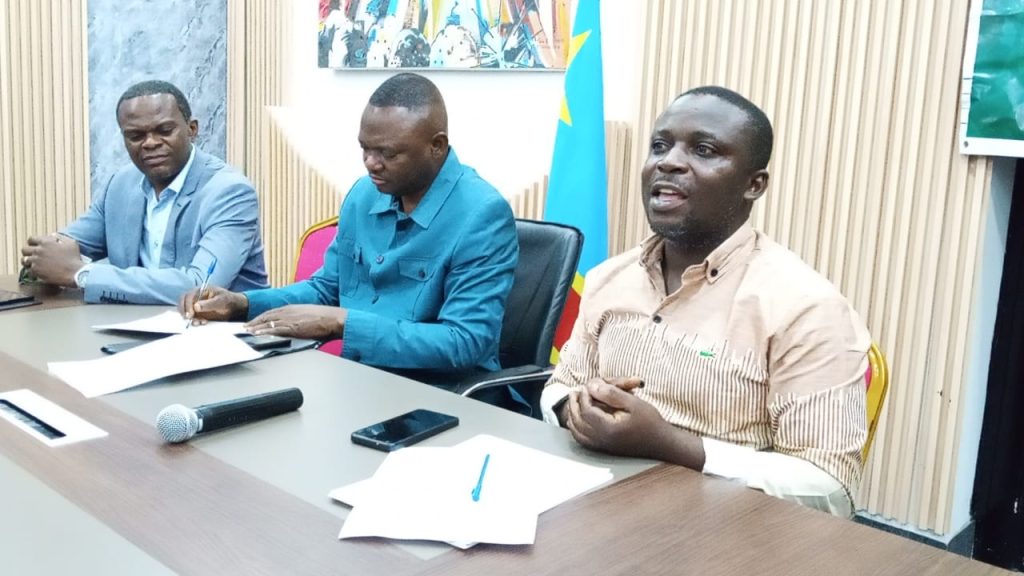
This is the basis of our advicacy sessions, please find more here https://cojeskidrcongo.org/report-on-our-one-day-workshop-on-the-problematic-of-fdr-armed-group-in-the-democratic-republic-of-congo/ :
Engaging Rwandan Refugee Collunity Leaders in Kinshasa on the current issues around the neutralization of FDLR fighters, and why should refugees be worried. Please find more here in this link: https://cojeskidrcongo.org/neutralization-of-fdlr-rwandan-refugees-in-drc-feel-they-are-also-targeted/
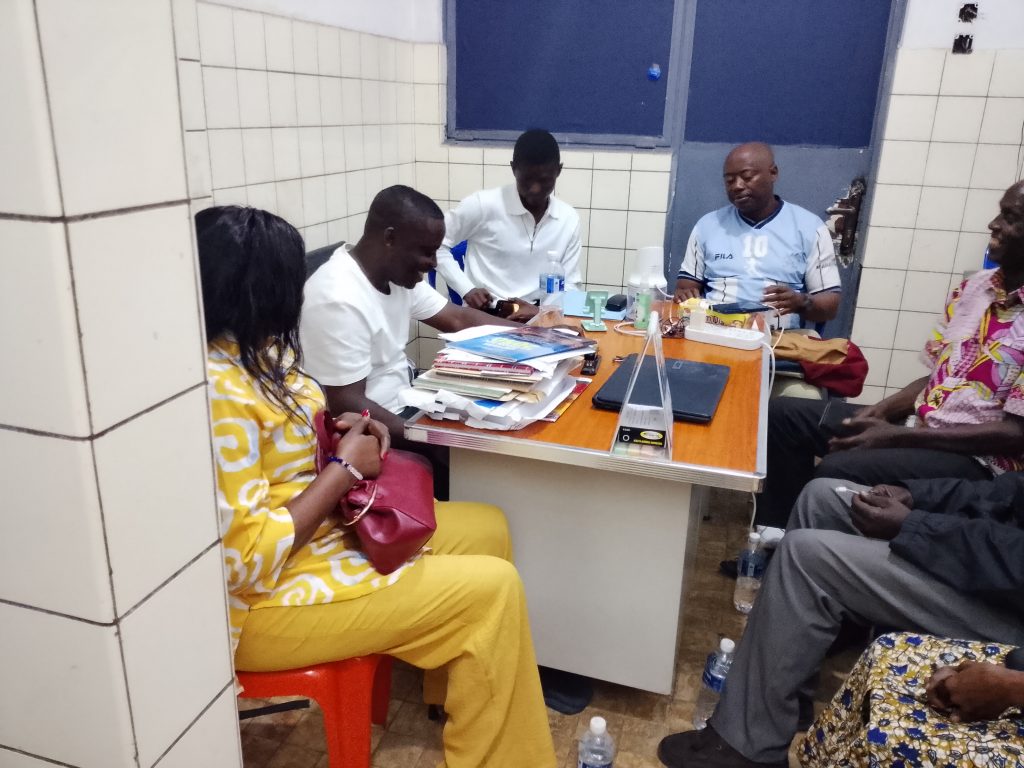
Rwandan refugee leaders representing all the age groups and gender who attended our consulation meeting.
Legal support to refugees and asylum seekers in the Democratic Republic of CongoR
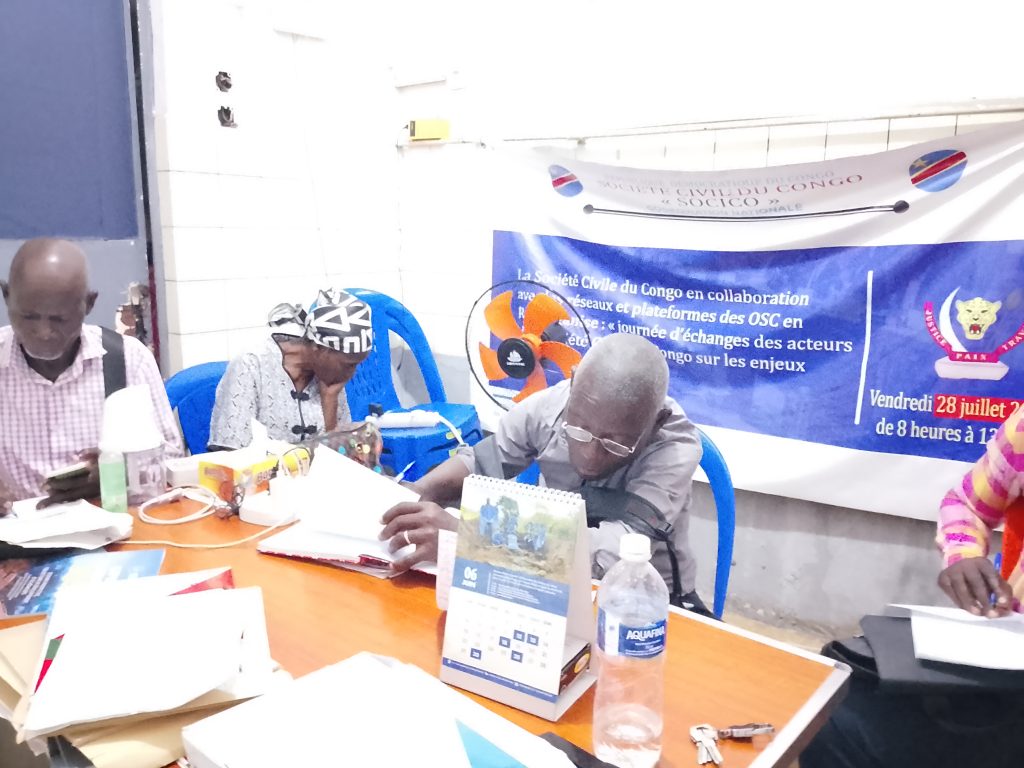
Some refugees writting down their testimonies at our offices which we shall use in order to help them make an appeal
On Tuesday August 4th, 2026 we launched officially our activities focusing on legal aid to refugees and asylum seekers in Kinshasa the Democratic Republic of Congo. We received 8 cases of asylum seekers who want us to help them to make appeals against the decision to deny them refugee status, one Court Case where a refugee was wrongly accused and one case which needs arbitration.
On top of that we received a delegation of Refugees from Angola who are complaining that in 2013 a refugee status secession clause was imposed on them but many did not get the promised solutions, they are in three categories: The first category are those who accepted to be repatriated back to Angola but some were taken others were left here in DRC without a document, the second category is for those who accepted to be granted Angola Identity Cards and other documents in order to stay here in DRC, some were given while others were not given and those who missed are staying here without document, then the last are those who refused to go and they were promised a durable solution of resettlement but they are still here and nothing was done for them.
We also received two cases of refugees who have stayed in DRC more than 10 years waiting for the refugee status, and two cases of South Sudanese refugees who want to be reunified with their mother who is also a refugee here in Kinshasa but they have failed.
Engaging the refugee regime in Kinshasa
As usual our communication with actors within UNHCR and CNR was not kind as they think we are posing a competition, they blamed refugees for coming to us, indicated that they a system in place which refugees can use, but indicated that some refugees and asylum seekers are not easy to trace anymore.
We object all these fake excuses as refugees produced to us all the various letters they have been told to write but in vain. We are planning for a meeting in order to exchange with the refugee regime and advocate for better management of refugee cases.
Capacity building of refugee leaders in the Democratic Republic of Congo
In order to increase the protection space to refugees in the Democratic Republic of Congo we need to help refugee community leaders to be knowledgeable on various issues, this will help to become actors of change in their respective communities. Find more about our training focusing on refugee leaders in Kinshasa “https://cojeskidrcongo.org/brief-report-on-refugee-leaders-one-day-capacity-building-in-kinshasa-drcongo/
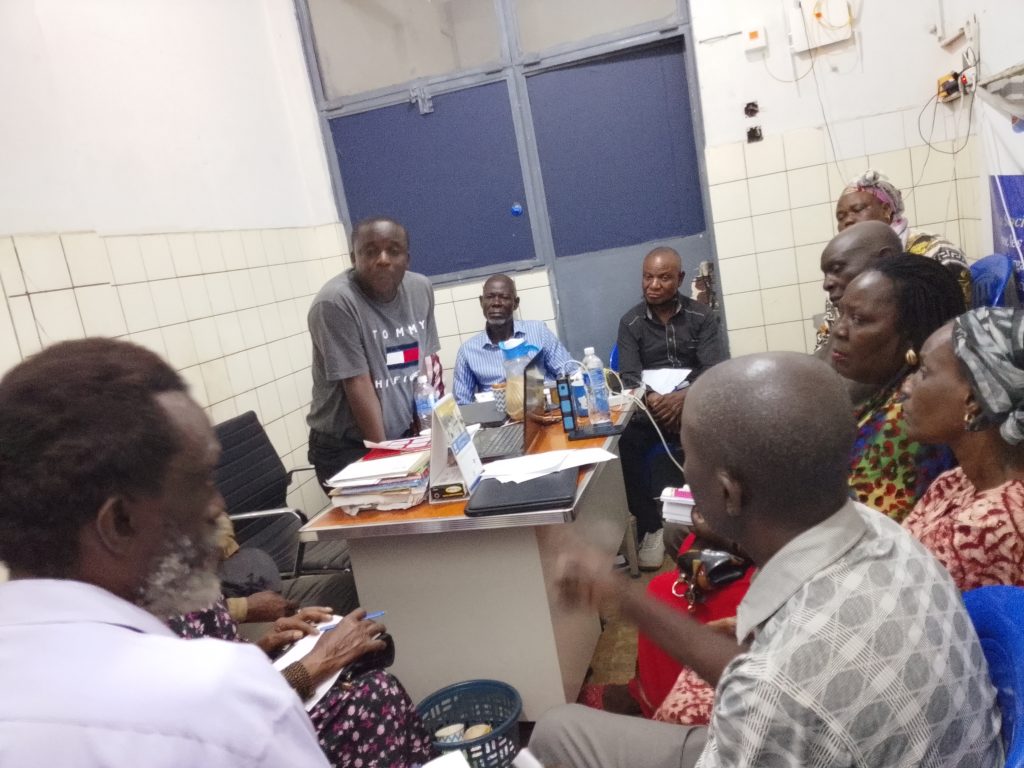
Here is our quarterly Report on different activities about refugees and IDPs in the Democratic Republic of Congo which may give you the picture how their situation looks like: https://cojeskidrcongo.org/our-quarterly-report-from-january-to-june-2026-on-the-situation-of-refugees-and-idps-in-drcongo/
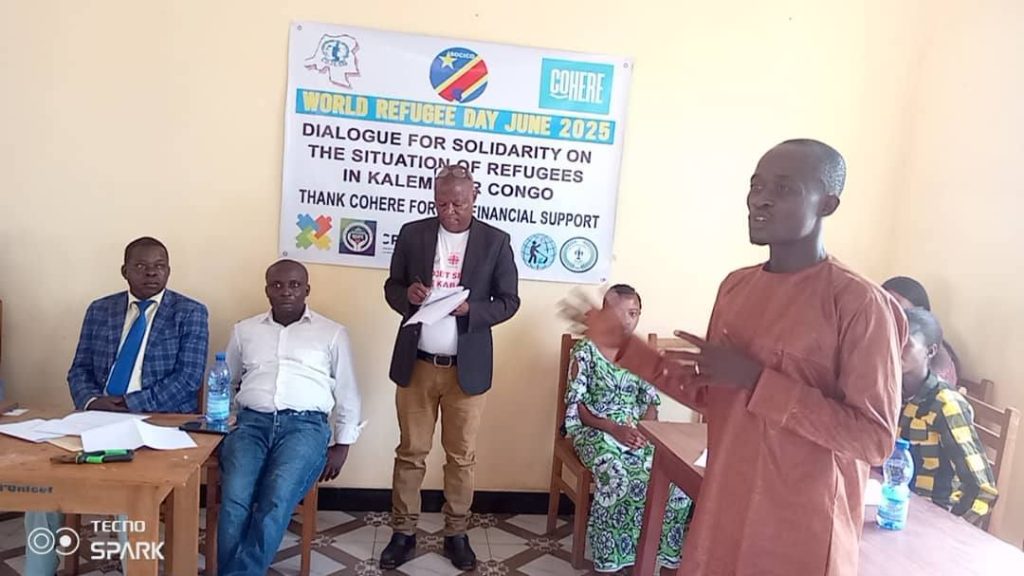
Discours des réfugiés et demandeurs d’asile urbains de Kinshasa sur la commémoration de la journée mondiale des réfugiés le 20 Juin 2025 a Kinshasa.
ü Chers Réfugiés et Demandeurs d’asiles.
Le 4 décembre 2000, l’Assemblée générale des Nations Unies a créé la Journée mondiale des réfugiés afin d’attirer l’attention sur la situation difficile des réfugiés dans le monde entier et de leur offrir soutien, encouragement et respect.
Cette journée internationale du 20 Juin dédiée aux réfugiés et dont le thème est …………. vise à commémorer la force, la persévérance, le courage et la résilience de millions de réfugiés qui, bien que déracinées et démunies, s’efforcent d’améliorer sans relâche leur vie, celle de leur famille et de leur communauté. Des milliers des personnes ont fuient les émeutes dans leurs pays à la recherche d’une protection, malheureusement nombreux sont mort par balle, malnutrition et autres. Nous vous prions de nous lever pour Une minute de silence.
Nous saisissons alors cette opportunité pour attirer l’attention des Représentants des Organismes Internationaux du système des Nation-Unies, des Ambassadeurs et Chefs de missions diplomatiques accréditées en RDC, de la CNR qui est l’œil direct du gouvernement auprès des réfugiés de prendre à cœur cette situation d’où l’afflux massif des réfugiés fuyant les zones de conflit dans les pays limitrophes pour besoin de protection.
I. Parlant de la vie des réfugies :
Le HCR et la CNR n’offrent pas aux réfugiés la possibilité de faire un go and see dans leur pays d’origine pour confirmer la sécurité et la dignité. Nombreux de ceux qui repartent sont confrontés à des situations inédites entrainant des morts (cas des réfugies Sud-Soudan, des rwandais et les disparus de plus des 360 réfugiés au Beach de Brazzaville)
Ce pays d’accueil, jusqu’alors ne dispose pas de loi sur l’intégration, et cela cause préjudice.
c. Réinstallation
Le HCR et la CNR n’ont pas de politique de réinstallation, ni de plaider pour les réfugiés en mettant en exécutions ce que disent les conventions et la pacte mondiale pour les refugies.
II. Nos recommandations :
Pour ceux qui nous lisent et nous écoute de :
Il est impératif, notamment par la réinstallation comme solutions durables de permettre aux réfugiés l’envol à reconstruire leur vie dans la dignité en tenant compte surtout aux désespérés et vulnérables réfugiés de longue date, regorgeant pourtant des talents à exprimer pour le développement.
Kinshasa le 24 Juin 2026
COMMUNIQUÉ POUR FISTIGER LES INITIATIVES DE RAPATRIEMENT FORCE DES RÉFUGIÉS CONGOLAIS AU BURUNDI ET DES RÉFUGIÉS BURUNDAIS EN RDC.
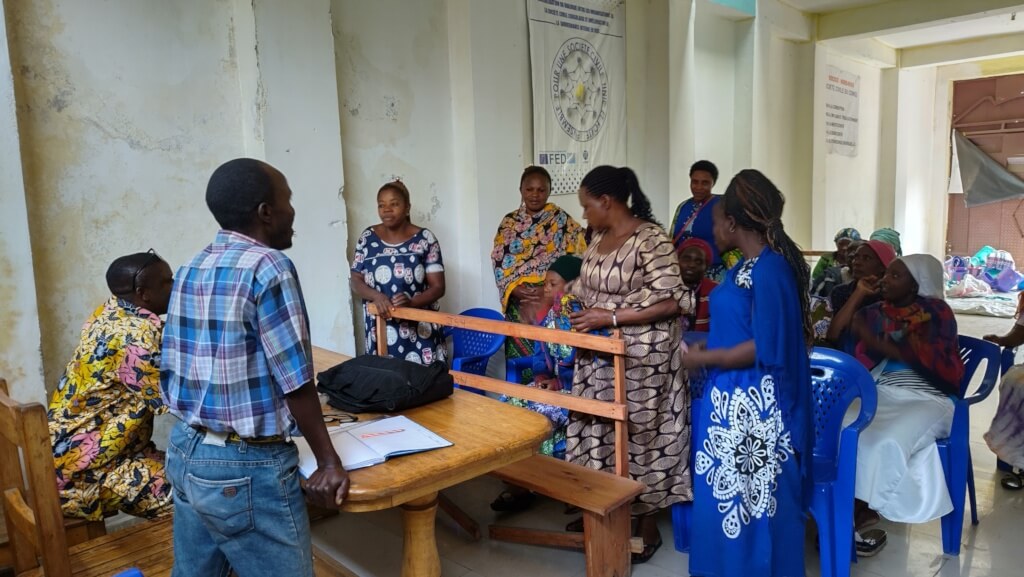
Our meeting with refugee women in Kalemie City, Tanganyika Province this year 2026 most of the from Burundi.
Nous avons appris à travers un Télégramme qui serait attribué au Vice-Premier Ministre de l’Intérieur, Sécurité, Décentralisation et affaires Coutumiers l’organisation d’une réunion Tripartite : RDC, Burundi et UNHCR sur le Rapatriement des Réfugiés se trouvant dans les deux pays. Ceci en violation de la Convention de l’Union Africaine portant sur la protection des réfugiés.
Toute en regrettant les conditions inhumaines et dégradantes dans lesquelles vivent les Réfugiés Congolais au Burundi, la RDC devrait répondre devant la justice de son incapacité à protéger sa propre population. Et tous les efforts devraient être mis en place pour finir la guerre dans le Grand Kivu par les interventions Militaires car la Diplomatie agissante a montré ses limites.
La situation sécuritaire actuelle dans les villes et dans les Territoires de Uvira, Fizi, et autres parties des Provinces du Tanganyika et du Maniema où les efforts de l’Etat Congolais sont insuffisants pour garantir la sécurité et la protection des populations civiles n’encourage pas le débat sur le retour des Réfugiés Congolais. Les violations massives des droits de l’homme au Burundi, le manque de la Démocratie, la détérioration de l’espace civique ainsi que l’incertitude sécuritaire parmi tant d’autres réalités ne permettent un retour des refugies au Burundi.
Selon certaines estimations il existerait actuellement plus de 3 millions des réfugiés Congolais au monde et la RDC devrait mettre en place une politique nationale sur le retour des Congolais partout au monde, au lieu de se focaliser sur cette petite partie.
Les réfugiés Congolais se trouvant au Burundi inclus aussi des réfugiés Burundais de 1976 et de 1990 a 1993 qui seraient enregistrés comme des congolais, et des Tutsi Rwandais de 1958 qui n’ont pas des Villages et des Terres sur le Sol Congolais et dont souvent leur présence est à la base des conflits Communautaires méritent un traitement particulier d’abord par la RDC qui devrait mettre l’ordre à l’interne.
Par ailleurs, nous sommes très préoccupés du manque d’une base de données et des statistiques fiables sur les Réfugiés en RDC. Le manque d’information sur les catégories des Réfugiés Burundais concernés par ce processus et le manque des consultations des Réfugiés Burundais à propos de leur avenir, risque de politiser la gestion des réfugiés et affecte leur accueil sur le sol Congolais.
La RDC aurait plus d’intérêt de mettre en place une réflexion et une évaluation approfondie sur les opérations des Rapatriements Forcés des Réfugiés mis en place depuis 2010 qui visent à satisfaire les appétits des Nations Unies et d’autres Acteurs de la Communauté Internationale au détriment des réfugiés et de l’Etat Congolais.
La présence d’un grand nombre des Officiers Militaires des Réfugiés que la RDC avait rapatrié dans l’AFC-M23-RDF actuellement, la présence d’un grand nombre des Réfugiés Burundais victimes des Rapatriements Forcés qui vivent sans documents dans la Ville de Kalemie et dans d’autres parties de la Province du Tanganyika nous inquiète et poserait des questions sérieuses sur notre stratégie sécuritaire, et notre système de gestion des réfugiés en RDC.
Ainsi nous réitérons notre appel et nos recommandations:
La mise en place d’une nouvelle Loi pour gérer les Réfugiés en RDC,
Mener des réformes urgentes au sein de la Commission Nationale pour les Réfugiés (CNR),
La mise place d’une Politique Nationale Congolaise pour la gestion effective des Réfugiés,
L’organisation d’une Table-Ronde Nationale sur la situation des Réfugiés en République Démocratique du Congo,
Fait à Kinshasa, Ce Dimanche 31 Mai, 2026
Kulihoshi Musikami Pecos
Animateur National du COJESKI-RDC
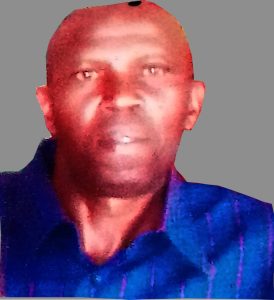
Our colleague Habomuremye Angelo, deported to Rwanda in 2021.
Stop the culture of silence, take action to ensure the protection and security of Refugee Human Rights Defenders in the Democratic Republic of Congo who are at high risk. Today we commemorate the deportation of Habomuremye Angelo to Rwanda in total indifference of UNHCR and CNR in Goma, DRCongo.
On that day of May 26th, 2021 in the morning, the Refugee Human Rights Defender Angelo left his home in the morning and went for an appointment with the AIDES officers at their offices in Goma (AIDS) was the traditional implementing partner of UNHCR for urban refugees. Angelo was called by AIDS officers to bring the school documents for his children in order to process for their school fees. He left his home around 7am and did not come back, surprisingly after three months we were informed that he was in Rwanda and his wife and children were secretly mobilized by UNHCR and CNR to join him and that operation was called Voluntary Repatriation. Later on in December 30th, 2021 another refugee leader Pastor Habimana was also deported back to Rwanda by DRC security services in collaboration with Rwanda security services.
We are coming to you today, to share with you this ugly situation faced by refugees in the Democratic Republic of Congo where Rwanda has a strong penetration in the entire refugee regime in DRC and highly influences the decisions mainly within UNHCR, and the Congolese Department of Refugees called CNR.
Dear colleagues, it is now six years (6) since our colleague known as Angelo a Rwandan Refugee Human Rights Defender disappeared from Goma, North Kivu, D.R.Congo and was later found in Rwanda. And the situation of Rwandan refugees in has continued to deteriorate in North Kivu and South Kivu Provinces which are under the control of Rwandan Army. Refugees are the main target and are facing deportation back to Rwanda every day. UNHCR has participated in these forced deportation and continue to support the deportation of Rwandan refugees.
The gaps to protect Rwandan Refugees in DRC
Rwandan refugees who are high risks are Hutus and yet we observed that UNHCR hires officers who are Tutsi perceived to be Rwandan Security Services Agents. This alone may not favor the impartiality and the trust in the whole process, it is also the same with the Congolese National Commission for Refugees which is managed by officers who do not attract the attention of refugees and who are perceived as working closely with Rwanda.
We strongly object the narrative about Rwandan refugees in DRCongo
We object and discourage any person who would be victim of Rwanda’s propaganda claiming that all Rwandan Hutus Refugees in DRC are genocidaires and members of FDLR. We observed that most of those who are criminalized are mere civilians’ refugees who are yearning for protection.
We strongly object the argument that Rwanda is safe for them, this narrative has exposed many to risks of their lives and many refugees in DRC have string reasons why they cannot go back to Rwanda.
We also object UNHCR narrative of repatriation claiming it is the best option for the, we clear indicate that repatriation operations in DRC are forced and should be discouraged. The Democratic Republic of Congo has better opportunities to favor the protection of refugees in the region than any other country, we propose an approach based on refugee protection.
UNHCR was fully aware of the risks faced by Angelo and so far not much was done in order to ensure that he could have been protected apart from renting for him a house in Goma in an area which is highly at risk (Ndosho) which is known as a place where Rwandan Security Services have carried various operations, where his life was at risk.
Stand up for the protection of Rwandan Refugees in DRC,
Stand up for the protection of Human Rights Defenders who are promoting refugee rights in DRC,
Stand up for reforms in DRC which should ensure the protection of refugees,
Great popular support to our Campaign for Solitary towards refugees in the Democratic Republic of Congo
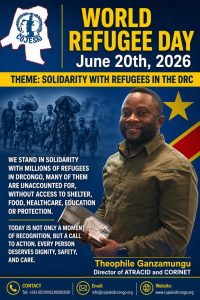
With one objective: To mitigate the presence of refugees and mobilize the host communities to participate in the refugee protection.
Background information
Not much is spoken about refugees in the Democratic Republic of Congo yet they do exist, it is rare for the United Nations High Commissioner for Refugees and the Congolese National Commissioner for Refugees to avail information to the public about refugees in DRC. Actually actors within the refugee regime claim that refugee issue in DRC is sensitive, okay what makes it sensitive and can we address it? Until when should it be left sensitive? And should we leave it like that and how does it help refugees? Others claim that refugee issues in DRC is complex, then what? Can we make it easier for other people to understand? How does this complexity contribute to the protection of refugees? Can ignorant local and host communities protect refugees?
Basing on that background we strongly believe that refugee protection is based on a strong and well informed host community where the very first protection of refugees is rooted. That is why we are engaging the entire population to know more about refugees in the Democratic Republic of Congo, what is expected from the host communities in order to advance refugee protection and create better opportunities for refugees.
The first week of our social media campaign in DRCongo
Today is the first week of our Campaign we launched on Social Media in order to engage Congolese and other people of good will about refugees in DRC. We are making posters and then share them on social media at least one each day. The intention is to help our audience to know more about refugees and then give their views.
While our Campaign has gained support, positive reactions and provoked discussions in various WhatsApp groups, we have also received messages threatening us and Congolese asking us questions what about Internally Displaced Persons, in some groups some people has called us “Rwandans” especially when we spoke for the protection of Rwandan refugees. These are anyway mere messages. The phone numbers of people who have been negative are generally those from Rwanda.
We want to now to continue the Campaign
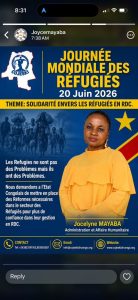
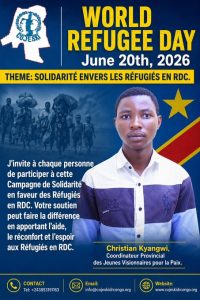
We planned to have this campaign just for one week and should involve few people who should share their messages, but we have been over whelmed by many requests from Congolese who have sent us their messages in solidarity with refugees and their Photos in order to publish them. So this Campaign will continue until all messages are done.
This is alone is a clear sign that the allegations which have been fabricated over the years that Congolese people are hostile against refugees are wrong and not accurate. This alone brings down the arguments that refugees should remain anonymous in DRC because the host communities may attack them. Now we should continue to empower the communities to improve the protection of refugees where they live together through activities such peace, conflict resolution and pacific cohabitation between refugees and host communities.
Meeting with a delegation of Rwandan Refugees
As a result of this Campaign, on Saturday May 9th, 2026 a Delegation of Rwandan refugees visited our offices in Kinshasa in order to exchange on issues their facing. They welcomed our campaign and thanked us for raising up the situation of refugees and urged us to continue the good work, and claimed that they are now convinced that they have allies in the Democratic Republic of Congo.
They also indicated to us how they live in anonymous and in secrete because they fear the regime of Rwanda may come to kill them and also fear the host communities in which they are living that they may attack Rwandan refugees because of the current war between DRC and Rwanda. This one said “The problem is that local population may not know who is a Rwandan refugees and who is a spy from Rwanda, they call of us Rwandans and in that way there are risks to be attacked by the local population here in Kinshasa”.
This other one also said “my wife is a Congolese but she does not know that I’m a refugee from Rwanda, I have lived in my area for 13 years now but no one knows that I’m a Rwandan refugee and I do not want them to know because they can attack me”.
This woman indicated to us “Now the challenge of hiding also is becoming a problem, we have children who ask us questions, we changed their names and gave them Congolese names so that others may not know they are Rwandans but now they ask questions: Where is our village? Who are our Grand-Parents and all other relatives, can we go and visit them?”
Then this other one also said “you see here in DRC the refugee status has no value, there is no reason why Rwandan refugees should yearn for it, because there are not protection measures attached to it. Actually in most cases UNHCR officers have participated in forced repatriations of Rwandan refugees, these staffs have provided information to Rwanda about refugees, and some among these UNHCR staffs are actually Rwandans who are used as spies”.
In our reactions we intended to argue and shared with them the reality that it may be difficult for Rwanda to come to Kinshasa, pick a refugee and send him or her to Kigali, and encouraged actually to share information with us and the government authorities about people they think are spies from Rwanda, in the same way share information about people they think are at risk. We shared with them how a strong community bondage can help in the protection of refugees and this what we should promote. The fear they have about local population is based on their worst experience in 1998 when again Rwanda backed rebels attacked the Capital Kinshasa, which we may not base on now, and gain this happened because the host communities were not educated so much about the difference between refugees and Rwandan Migrants or Spies. We all agreed that host communities have no clear information about refugees and should be part of our focus.
While we may not be certain if people within UNHCR and CNR who are perceived as Rwandans are Spies, we are so much preoccupied about the selection of people who are working in these institutions who may raise issues of neutrality and trust, and we are also preoccupied about the position of these institutions towards refugees’ especially Rwandan refugees. UNHCR and CNR in DRC are not institutions refugees feel free to go towards but to run away, this fades the whole mandate of protection.
Official reactions
We have not yet received any official reactions to this Campaign and it is not design for official purpose, however some Actors of the Civil Society have shown their support. In the same way the Campaign has not yet attracted the mainstream media but again more activities focusing on the media will be organized.
Conclusion
Let us help the host communities to get information about refugees and hold the host community responsible for refugee protection rather than hiding them about the presence of refugees in their communities. Let us help refugees to feel free so that they can explore their potential rather than living in fear, pretense and hiding.
Please join us and let us do this together with you.
Thanks
The global theme for World Refugee Day 2026, observed on June 20, is “Solidarity with refugees“. This theme emphasizes taking meaningful, actionable steps—beyond mere sympathy—to protect the rights, dignity, and safety of displaced people worldwide.
The global theme for World Refugee Day 2026, observed on June 20, is “Solidarity with refugees“. This theme emphasizes taking meaningful, actionable steps—beyond mere sympathy—to protect the rights, dignity, and safety of displaced people worldwide.
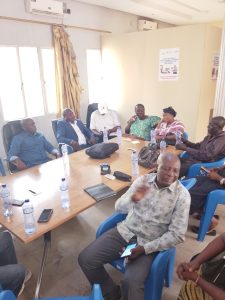
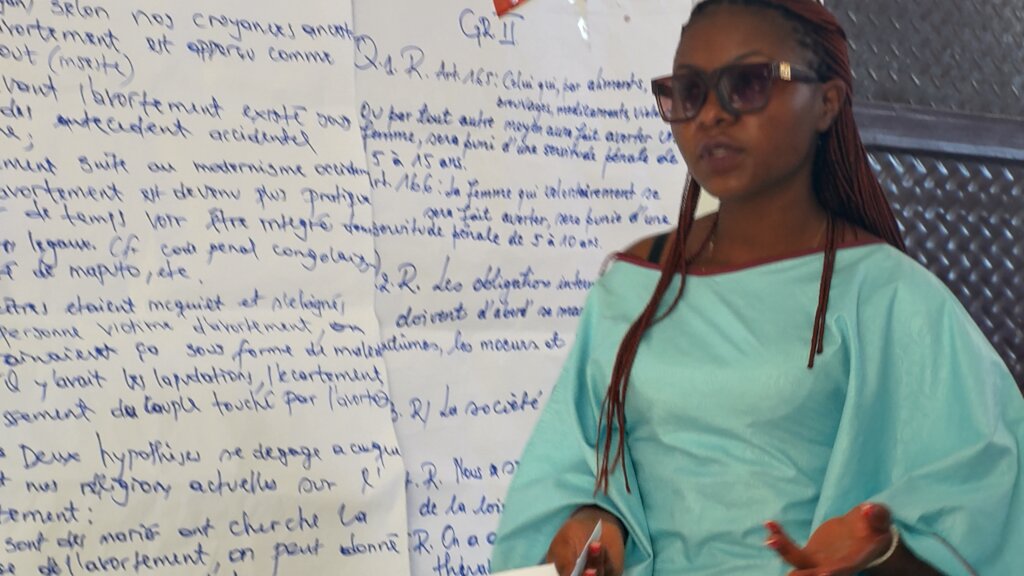
Our information session with refugee leaders in Kinshasa City in March 2026, the Democratic Republic of Congo
Participation du COJESKI-DRC à la réunion du sous-groupe de la Justice Transitionnelle à la MONUSCO, Kinshasa République Démocratique du Congo. Le COJESKI-RDC a été valablement représenté par son chargée des Relations Publiques car nous avons mis la question des Migrants Forcés l’une de notre priorité, et cette situation est aussi le focus de la Thématique Justice Transitionnelle. Cette Thématique est composée des différentes organisations de la Société Civile qui travaillent dans le domaine de la Justice Transitionnelle, ceci nous donne plus d’opportunité à bien informer les autres sur la situation des Refugies, des Personnes Déplacées Internes et autres Migrants en RDC.
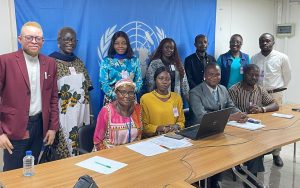
Participants a la reunion de la Justice Transitionelle au Bureau de la MONUSCO
Ce vendredi 17 avril 2026, notre structure COJESKI-RDC (Collectif des Organisations des Jeunes Solidaires du Congo- Kinshasa) a pris part à une séance de travail organisée à la MONUSCO par le sous-groupe du BTK|Justice Transitionnelle dans la salle Bravo, autour du processus de l’Examen Périodique Universel (EPU)
Cette réunion avait pour objectif de :
* Renforcer la coordination des organisations de la société civile ;
* Enregistrer officiellement les structures membres du sous-groupe ;
* Consolider la participation des OSC au processus de l’EPU.
Les échanges ont été largement centrés sur la Justice Transitionnelle en RDC, un enjeu crucial pour la paix, la vérité et la réparation des victimes.
Dans cette dynamique, des décisions concrètes ont été prises :
* Mise en place de groupes de travail ;
* Organisation prochaine de descentes auprès :
* Du Parlement ;
* Du Ministère de droits humains
Pour savoir si la RDC en est où avec la proposition de la loi sur la Justice transitionnelle,
Rappel
Nous devions aussi rappeler que même si les efforts sont en cours pour identifier les sites ou les différentes personnes ont été massacrées, même si nous avons déjà des monuments de commémoration dans plusieurs milieux, rien n’a été fait pour les refugies qui restent encore oublie et ceci nous interpelle de ne laisser personne et de lutter pour la reconnaissance de toutes les victimes en République Démocratique du Congo. Ceci est notre combat.
The Democratic Republic of Congo has a long history of hosting refugees but also the country is not known of hosting refugees, the country is known as producing refugees towards neighboring countries. However refugees are still able to be traced are those who came since 1950s up today. DRC does not have clear refugee welcome process and people do come and settle in various communities and sometimes in free spaces on their own.

The number of refugees in DRC is also unknown but we estimate refugees at about 4millions as they range from 1950 up today. Some claim to be now Congolese Citizens and it is one among the causes of ethnic wars in some parts of the country mainly in South Kivu, North Kivu, Ituri and Tchopo, others occupy land and spaces which they claim is theirs and this has created hostilities between them of host communities, some have acquired all Congolese documents and have mixed up, but what is interesting is that in each community people or members of the community are able to tell you who came as foreigners and now settled in the communities.
The presence of Rwandan Refugees in Eastern DRC who are not managed is one among the causes of conflicts between Rwanda and the Democratic Republic of Congo. We believe that a proper management of refugees in DRC will reduce the causes of conflict in the Great Lakes Region alongside with various political reforms which may favor refugees to return back to their countries of origin.
The word refugees in not so much used, what people have are words in their own tongue which means foreigners.
We believe that the solutions to refugee problematic in DRC will restore peace at 60% in Province like South Kivu, North Kivu, Ituri and Tchopo. In order to do so we are coming up with a strategy of “ Effective Refugee Protection in DRC”, this focuses on research and advocacy especially Policy Advocacy, currently we are advocating for s Law which will promote the protection of refugees in DRC since 1950 up to now.
Awareness activities among refugees and host communities in order to live together and reduce tensions especially that refugees are known, the issues of land between refugees and host communities, and the recognition of refugee settlements but also the identification of all refugees and the necessity to provide them relief aid. Then lastly we are promoting the three durable solutions: Resettlement, Local Integration and Voluntary Repatriation, however because voluntary repatriation has been highly abused in DRC, we do not focus on it as per now.
Our activities also do focus on livelihoods and economic empowerment of refugees and also the protection of their rights. Many initiatives are being put in place currently because refugees are among our priorities now.
In this way we are also focusing our activities on Congolese and other people who claim they are Congolese who are in other different countries, we should ensure that their return may not be the cause of conflict again. We are proposing a refugee status to all those who took guns and still have guns claiming they want a Congolese Citizenship. We do not need to start a war in order to become or claim for a citizenship yet through local integration we can reach to that goal.
North Kivu Province will be the Headquarters for all our refugees activities in the Democratic Republic of Congo, and still Monsignor Christophe Muzihirwa will be our Symbol for refugee Activities and the month of October will be focused on the protection of refugees in DRC, through commemorations.