Report of our one month of activities to mark the World Refugee Day on the situation of refugees in DRCongo
-
by
cojeski
- No Comments on Report of our one month of activities to mark the World Refugee Day on the situation of refugees in DRCongo
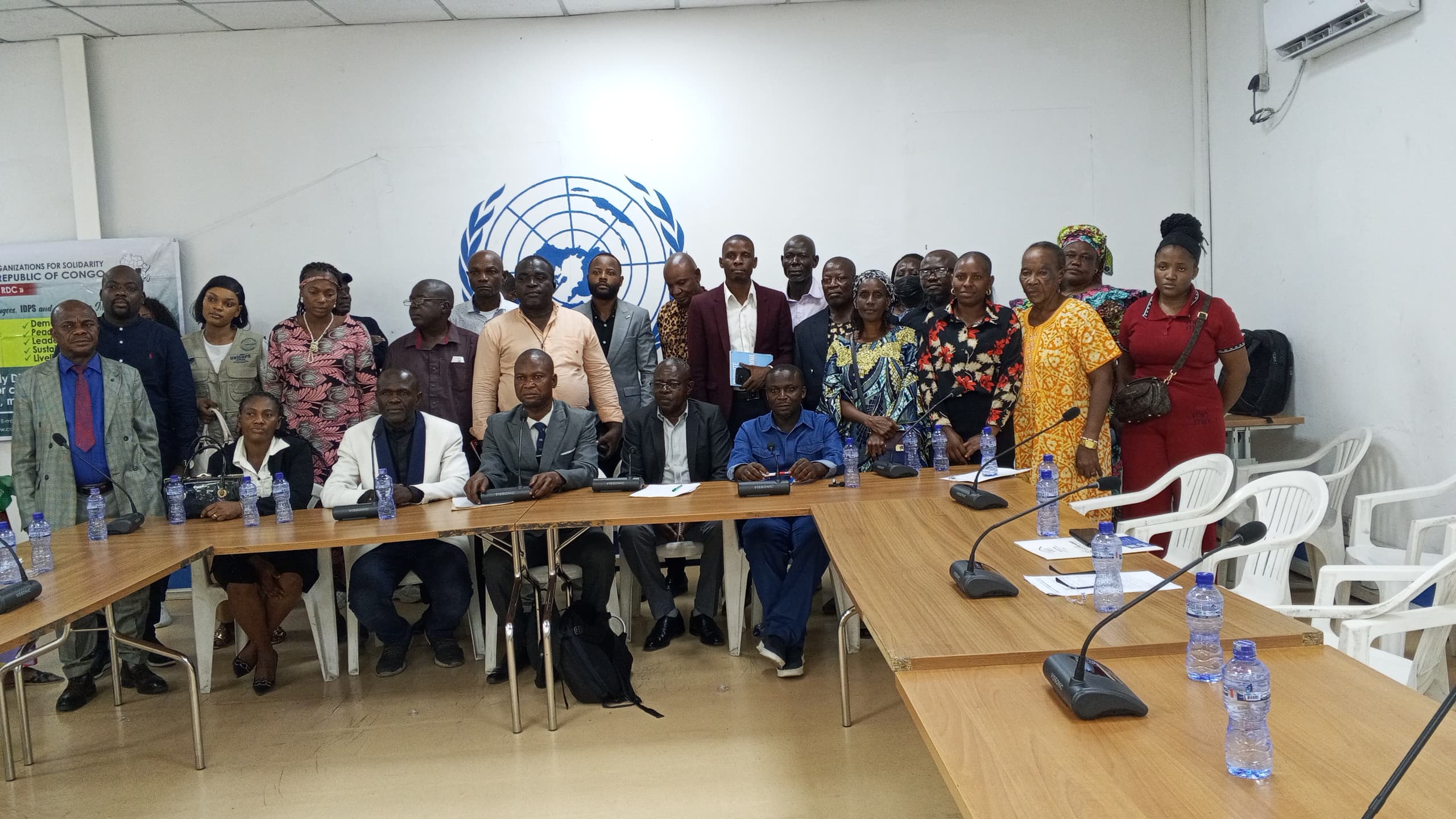
Report on Public Dialogue for the protection of refugees in the Democratic Republic of Congo as we commemorated the World Refugee Day on Wednesday June 24th, 2026 in Kinshasa, at MONUSCO Offices in Kinnshasa.
This was in partnership with Transitional Justice which is Forum of NGOs affiliated to the United Nations Human Rights Offices in Kinshasa known as BCNUDH/BTK.
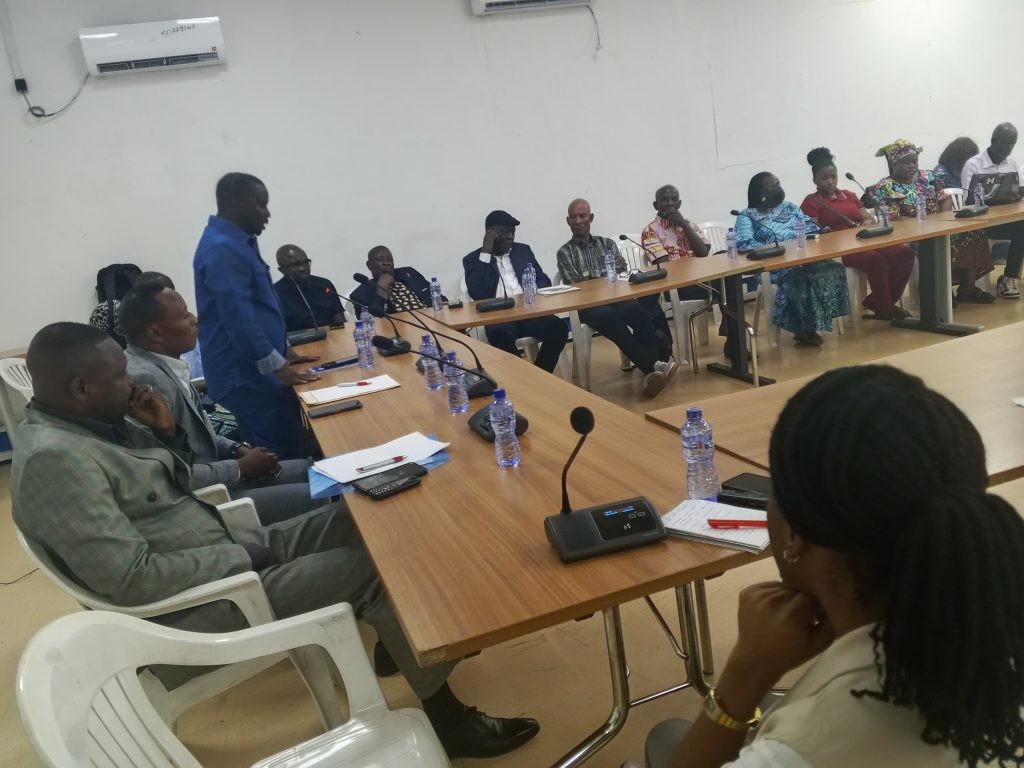
On Wednesday June 24th, 2026 representatives from refugees, the Civil Society, Government Institutions, Diplomatic Missions, the Media and Press and Humanitarian Organizations came together to commemorate the World Refugee Day, organized by the Collective of Youth Organizations for Solidarity known as “COJESKI-DRC”. The Global theme was “Solidarity with Refugees” and the theme for the day was “Promoting knowledge to combat myths, stereotypes and stigmatization of refugees in DRC”.
Objectives
To create awareness about refugees rights in the Democratic Republic of Congo,
To bust the myths, stereotypes and stigmatization of refugees in DRC,
To bring together strategic partners in order to reflect on the situation of refugees,
Activities before June 24th
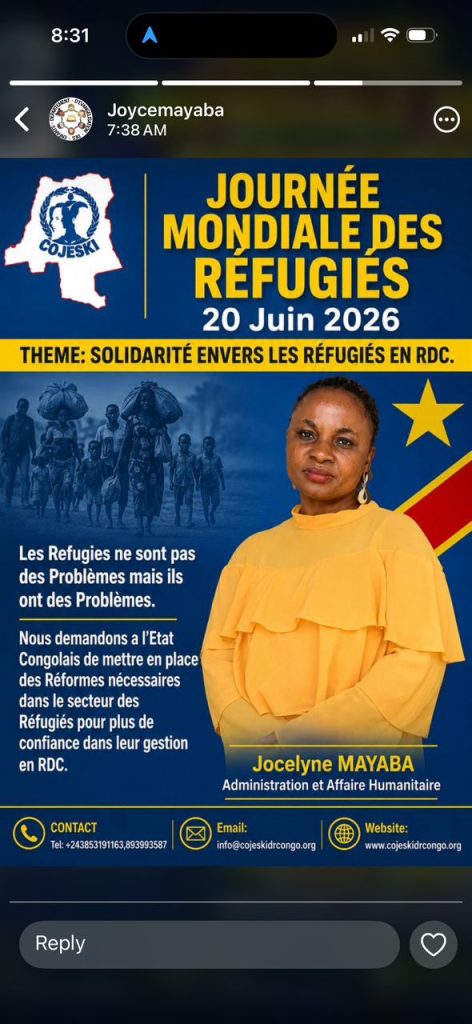
COJESKI-DRC started the World Refugee month in May 2026 by consulting refugees on issues they would like to be addressed. In total four (4) meetings were held which saw the participation of 46 Refugee Community Leaders in Kinshasa among them women, men and young people. It was observed that refugee hosting communities do not know much about refugees and the general public remains ignorant about refugees in DRC. We opted to develop social media Campaign with key messages to the public about refugees, in total 21 persons participated in this campaign by sharing with us their picture, name and their key message. Then a poster was made by a team and every day for a period of one month we had one poster being shared in Social Media mainly Facebook, WhatsApp and our other social media plat-forms. These posters generated various reactions from people and in some cases raised debates, making it achieve our objectives to provoke discussions on the situation of refugees in DRC. We believe that more than 30,000 people managed to read our various posters in 71 WhatsApp Groups.
On a positive note also other organizations picked interest in this social media Campaign and in total 7 organizations also developed posters about refugees and posted them in different social media plate-forms mainly Facebook and WhatsApp.
Interviews with Media
Also three media groups were attracted by this campaign and held interviews with us in order to reach a wider audience.
Refugee Capacity Building
We conducted one day training of refugee community leaders about durable solutions and this saw the participation of 38 among them 25 refugees and 13 members of the Civil Society based in Kinshasa. Capacity building remains one among our key priorities to refugees in the Democratic Republic of Congo.
Stakeholders Engagement on Wednesday June 2026
Our World Refugee Month had stakeholders Public Dialogue as the climax of a whole month of activities. Invitations were sent to government institutions, the United Nations Agencies, the Diplomatic Missions, International Organizations, and Actors of the Civil Society, the Media and Refugees.
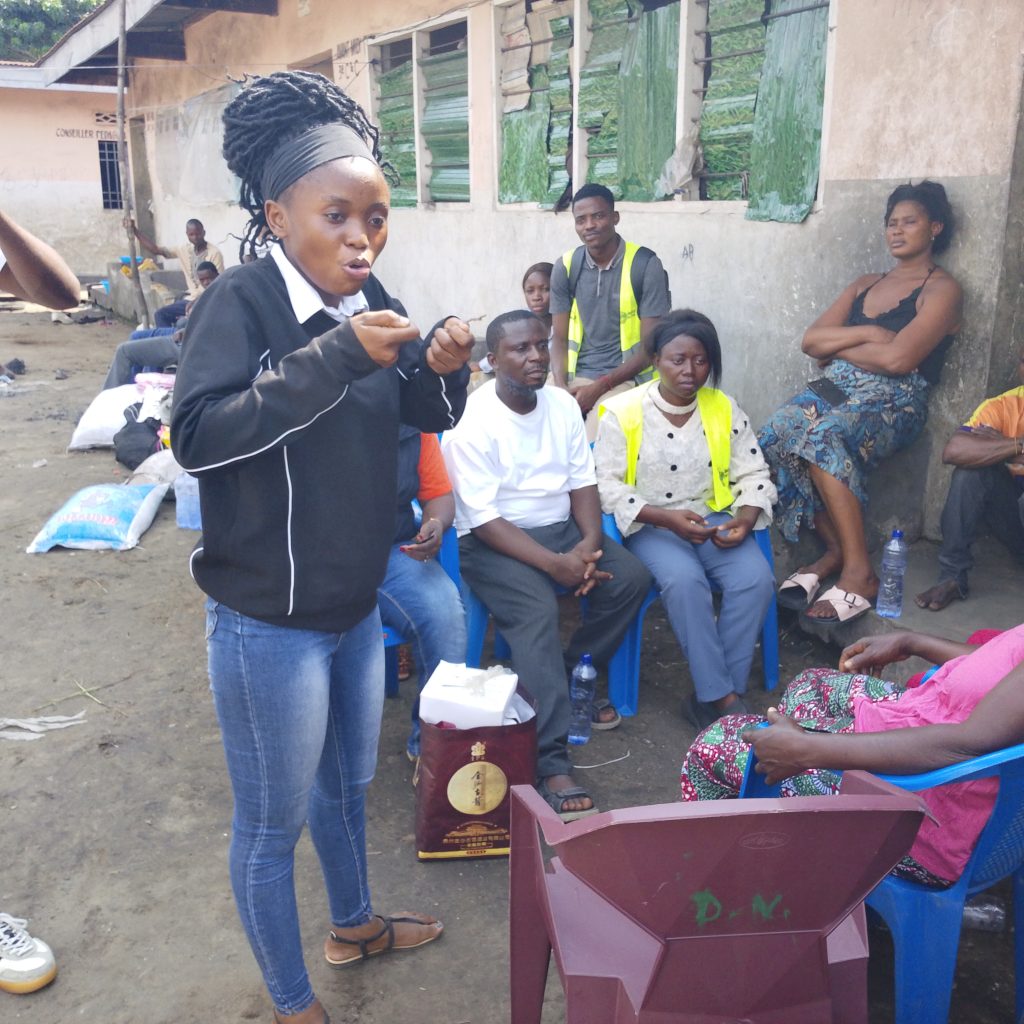
Before the day two meetings were held with refugee community leaders in order to prepare their interventions in the dialogue. In total 25 refugee community leaders participated among them one who was suggested as co-moderator and who had a privilege to be in front of a wider audience for the first time, the meetings also developed the refugee speech and appointed a person to read the speech, which made refugee fully participants in the whole activities.
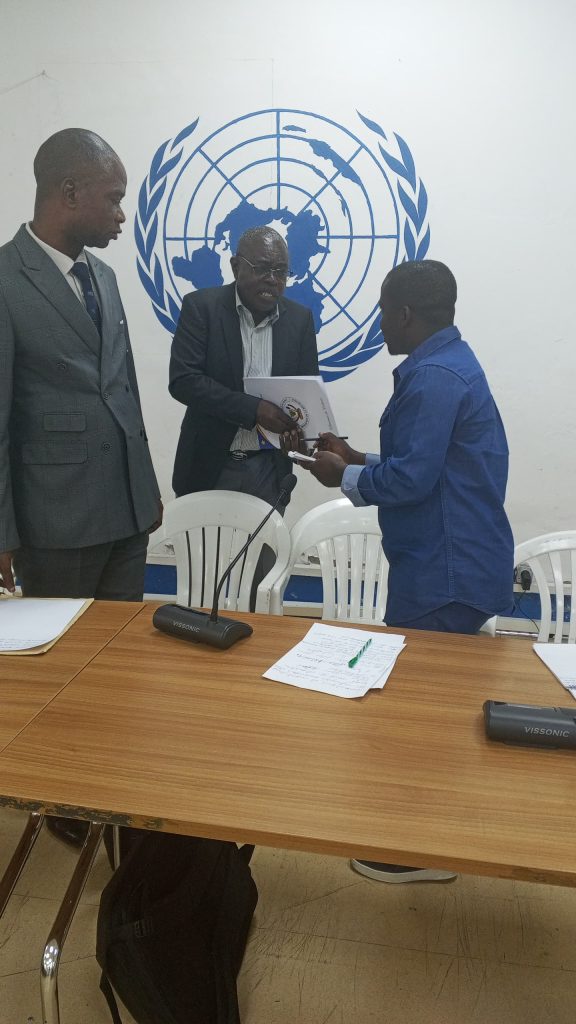
Stakeholders
Our stakeholders included:
Angola Refugees: 6
Rwandan refugees: 5
Burundian Refugees: 3
Soudan du Sud: 2
Republic of Congo Refugees: 4 and the rest were from other nationalities. The meeting observed the absence of refugees from the Centre-African Republic where were invited to attend another event.
Civil Society
The Civil Society of Congo known as SOCICO: 2 people
The Civil Society of Liberals: 2 people
Local organizations:
RFIDH, COB, RJMP, SCPC,VIDAHC,UNICOPS, CSDH-RDC,ADI-DH, VIADH,SJJT, COJESKI-DRC, VICODAHC,
Embassies
Angola and Belgium
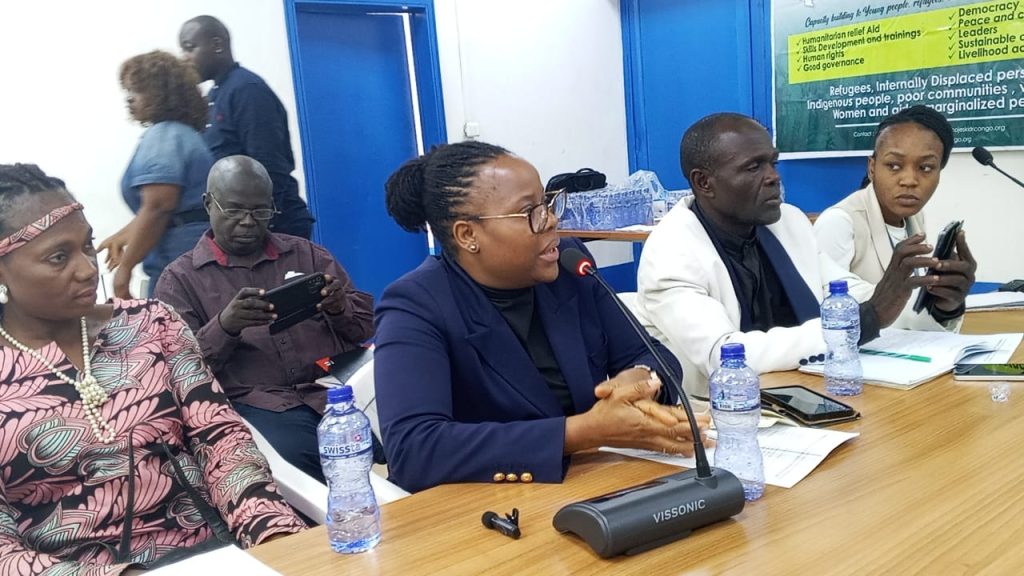
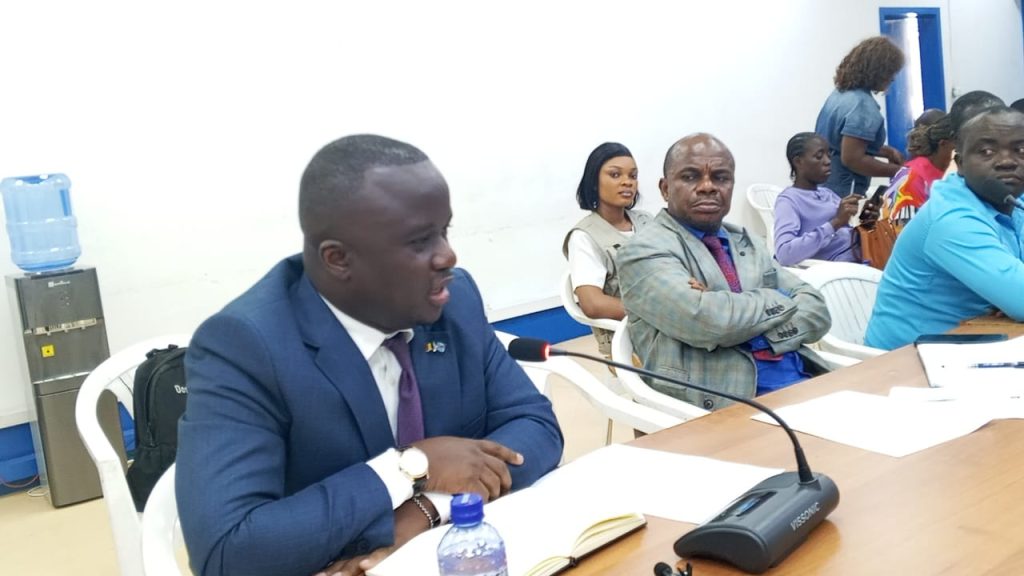
Government Institutions
The Cabinet of the President of the Democratic Republic of Congo, the National Commission for Human Rights,
Media:
National Radio and Television, Alerte RDC, Radio Okapi, Agence Congolaise de Presse,
Then other participants from the general audience who received the invitation in our social media plate-forms.
Master of the Ceremony
The event was animated by Kulihoshi Musikami Pecos who was assisted by a Refugee Community Leader from Angola as co-moderator.
Panelists
Lawyer Luc Kalala from ADI-DH who presented on the definition of who is a refugee according to 1951 Convention and to the African Union Convention, Mondo Kayanda from Transitional Justice of Network of NGOs affiliated to the United Nations human Rights offices who gave the opening remarks, and Kulihoshi Musikami Pecos from CPOJESKI-DRC who gave the overview of the refugee situation in DRC.
Introduction
The public Dialogue started at 9:40 with the National Anthem, which was followed by the presentation of the participants. After the moderator introduced the history of the World Refugee and the goals which are mainly to reflect on the situation of refugees, to evaluate the progress and praise the courage and resilience of refugees in order to rebuild their lives. Also the Moderator briefed the participants about the global theme of the World Refugee Day “Solidarity with Refugees” and also the theme of the day “Promoting knowledge to combat myths, stereotypes and stigma against refugees in DRC”.
Welcome Remarks from Mondo Kayanda
In his introduction he welcomed the participants and wished them a fruitful deliberation in order to pave a better future of refugees in DRC, he encouraged the existing of such forums which is one among innovations in DRC in this field of refugees. He called upon participants to end all forms of discrimination against refugees and mobilized refugees to be so much active on issues about their rights, to document and publish refugee rights violations and take up actions in order to inform the world about their situation. He shared his experience when he was a refugee in Centre African Republic how he active in advocacy and other campaigns to call upon stakeholders to improve the situation.
Presentation of Lawyer Luc Kalala
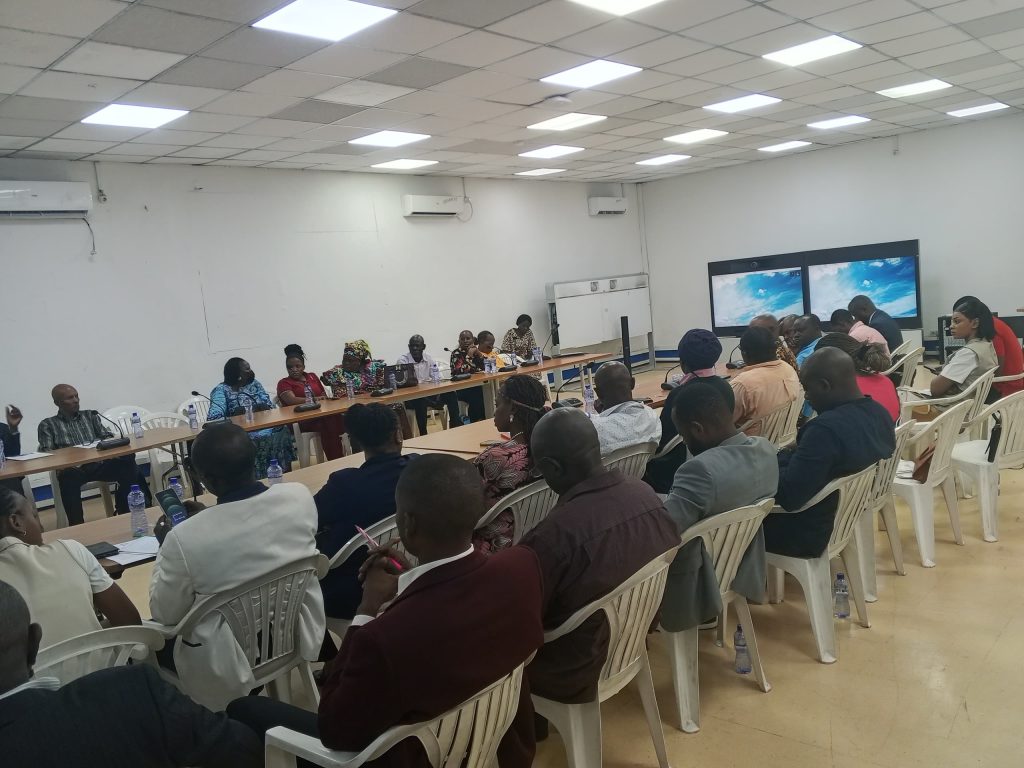
He clearly elaborated on the definition of who a refugee is in line with the Geneva Convention and the African Union Convention. The purpose of this was to remove confusion among stakeholders about who a refugee is. On ground the United Nations High Commissioner for Refugees (UNHCR) and the Congolese National Commission for Refugees (CNR) define refugees as those who have been granted a refugee status which we believe is narrow and limiting. Participants thanked the presenter for helping to know about refugees and how the definition was used in order to exclude and abuse refugees in DRC, “it is not the DRC Government that makes a person a refugee, the role of the government is to recognize and that is all”.
Speech from refugees, she started her speech by asking participants to stand up and observe one minute of silence in memory of refugees massacred, killed and those who died because they lacked relief aid in DRC.
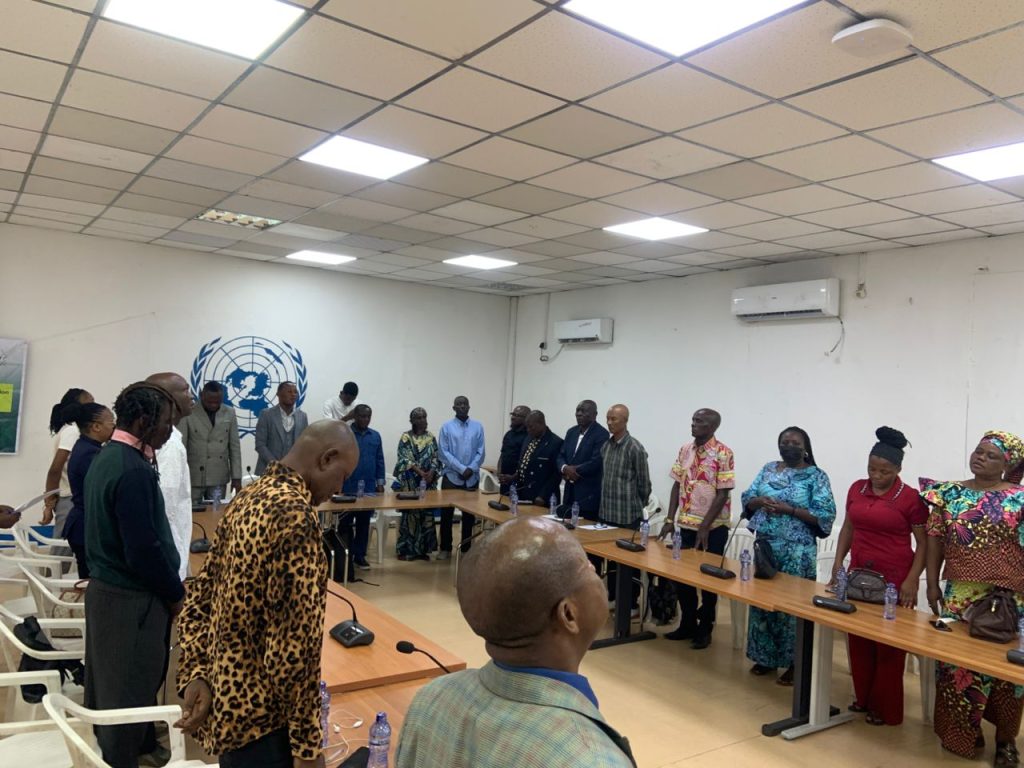
The speech for refugees was read a refugee lady from Rwanda and another refugee lady from Burundi who articulated about their problems in DRC. For more information about their speech, please open the link here bellow:
Presentations from Kulihoshi Musikami Pecos,
Kulihoshi Musikami Pecos, the National Team Leader of COJESKI-DRC presented about the work of COJESKI on refugee issues since 1994 up today. And more especially the work of COJESKI-DRC in eastern parts of DRC and here in Kinshasa. Pecos observed that the Democratic Republic of Congo is not yet in logic to ensure the protection of refugees but doing all what is possible to create a situation which will force refugees to leave the country and then such operations are baptized “voluntary repatriation”. He argued that the current refugee law was made by belligerents/ warlords does not focus on the protection but in creating pathway for the exit of refugees, he also noted that actors and institutions in charge of refugees such as CNR and UNHCR lost credibility and are highly used as political actors, highly infiltrated by countries who have interests in refugee affairs in DRC such as Rwanda, Burundi and the Republic of Congo. CNR officials were mostly appointed by warlords armed groups with no clear focus on what to do, UNHCR officers in DRC lack impartiality and neutrality. In Goma UNHCR officers pass their nights in Rwanda, among them some are perceived as Rwandans, in Kalemie some officers are Tutsi deployed to offer services to Hutu refugees, and that is also the same with CNR officers. Pecos commented that once actors are not credible it may be difficult for refugees come and seek services and this is one among the reasons why DRC has many refugees who are not yet identified, but also some of these officers are accused by refugees of violating their rights. The Democratic Republic of Congo is one among the rare countries in the world that have applied the refugee status secession clause, one with Rwanda and another one with Angola.
He noted the culture of politicizing refugees in the DRC as well in other countries in the Great Lakes Region where various wars have stated in the name of refugees, and agreements signed among states focusing on the situation of refugees which makes refugees a political deal, and lastly argued that refugees who are armed either against their country of origin or against the country of asylum should have their status revoked, especially those in armed groups in Eastern DRC currently. In his presentation he observed that the only response in place in DRC to refugee situation is repatriation and in most cases marked by refugee rights violations including forced repatriations, which in some cases UNHCR has facilitated especially for Rwandan refugees.
Pecos informed participants about millions of refugees who have not yet been identified in all the provinces of DRC, and those who have waited for more than 10 years in order to be granted a refugee status. In his presentation he contested the current refugee statistics estimated at 632, 072 people and observed that millions of other remain unmarked. He pointed out example of Burundian refugees in Uvira Territory South Kivu Province who came in 1976, but also informed that DRC hosts refugees of 1958 who are based in Minembwe and Masisi “not all Tutsi called Banyamulenge are Congolese, some are refugees, not all Hutu in Masisi are Congolese, some are refugees who are still waiting for their naturalization” and who are at the center of various wars. Cohabitation among refugees and host communities poses problems like in Ituri where the presence of refugees since 2007 who pretend to be Congolese National and who are perceived as wanting to own native’s land is one among the root-cause of the conflicts and efforts should be deployed in order to end this war by providing protection to refugees.
Pecos lastly noted that many refugees in DRC do acquire the Voter’s Cards fraudulently and others are in various armed groups, even if we need to make a difference between those who are fighting in order to protect their communities and those fighting against DRC. Thousands of refugees have no place of residence which can be called camps and are now called “urban refugees” even if they are in a village, and the consequence is that once they are called urban, they do not have the right to seek for relief aid.
QUESTIONS, ANSWERS AND RECOMMENDATIONS
Kulihoshi Musikami Pecos made clear recommendations in order to manage the situation of refugees and transition from the current situation to promoting full protection and these should include:
Reforming the Congolese National Commission for refugees by appointing new office bearers who will be trusted by refugees and who are not members of armed groups,
Organize a national conference bringing together all stakeholders in order to define a national approach which will shape the protection of refugees,
Introduce a new Refugee Bill to replace the current one which is not based on refugee protection,
To terminate the contract of UNHCR officers who are perceived as having conflicting interests with refugee countries of origin,
To create camps and settlement sites for all refugees in order to facilitate their management and humanitarian relief aid,
To identify and offer valid refugee status to all refugees in the Democratic Republic of Congo,
To mobilize the international Community in order to extend services to all refugees in DRC,
To end immediately political deals with other countries on the back of refugees such political deals aiming a repatriation and refugee secession clause, among others.
To nullify the refugee status to all those who joined various armed groups operating in eastern DRC and who are fighting against the state,
The questions were so many but also we managed to answers some because of time, we could not give opportunities to other people to ask their questions.
- Could also DRC have in place good practices which can be viewed as positive in the whole refugee protection issue?
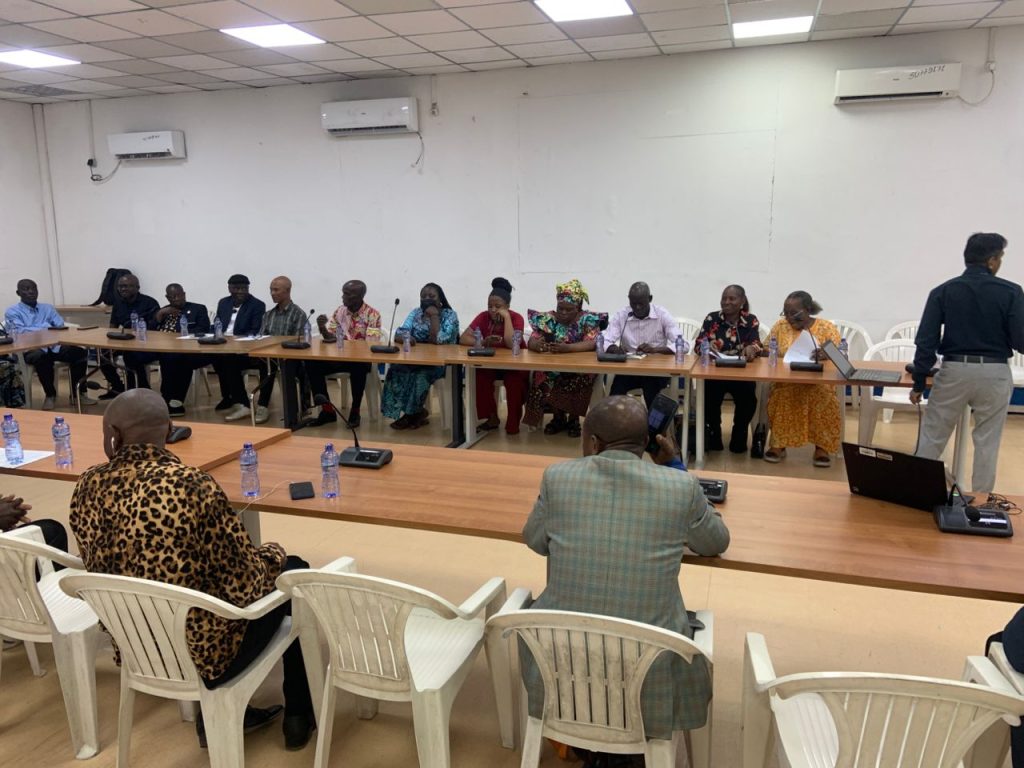
A/ Yes, actually DRC has been livelihood opportunities in the whole region which refugees can capitalize, the president Felix Tshisekedi has made various statements for the protection of refugees, in Kalemie refugees do contribute at 70% to the local food which is being produced and in case refugees were not in agriculture, Kalemie could face famine. But also Kalemie has the very first refugee market in Africa which should be capitalized, we find even refugees in mining sectors in Lualaba and others are involved in small income generating activities.
2. How is the local integration of refugees in DRC? What are your estimation of refugees in DRC? Why is UNHCR absent and the Ministry of Internal Affairs? What are your views about UNHCR which reject the idea of the Camps for refugees? And what are you doing in order to improve the current refugee policy?
A/ As said earlier DRC is not in logic of refugee protection because local integration is a pillar of refugee protection, the only things which exists is self-socio-economic integration which only favors those who can and leaves out the most vulnerable. We believe DRC could be having more than 4 million refugees who came in different episodes and who remain unknown yet they do exist. It is not about the 632,000 who they tell, it is about recognizing each person, and the Universal Declaration of Human Rights is clear on legal recognition of the status of each person. We invited UNHCR and the Minister of Internal Affairs but we are also surprised that they did not come may be they will come later, however we had engagements with UNHCR to hold one event together but later on this process they changed their minds and opted to organize also their event today, which we highly regret as it may be viewed as unnecessary competition.
Yes, UNHCR and CNR have put in place various excuses in order to run away from the obligation to ensure the protection of refugees, arguing about not encouraging refugees in camps is just a way of continuing with their game, we all know about the negative points of camps but also about the positives points and as per now the camps remain the best options to ensure the protection of refugees, but modern camps where refuges should have freedom of movement. This helps refugees to have a clear address like anyone amongst here, we have where we came from, a small village where to originated, and this should be the case for refugees in order to ensure they are safe.
We observed a positive response from the Parliament to change the current refugee law in DRC in 2014 but the debate this did not continue up to now, this is one among our advocacy focus and we have proposed already a draft which we are waiting to engage stakeholders about it.
3. Can you elaborate more on the history of COJESKI-DRC? Why are more energies being put on contesting what CNR and UNHCR are doing rather than collaboration? Refugees in Mining Sector is a design by the DRC Government or a hazard? And can you change the approach?
A/ COJESKI-DRC started in Bukavu, South Kivu Province and then later because a national plate-form, and in 1994 when millions of refugees came from Rwanda COJESKI developed an advocacy approach which focused on promoting dialogue in Rwanda in order to allow all people to go back. Yes, you are right about the approach, but we also invite you to help in find a better way we can engage with actors, for us we have tried but we have not yet succeeded, please find out, but I think the challenge is on the priorities, the refugee regime is focused on the exit of refugees yet we are advocating for the refugee protection.
Refugees in Mining sector is just a hazard and the government did not plan for it, this is the same with other issues where refugees are not planned for in this country.
4. Refugees issue in DRC is complex, how are you navigating on this and which challenges are you facing? How can we handle the conflicts between Hutu and Tutsi refugees in DRC? And how best ca we do to bring government authorities on Table?
A/ I do understand your view which similar to the refugee regime which claims refugee issue is complex in order to discourage those who want to venture in this field, we do not agree with them and that is normal. Basing on our work we have observed that it very easy to work on refugee issues in DRC as long as they trust you, so before even you start you must make a clear choice either you will be to the side of politics or to the side of refugees. The conflicts between Hutu and Tutsi refugees in DRC is just a management issue, it is possible to separate them, but also it is not only that, we have issues with impartiality of actors both in government and international organizations. About government we shall keep on engaging them in different ways, it is not only coming here in this room but may be also finding them in their offices.
5. What are proposing for refugees in armed groups? Why DRC has failed to ensure the security of refugees especially those who are wanted by their countries of origin? How best can address issues around refugee discrimination? And why there is no freedom of expression to refugees? What about refugees who have been killed in DRC? And what is being done about local integration and naturalization of refugees?
A/ The African Union Convention is clear that refugees should not take guns either against their countries of origin or against their country of asylum, those who took guns against DRC or against any other state should lose their refugee status and be asked to leave DRC. However for many years refugees have been used a combatants and nothing has been done to discourage this. DRC has failed to provide the security of refugees because of the absence of state and the infiltration through bribe, but also you find government officials in some areas who are not neuter in the conflict and who have interests and connections with political actors in the refugee country of origin. As we speak now, we observe Tutsi Government officials in areas which are habited by Hutu refugees and this causes a problem to their security. There is a need of a national Conference on the protection of refugees in DRC in order to come up with clear conclusions. The discrimination of refugees is more connected to the lack of protection approach and the deliberate move of CNR and UNHCR to deny information to the public about refugees in DRC, this has left a wider space to ignorance which is the main cause of discrimination. The freedom of movement is also related to protection approach, and because we do not that, then this comes and becomes a problem. We are working hard for a memorial of all refugees who have been massacred and killed in DRC, but we need to do it together and in August we shall join the GenoCost activities. The local integration of refugee does not exist as we said, and DRC does not have a law about naturalization of refugees, that is the challenge which we need to address.
6. We have a problem of the freezing of the freedom of expression, what should we do? How can we reduce the politicization of refugees? And how to deal with fake refugees? And why we do not have projects focusing on capacity building?
A/ The refugee regime in DRC is extremely oppressive and refugees have not opportunity to speak up, we have also faced the same problem where some amongst us have been arrested and detained, but we need to continue with advocacy. Only activities focusing on refugee awareness can help as we also advocate to states not to consider refugees as political actors. Fake refugees who are deployed by countries of origin in order to spy can be handled when there is a collaboration between refugees and security services and when refugees are sharing security alerts. Other countries have taken strong measures to deal with this, why not DRC. On capacity building, I suggest that refugees get organized and be actors of solutions in their communities rather than waiting for UNHCR and CNR who may not come, because this issue is more connected to protection which they have not yet put in place.
Concluding remarks
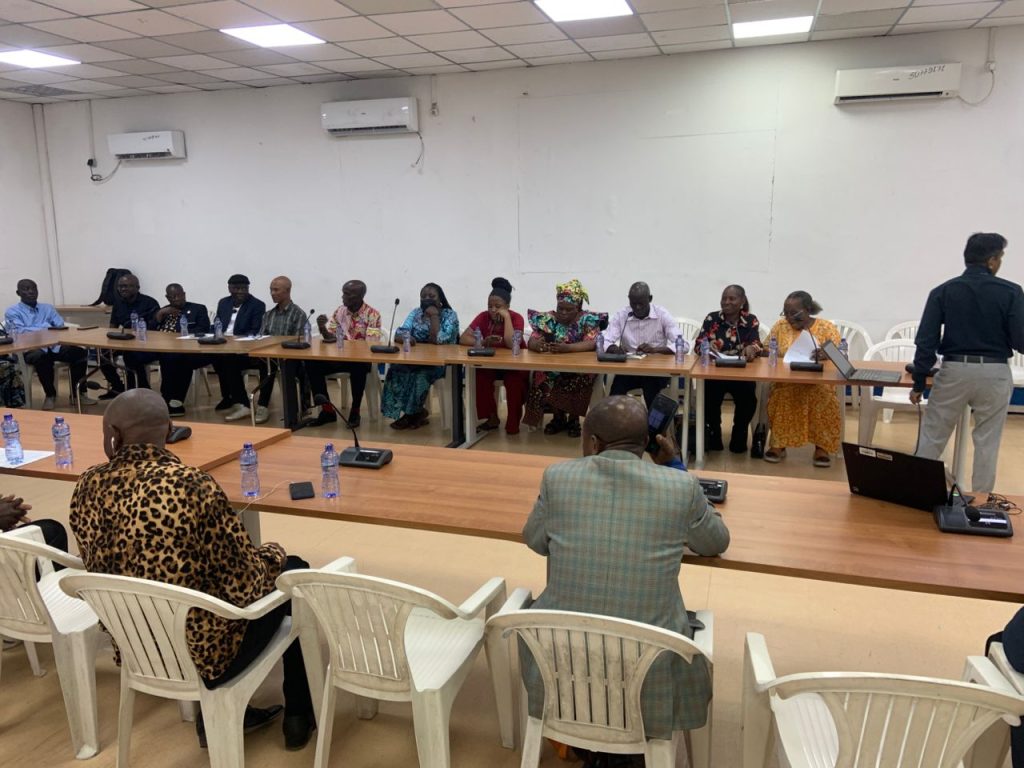
The official from DRC President Office gave his concluding remarks and called upon participants to work hard in order to improve the situation of refugees, but also helping the government to know what should be done.
We were so happy that this event attended the objectives and those who participated were fully informed about refugees and what they are going to do in order to promote refugee protection. But also the media reported what was discussed and has been published in order to reach a wider audience. It is important to note that states do not make refugees by they receive refugees, states do not ask for the refugee status to be revoked in the name of secession clause but states create better environment which may favor people to end their refugee status by themselves, and states do not make agreements and other political deals for refugee repatriations but rather they provide accurate information to refugees about the situation in their countries and states do not persecute refugees in their countries of asylum but collaborate with on national issues.
Our message reached to some strategic actors in the Democratic Republic of Congo and more engagements will follow as we are preparing another Dialogue of Refugees and FDLR abd on the Genocide of refugees in DRCongo as documented by the United Nations Mapping Report.
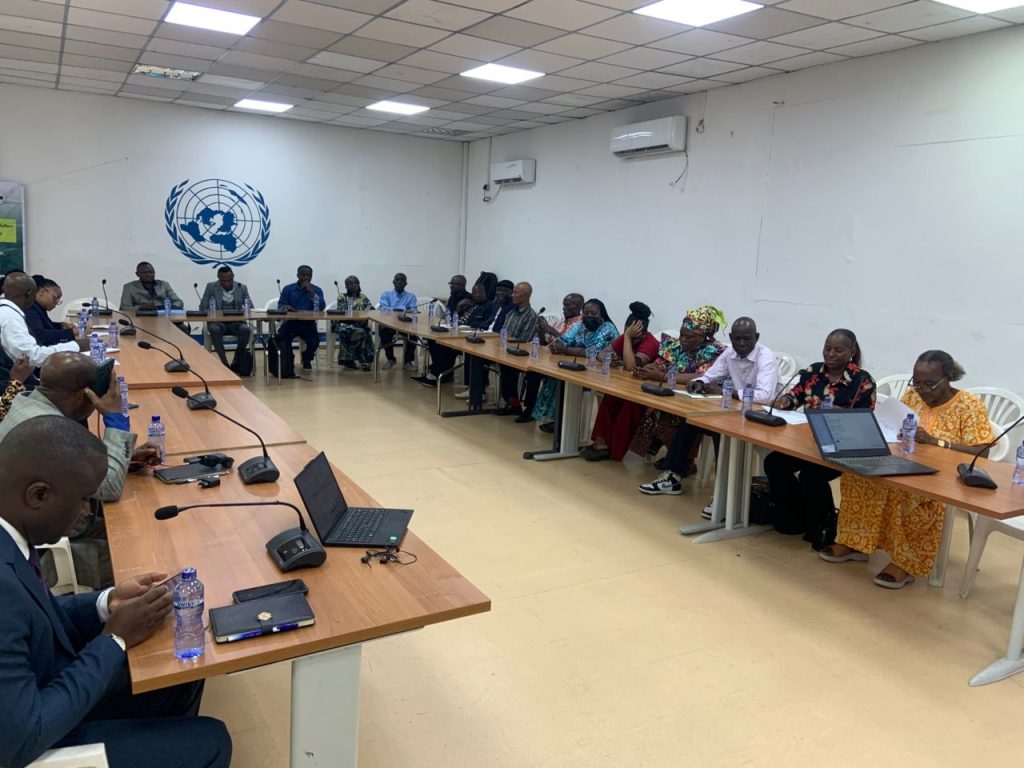
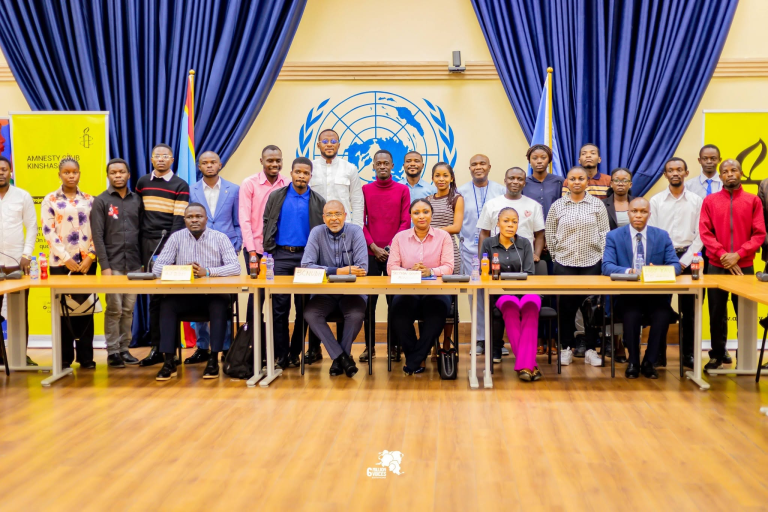
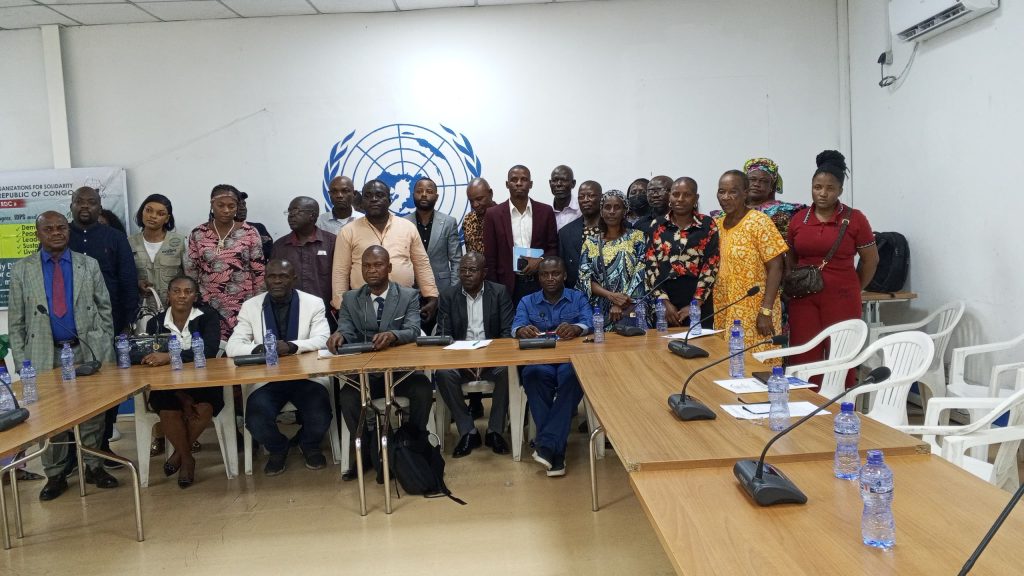
A group photo was taken and then the meeting was concluded by Kulihoshi Musikami Pecos at 1:15 pm.
Thanks
Kulihoshi Musikami Pecos
National Team Leader/ COJESKI-DRC