Our reactions to the debate about fake members of FDLR taken to Rwanda by MONUSCO and then send back to DRC by Rwanda
-
by
cojeski
- No Comments on Our reactions to the debate about fake members of FDLR taken to Rwanda by MONUSCO and then send back to DRC by Rwanda
Our reactions towards the repatriation of 39 people from Rwanda back to DRC who were believed to be members of FDLR based in DRC on July 29th by Rwandan Authorities
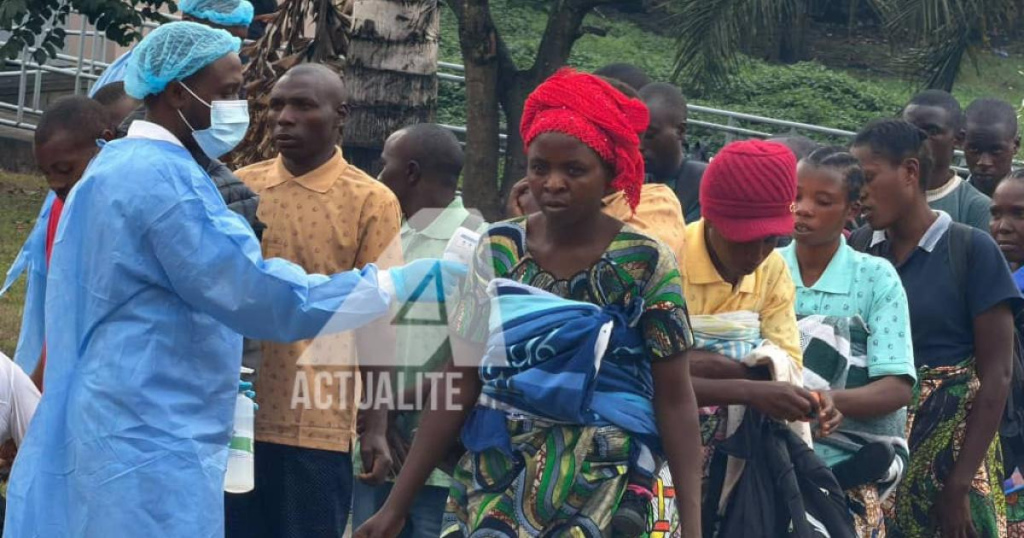
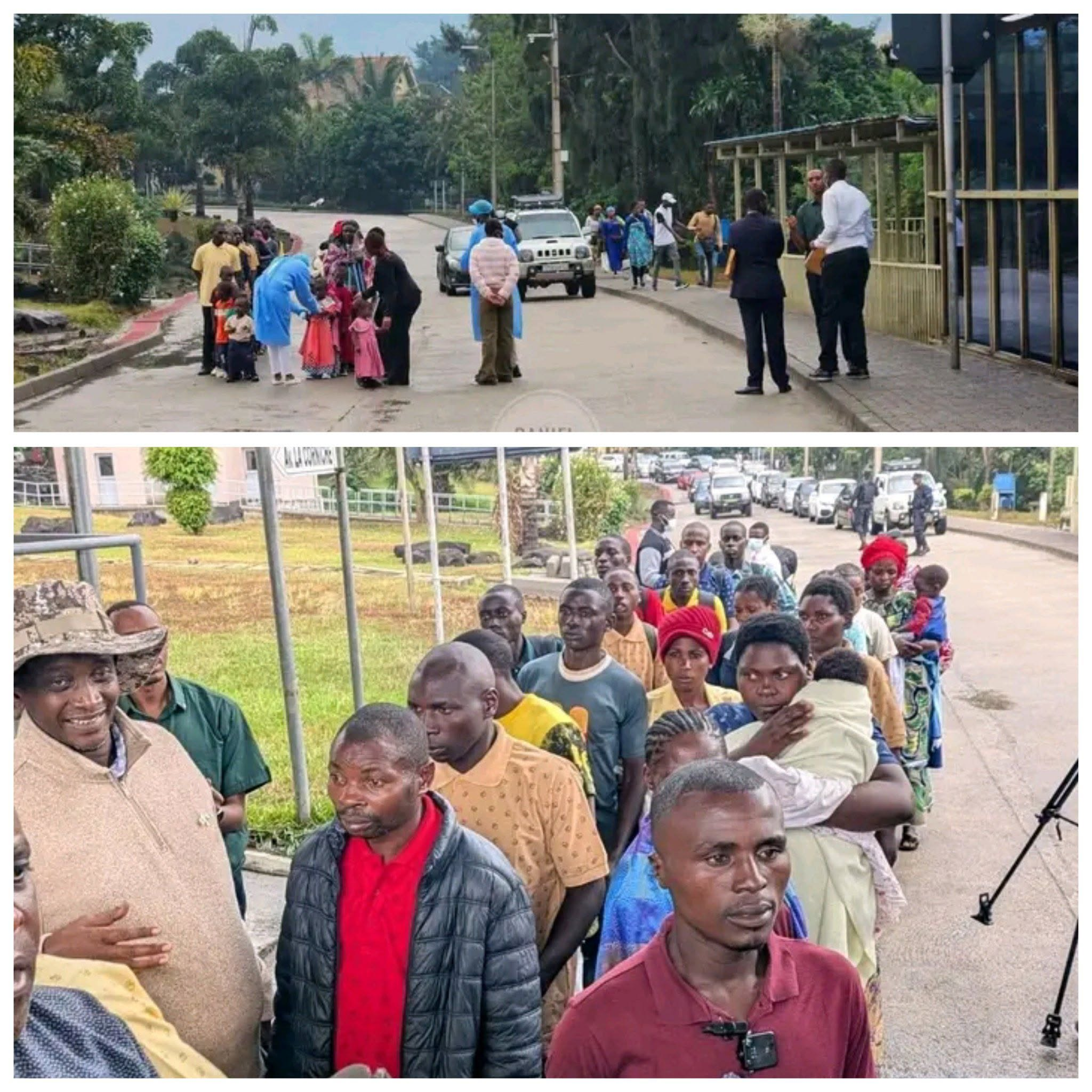
Here are some of those brought back to DRC by Rwanda, here they were at the Border between DRC and Rwanda in Goma.
Yesterday Thursday July 30th, 2026 the entire social media in DRC was circulating videos and messages of a group of people who were in Rwanda but were repatriated back to DRC on July 29th, 2026 by Rwandan Authorities on ground that they are not FDLR. In January 2026 the United Nations Mission in DRC known as MONUSCO collected these people in their villages in DRC and sent them to Rwanda under the program known as DDRRR, on ground that they were either FDLR fighters or family members of FDLR combatants in DRC. Now Rwandan Authorities claimed that after the verification, they realized that the 39 people who were taken to Rwanda were not FDLR and were not associated to FDLR.
MONUSCO claims it associated Rwandan Authorities in January when these people were taken to Rwanda, and at the same time claims it was not associated in the whole process to repatriate back these people back to DRC on 29th July 2026.
The 39 people are composed of children, women and some few men, in a video this woman said “ I was doing my business as usual in the Market in Goma, then a friend called me and told me that there is a deal being done by MONUSCO, she told that we shall get a lot money in that deal, and it was simple, we needed just to accept that we are Rwandans, then they will put us in transit center and then take us to Rwanda, when we get the money then we shall inform them that we are Congolese. At first I refused but she insisted then I accepted and went there”.
MONUSCO DDRRR Programme in DRC is in a business deal, this is not the first time such hazards have happened, in case it is so. Can we really blame Rwanda? Let us look at the dynamics around this FDLR issue in DRC.
We recorded various cases where Congolese were mobilized to accept they are Rwandans in order to get money, sometimes it is MONUSCO under DDRRR involved sometimes it is UNHCR Goma involved. What happens exactly?
Let us trace this from the origin:
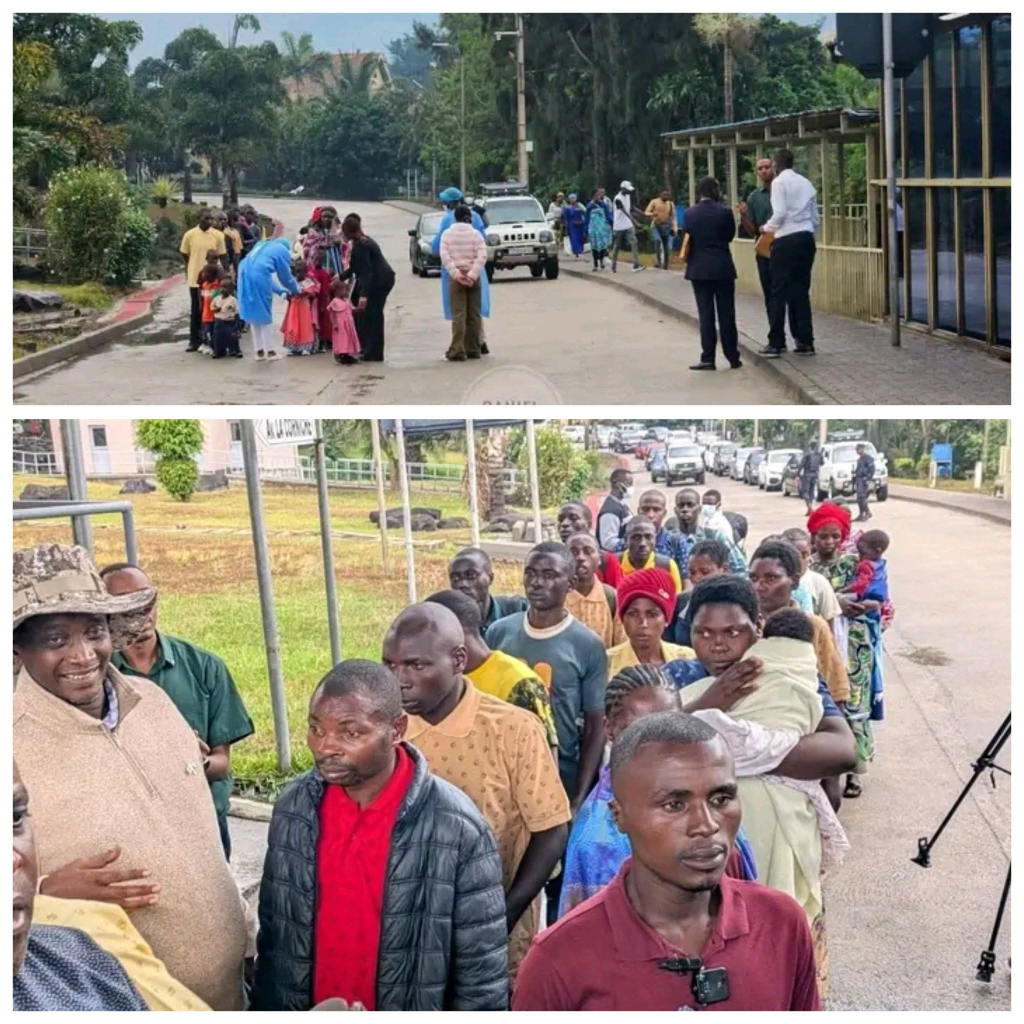
Here are those who were taken to Rwanda and then brought back to DRC, this is the border in Goma. How can we really say that these have lived in the bush for the last 30 years? MONUSCO should tell us more
UNHCR has in place the Rwandan Refugee Repatriation Activities as the main ones, and it is highly funded by the United Nations and Donors. In the process UNHCR does not care whether refugees are willing or not, in order to convince people, various actors are deployed on ground to talk to Rwandan refugees and if they fail they create fake refugees in order to get money. Generally Rwandan refugees in North Kivu who are the main target are no longer willing to go back to Rwanda, in the process money is being used and each person is promised 500$ if she/he accepts to be a Rwandan and wants to go back. At first actually true Rwandan refugees accepted this deal but later on it was abused as many claimed that the promised money was not given to them. They most targeted are people in Masisi, Rutshuru Territories and in Goma City.
After being taken to Rwanda, many came back to DRC claiming that the deal was abused and they were not given the promised funds, despite that they have stayed in transit camp for months. Generally ¾ of Rwandan refugees in North have faced forced repatriation in their life time. We saw how UNHCR collaborated very well with AFC/M23 backed by Rwanda in North Kivu to repatriate by force thousands of Rwandan refugees back to Rwanda, and UNHCR praised such Military operations because Rwandan refugees were no longer cooperative and many refused the repatriation exercise.
Similarly MONUSCO/DDRRR programs focuses on Combatants and their family members in DRC mainly from the Rwandan Liberation Democratic Forces known as “FDLR”. With Rwandan forces in Goma, Rutshuru and Masisi, the DDRRR faced challenges to get people to repatriate because generally fake members of FDLR were recruited in Masisi and taken to Rwanda before. Through her Radio Okapi Programme the DDRRR gave wrong information in order to convince people to accept the repatriation.
Some people who accept to go Rwanda are then put in transit centers in Goma and trained on what they will say once in Rwanda and to anyone who comes to visit them in the transit centers, some are attributed Military Tittles and others are coached to play roles as political actors and others as mere relatives to the fighters and then they are promised money in return.
The 39 people came from areas which are under the control of Rwanda, they were not a big deal for Rwanda.
Those who came back were from areas which are the control of Rwanda troops in DRC, which alone poses serious questions about their membership to FDLR fights who are believed to be under areas which are controlled by DRC Government. Even when we talk about FDLR we should be very careful about which group of FDLR we are referring to because FDLR has so many factions and some are highly connected and supported by Rwanda. Accepting FDLR from areas which are under her control Rwanda was to accept at the same that it was the one to defeat FDLR.
Blame games about FDLR
Early this year FDLR issued a Communique claiming that they wanted to come out from the forest but they were denied the road by Rwandan troops in Rutshuru which is under the control of Rwanda, the Democratic Republic of Congo claims that more than 90% of FDLR fighters are in zones which are under the control of Rwanda in North Kivu currently, however Rwanda claims that FDLR are in Uvira South Kivu, Walikale North Kivu and integrated in DRC’s National Army and that they should be defeated Military. Few week back FDLR issued another communique claiming they were in Masisi North Kivu which partly controlled by Rwanda.
Where can we trace FDLR in DRC currently and how many are they?
Basing on our findings as we work on refugee issues, most of those who are called FDLR are actually Rwandan Hutu refugees who should be protected in DRC. Many actors including Rwanda have put in place a belief that any Rwandan in DRC who does not want to go back to Rwanda is FDLR, yet many Rwandan refugees do not want to go back to Rwanda under the current Paul Kagame leadership. Yet a big number of Rwandan refugees are located in North Kivu and South Kivu Provinces. It is evident to observe that some Rwandan refugees took guns in order to resist against Rwandan Troops hunting them, but they are not FDLR, and generally when there is no Rwandan threat in DRC most of these refugees do go back to their normal economic activities as part of the population.
We have not yet observed the real FDLR who are perceived as threats to Rwanda despite the whole international community claiming that they do exist, and questions have remained about their whereabouts in DRC, in which villages, Territories and Provinces and how they are organized. What we know is that FDLR is in different factions which include: CNRD which is willing to mobilize all Rwandan refugees in order to go back to Rwanda, FDLR Rudi which is fighting for the security of Rwandan Refugees in DRC, and other armed groups called Wazalendo in Rutshuru and Masisi Territory backed by Rwanda.
Actually some among Hutu Armed groups in Masisi are generally created and backed by Rwanda in order to create confusion, share information and penetrate DRC security services.
However we are not saying FDLR does no longer exist, however we are saying that those who claim they exist should also share information so that we can all harmonize this issue. Even from the definition of FDLR so far we do not agree and do not speak the same language, we do not understand the concept in the same way.
The survival of DDRRR program.
The only thing which can help this programme to exist is to present cases of FDLR, and propose their repatriation to Rwanda. While in January 2026 Rwanda had interest to show that there are FDLR in DRC who are a threat to Rwanda, currently the reality has changed and Rwanda does not see FDLR as an opportunity anymore, so in January Rwanda accepted to be part of a fake deal in order to show the international community that DRC has FDLR. It is for the first time Rwandan Authorities have publically stated that people sent to Rwanda were not FDLR, the rest we observed people coming back by themselves and in total discretion.
Currently DRC is pushing for negotiations between Rwanda and FDLR in order to end the conflict, actually this scenario comes only two days after DRC announced the signing of an agreement with FDLR based in DRC which Rwanda strongly opposed and called for military options against FDLR fighters.
Can DDRRR or UNHCR provide a credible identification of Rwandans in DRC?
The United Nations Mission in DRC known as MONUSCO/DDRRR and UNHCR are highly influenced by Rwanda and have staffs who are perceived as Rwandans mainly Tutsi working as spies for Rwanda in these institutions. That alone is enough to affect the trust of Hutu Rwandan Refugees in DRC who believe a Tutsi cannot offer them good services, on top of that some humanitarian organizations are too close to Rwanda and provide in some cases wrong information to the government in Kigali about FDLR in DRC. Hutus refugees are strongly mixed up with other Hutus tribes in DRC and only a strong involvement of well trusted community members can provide credible information about who is Hutu Rwandan refugee and a Hutu Congolese National. With the military presence of Rwandan forces nobody will do that, so all Hutus call themselves Congolese.
In conclusion
FDLR from areas that are under the control of Rwanda in North Kivu are not a good deal for Rwanda and MONUSCO-DDRRR program should not focus on them, that is why they are taken back to DRC.
However we have more durable solutions to Rwandan refugees in DRC which are generally their identification and fully recognize them as refugees, put them in camps and promote for the all the three durable solutions which include: Local Integration, Resettlement to a third country and voluntary repatriation back to Rwanda.
We encourage actors to explore more these options and make reforms of the refugee regime in DRC in order to create a conducive environment for refugees to feel protected. This include the change of UNHCR and CNR Actors who are perceived as serving Rwanda.