Report of our participation to the PILNet Global Summit on the legal Protection of Refugees held in Cape Town South Africa
-
by
cojeski
- 1 Comment on Report of our participation to the PILNet Global Summit on the legal Protection of Refugees held in Cape Town South Africa
Report of COJESKI-DRC participation to the 2026 PILnet Global Forum on the legal protection of refugees held in Cape Town South Africa from 10th to 14th November 2026
The Collective of Youth Organizations for Solidarity in the Democratic Republic of Congo known as COJESKI-DRC was effectively represented by the National Team Lead Mr Kulihoshi Musikami Pecos who is a specialized in refugee rights in the Great Lakes Region of Africa.
Our participation to this Summit was the very first activity of our approach to advocate for refugees in DRC at the international level and challenge the absence of actors from DRC in international forums focusing on refugees.
We believe that involvement and concrete actions from actors at the international level can bring change in different aspects of refugee lives in the Democratic Republic of Congo,
Activities before the Summit
Through social media we first of all shared information to various stakeholders about the Summit and the necessity for DRC to be present and ensure that this country is no longer ignored on issues around refugees. After this, we also used social media mainly WhatsApp to ask both refugee leaders and Congolese generally members of various Civil Society organizations to contribute ideas on what we should focus on during the Conference, we received 39 contributions through WhatsApp which helped us to compile a document on the situation of refugees in DRC. Lastly we produced and comprehensive document which helps our audience to have the basic necessary information about refugees in DRC which we also uploaded on our website and also shared it with our audience through emails and our social media platforms.
These activities aimed at creating awareness among stakeholders about this Summit and bring the voices of refugees at international level, these activities were also part of our transparency policy which we cannot compromise, and at the same time to ensure we are accountable to our communities.
Our efforts to engage with the Congolese National Commission for Refugees known as CNR and the United Nations High Commissioner for Refugees (UNHCR) were not fruitful.
Activities during the Summit
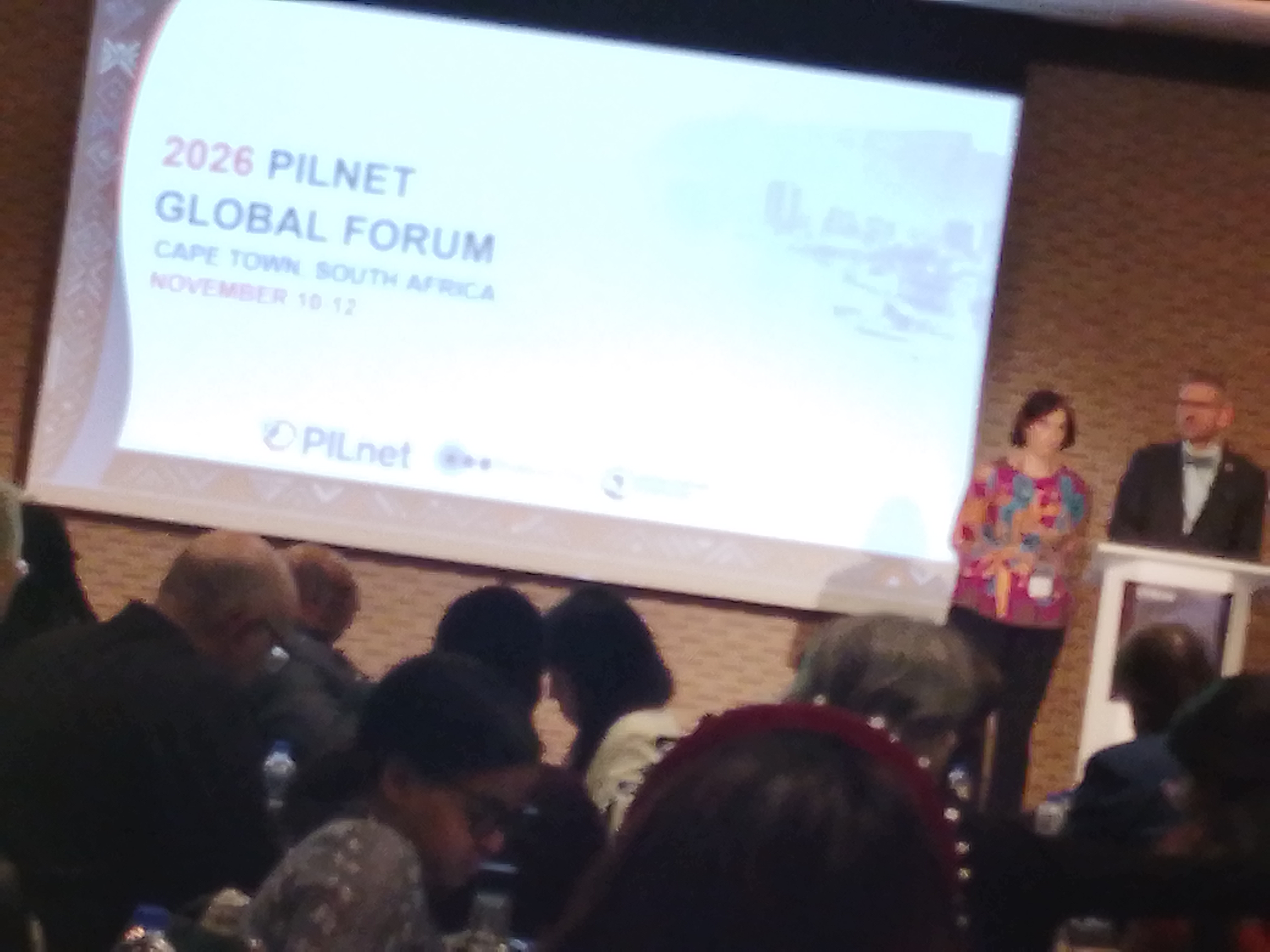
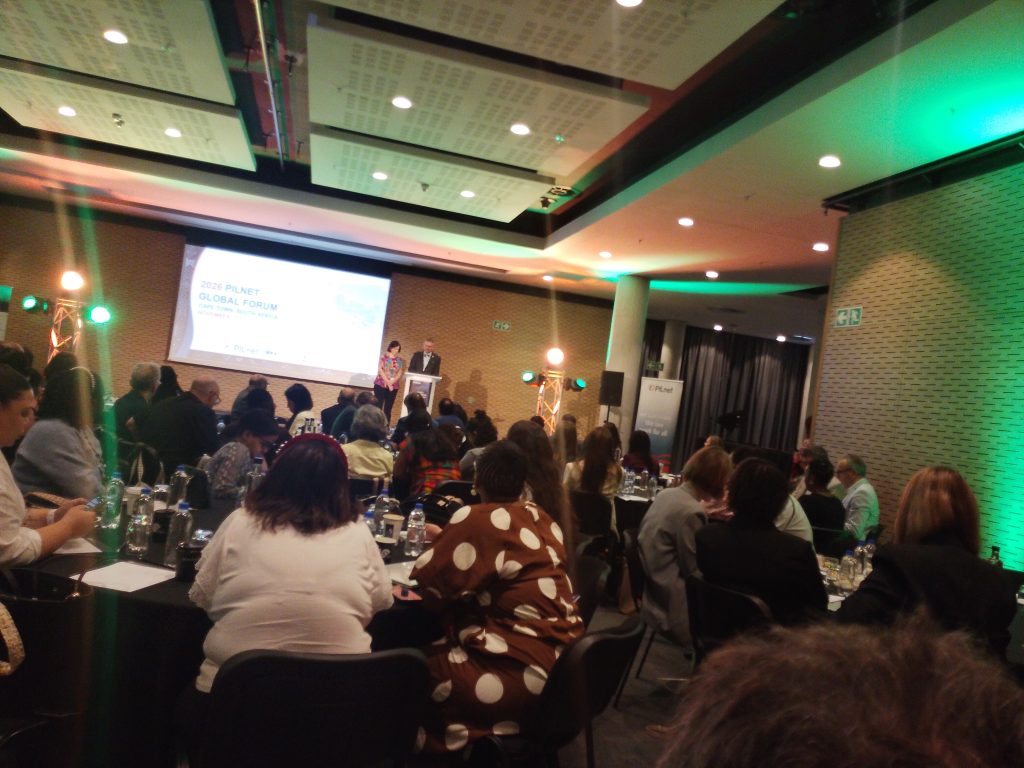
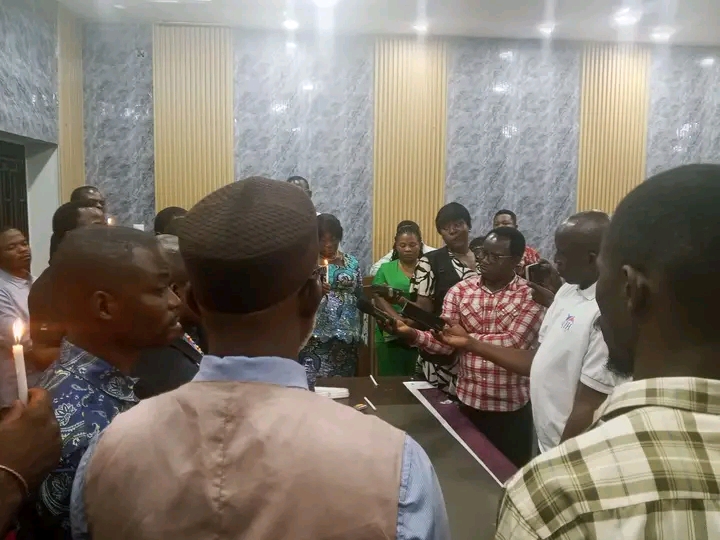
Pecos arrived in Cape Town and attended the launch of the Summit on Tuesday November 10th in evening, and for us that was great. During the introduction Pecos managed already to attract the attention of some participants who did not much about refugees in the Democratic Republic of Congo, and had more time to explain about it. During this event it was more about the presentation, the experience in the field of forced migrants and the mission of the work of the organization in the protection of the rights of people on the move. It was an opportunity for Pecos to share with the audience about his 20 years of refugee life in Uganda and all the persecutions he faced, then one participants said “ Pecos so sorry but you are such a wonderful man, you should write a book about this vast experience”. Pecos also presented the background and environment in which COJESKI-DRC was created in 1994 when millions of refugees from Rwanda and Burundi entered North Kivu and South Kivu Province and caused a serious humanitarian crisis. Then COJESKI also came up to propose lasting solutions and foster community cohabitation at the same time focusing on various national issues such as Peace, Democracy, Human Rights, and Sustainable Development among others.
On Wednesday November 11th, 2026 was the official opening of the Summit and was followed by various speeches and opening remarks and the general information about the event and participants who came from various countries.
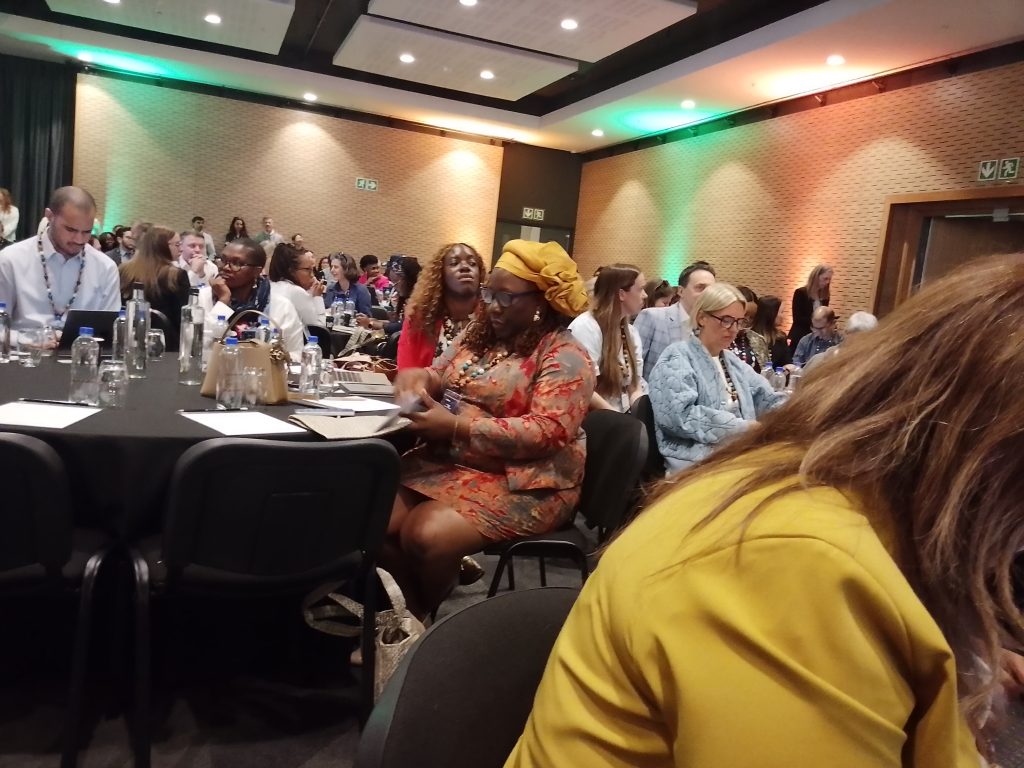
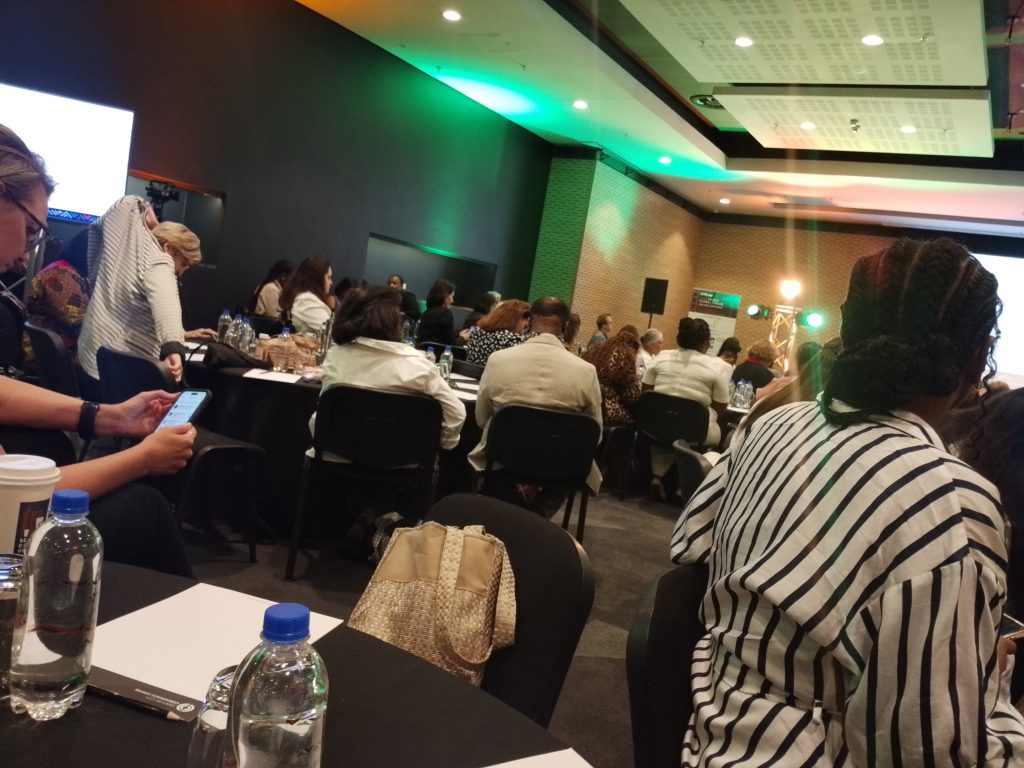
Later on the afternoon participants joined different sessions and panels on various thematic groups. Pecos was among those who engaged on the situation of refugees in the Democratic Republic of Congo, as UNHCR representative provoked the debate about either we change the Geneva Convention or we implement it. In his submission Pecos observed that in DRC this debate may not be relevant because the Geneva Convention has not been implemented yet and refugees are waiting for someone to come and implement it, Pecos urged the participants to help DRC to implement this Convention and later on we shall evaluate how it works.
UNHCR delegates in the room wanted to know more how is the situation in DRC and what UNHCR in DRC is doing to support the protection of refugees. Pecos shared his perceptions about the limits UNHCR and CNR have in order to protect refugees in DRC, and UNHCR delegates recommended that COJESKI-DRC to makes a written note so that it can be shared with other UNHCR stakeholders and provide a better response.
About other questions in relations to the statistics, the location and the living conditions of refugees, we encouraged the participants to read our presentation which is on our website. Participants in the sessions observed a mismatch between what UNHCR International Staffs present in various forums and the reality on ground in relation to UNHCR work, where many continue to believe that UNHCR has failed in its mandate. Pecos therefore suggested that the debate should be orientated on serious evaluation of UNHCR work in order to implement the Geneva Convention. On the debate about the responsibility of the states to implement the Convention, we observed that UNHCR plays a big role in order to engage states and generally the challenges are observed in the capacity of UNHCR to really engage states. Participants observed that generally UNHCR has become a political tool used by states and seems to lose the flavor of refugee protection.
In various engagements with participants Pecos shared with Lawyers based in the USA about the deportation of Congolese refugees who were returned back to DRC yet they were resettled to the USA officially through UNHCR resettlement program, this case will be also followed together with lawyers.
Meeting Congolese Refugee Leaders in South Africa
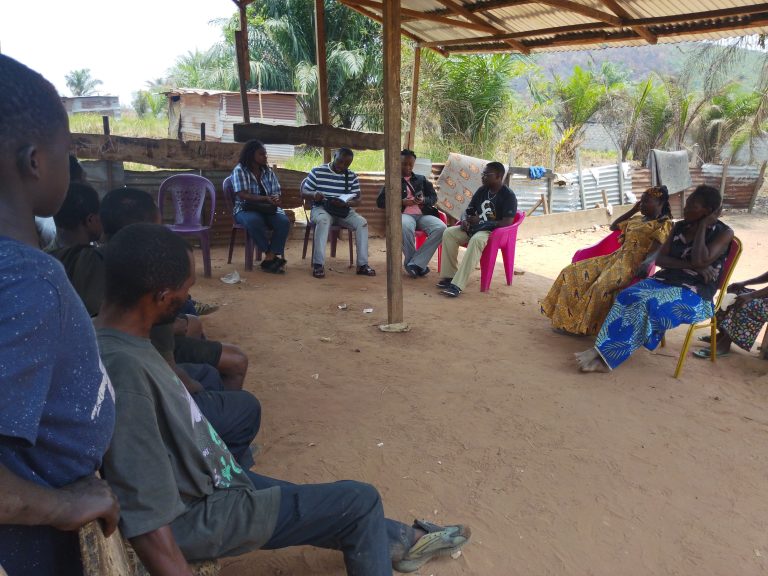
Congolese refugees and asylum seekers based in South Africa also attended the Summit and we managed to interact with them on various issues affecting them but also on the need to come back home and get involved in refugee matters affecting the country, their experience, knowledge and skills acquired are much needed in DRC now in order to solve the refugee crisis which one among the aspects to restore peace. However as it has been observed even our colleagues in South Africa did not know that there are refugees who are hosted in the Democratic Republic of Congo, and now after hearing from me their attention was focused on how refugees are treated in DRC. I was disappointed to inform them that we are doing badly in terms of helping refugees in DRC, which also disappointed them.
However we all agreed that something should be done in terms of reforms so that DRC claim her position in the world in this field of refugee protection. Congolese in South Africa also shared with Pecos the problems they are facing in terms of lack of protection and staying for many years without a refugee status, they were also disappointed to observe that UNHCR is often absent in refugee issues in South Africa.
Pecos encouraged them to get organized through various advocacy associations in order to push for change in the refugee management in South Africa.
On Thursday November 12th, 2026
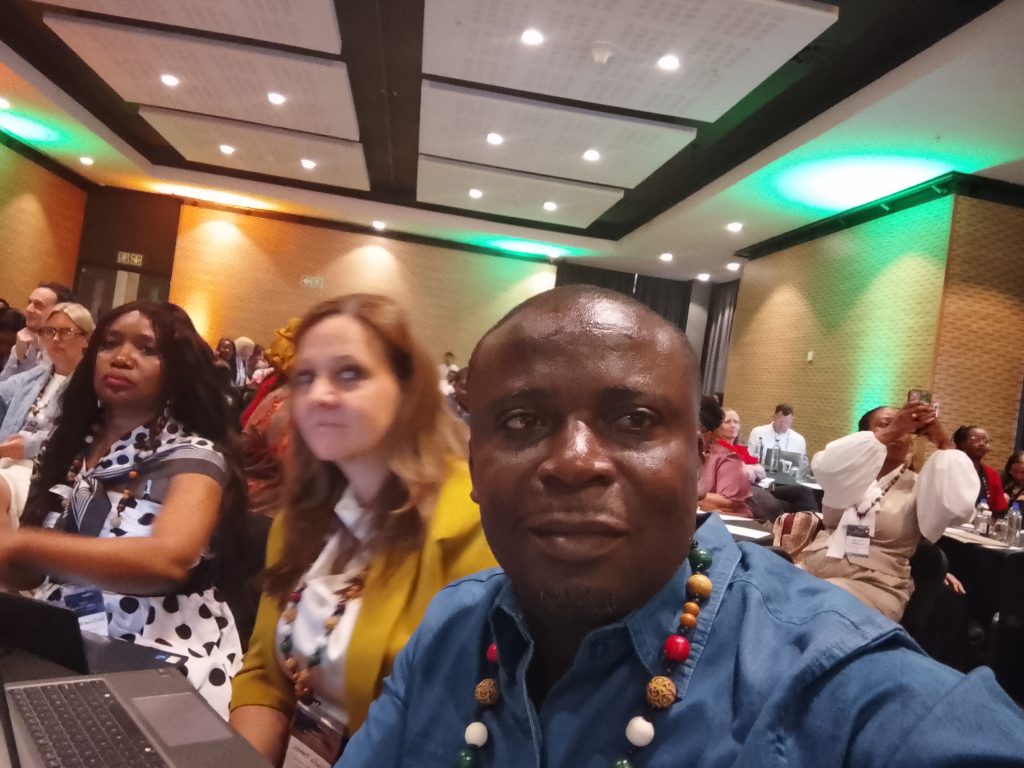
Pecos attended sessions on the work on legal protection of refugees and the community engagement during the morning in which he observed and shared with the participants the challenge to mobilize lawyers in DRC because we do not have funding but at the same time shared the various work COJESKI-DRC has done in order to challenge existing barriers for refugees to enjoy their rights. The pro-bono services are not free but they are services offered to refugees because someone has covered the cost, and that is why organizations are encouraged to invest in resource mobilization.
While other countries have lawyers who are fully engaged, Pecos observed that the Democratic Republic of Congo is still behind in order to offer legal services to refugees and asylum seekers.
Session after breakfast: How to manage risks
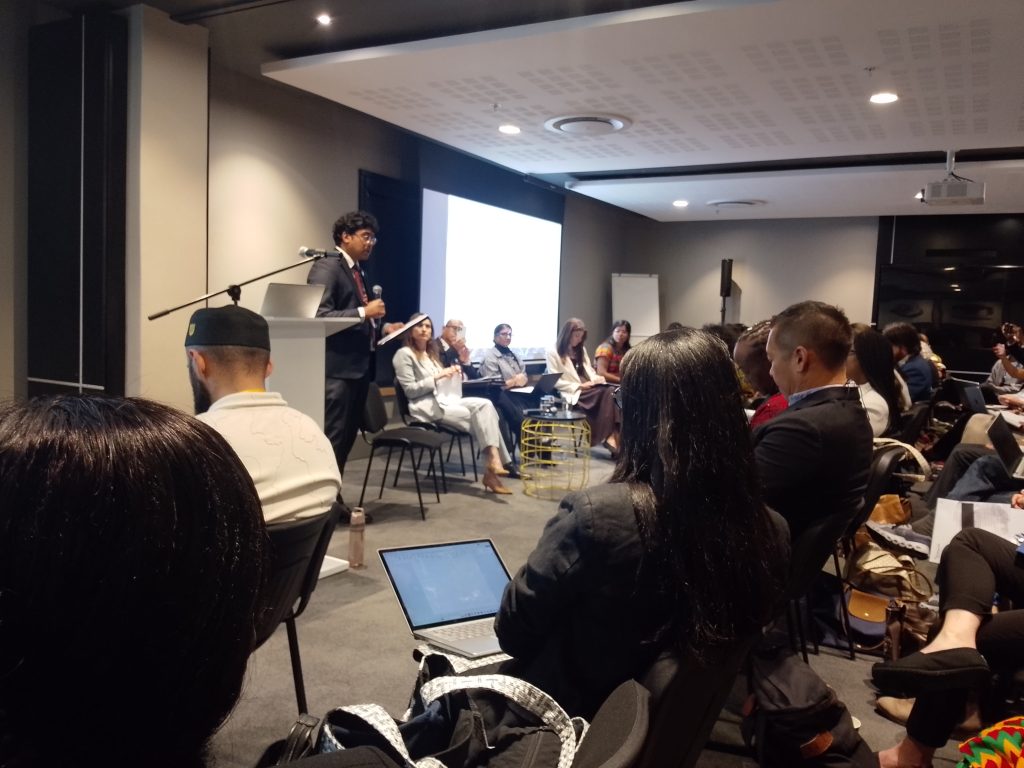
The participants observed so many risks associated to our work towards the protection of refugees and various examples were shared in which people have lost their lives while trying to save the lives of others. Pecos presented about threats COJESKI-DRC members are facing during their work and observed that UNHCR officers in DRC have played a frontline role to push security services to threaten and arrest active human rights defenders who are engaged in the protection of refugees. In various cases where our members have been arrested, threated and intimidated, the security officers have claimed to act in order to respond to the request from UNHCR. Pecos showed that in his daily work, he continues to receive threats and intimidations from UNHCR Officers and CNR and shared that even he came for this Summit, Pecos met UNHCR Protection Officer in Kinshasa and their discussions turned not friendly when UNHCR Officer threatened to make Pecos arrested because the UNHCR officer was not happy that COJESKI-DRC should teach refugees about their rights.
The meeting observed that risks cannot be avoided, and encouraged participants to regularly make risks assessments with small details and then decide which risks they can take. It was observed that we cannot stop doing our work because of associated risks because our work is vital and could have severe consequences on the people if we do not do it. Participants were encouraged to share information of risks, to network and cultivate hope, courage and resilience in order to bring change.
The session on the crimes and Massacres against refugees in Gaza
The participants were introduced to various massacres against refugees in Gaza by Israeli security forces and the work to seek for the trial of Israeli Authorities who are responsible for the massacre and the work of pro-bono lawyers. Pecos engaged the participants about various massacres of refugees in the Democratic Republic of Congo and the need to document all these unknown massacres and bring perpetrators to books, Pecos observed that while various research actors can easily document what happens in Gaza there no information, no research work which focuses on the massacres of refugees in DRC and called upon actors to get involved in documenting and help the world to know what is happening in DRC. Pecos informed participants that only one report called the United Nations Mapping Report has also included the massacres of refugees in DRC and unfortunately this report which was made in 2010 is still suffering in the draws of UN Tables.
The session about funding to our activities
The session explored funding tips and how participants need to secure funding in order to continue doing their work, experiences and challenges collected to donors, priorities, political direction to define where funds should go, and accessibility to funds are some among issues discussed but also the failure of NGOs to influence the funding priorities. Pecos shared with participants how refugees in DRC are totally abandoned and are not funded, in response to the questions about International Organizations which work for the protection of refugees such as Dannish Refugee Council, Norwegian Refugee Council, Jesuit Refugee Services among others, Pecos informed that generally all International Organizations which known as having a mandate on refugees and who have their primarily mission to work help refugees are not doing so in DRC, none of them has a focus on refugees in DRC citing that they claim not have an agreement with UNHCR to extend services to refugees.
It is also the same with Development Partners who are not also focused on projects aiming at the protection of refugees. Pecos shared with participants how he was warned by UNHCR officer not to engage on issue about the protection of refugees and refugee rights which UNHCR Officer claimed was crossing the red-carpet and asked Pecos to bear the consequences.
Some of the participants observed that generally many actors do not have much information about the situation of refugees in DRC, and actors who are working on refugee issues, and called upon Pecos to work in order to provide people with more information.
Pledge Session on Friday November 13th, 2026
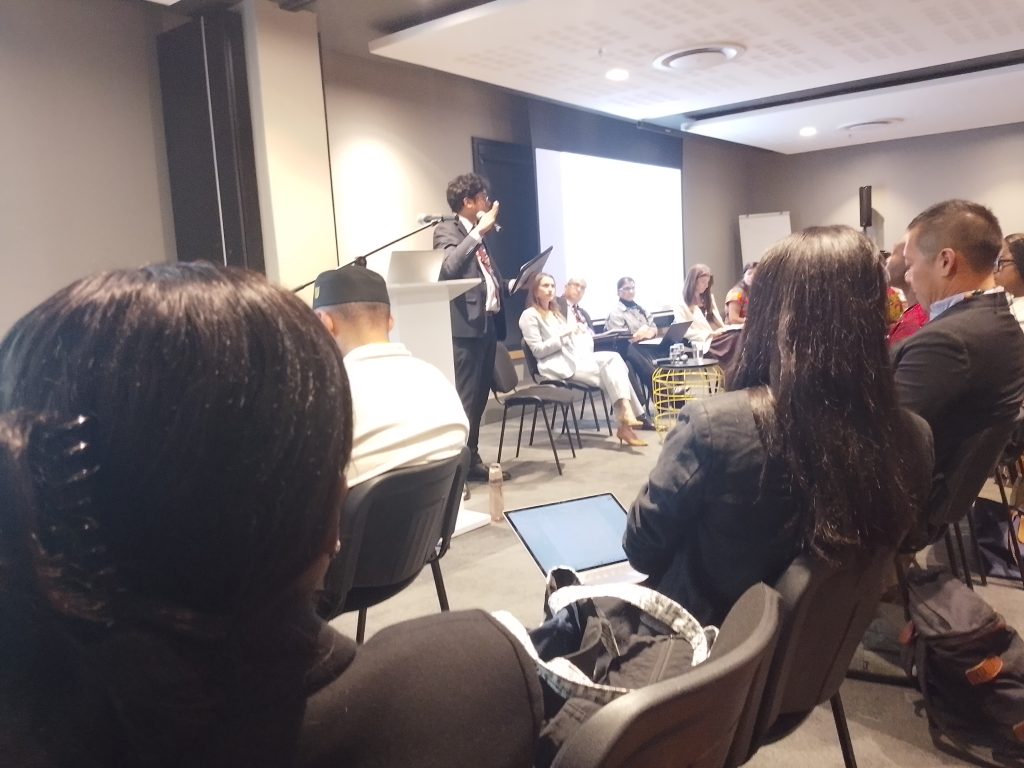
The Pledge session on Friday focused on key recommendations which we should forward to stakeholders and the refugee meaningful participation. Participants went through the recommendations and proposed amendments which included the involvement of National Human Rights Commission in various countries, and the training of refugee community leaders in para-legal activities. The session also focused on the debate about the meaningful refugee participation in the whole decision making process and the implementation, however observations were made about the need to focus on power especially in the situation where refugees are still considered as beneficiaries of the services rather than stakeholders.
Achievements
For the very first time an independent organization member of the Civil Society working on the Protection of Refugees in DRC was present at the table of discussion and fully engaged,
The participants got the opportunity to know more about the situation of refugees in the Democratic Republic of Congo,
Promises for UNHCR Delegates to follow up with certain allegations about the situation of refugees in DRC,
Contact building and networking with other organizations who showed interest in our work,
We were about the see the gags and opportunities associated with international advocacy on refugee issues in the Democratic Republic of Congo,
Participants were interested to learn more about refugees in DRC,
Challenges
We did not have enough time to respond to all questions from the participants about the situation of refugees in DRC, and because we only had one representative he was not able to talk to each person who wanted to engage him on various issues in DRC,
The absence of DRC Government in various Conference at the International level on the situation of refugees in the Democratic Republic of Congo and the absence of information about refugees in DRC,
Way forward
This helped us to observe the urgent and great need to amplify our advocacy at the International Level, even we have challenges to raise the necessary funds in order to participate in various meetings,
The need to put in place a legal Department working on issues affecting refugees and asylum seekers,
To put in place various awareness forums including forums at local, provincial, national, regional and international levels focusing on the protection of refugees in DRC,
Documenting cases of refugee human rights violations and sharing the situation of refugees in DRC with other stakeholders in order to fight against ignorance,
Build the capacity of refugees so that they can get involved in solutions towards their problems,
Upcoming events
The United Nations High Commissioner for Refugees Global Dialogue on the protection of refugees in Geneva, December 2026,
PILNet 30th Anniversary in March 2027 in Hungary,
Global Summit on the legal protection of refugees in Brazil 2027.
Comment (1)
Germain MIRHONYI
Nous remercions infiniment la participation du cojeski à ces travaux et espérons que ça va produire des bon fruits !