Our quarterly report from January to June 2026 on the situation of refugees and IDPs in DRCongo
-
by
cojeski
- No Comments on Our quarterly report from January to June 2026 on the situation of refugees and IDPs in DRCongo
Quarterly report of our activities on the situation of refugees and Internally Displaced Persons in the Democratic Republic of Congo.
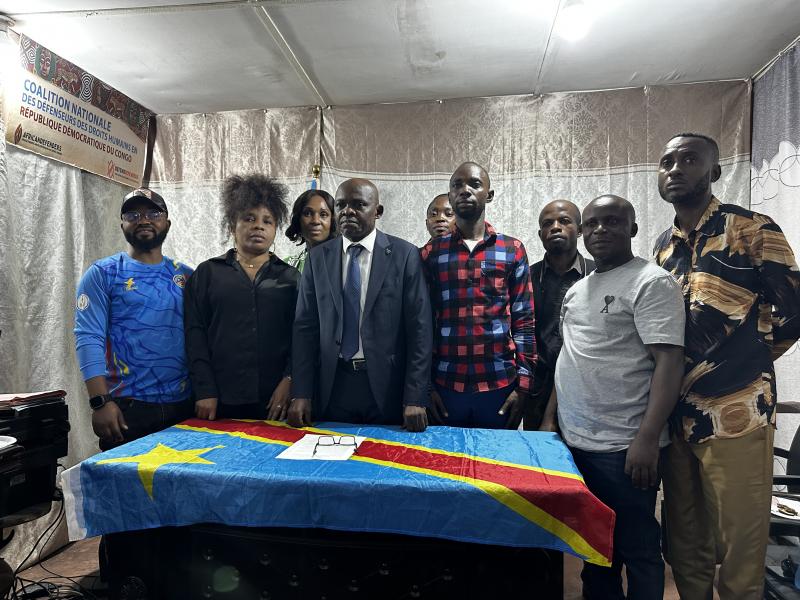
Message from the COJESKI National Team Leader Mr. Kulihoshi Musikami Pecos
In January 30th 2025 when the rebels backed by Rwanda captured Goma, we fought our hopes to restore the lives of forced migrants was over as our offices became one among the targets, we were all dispersed and everyone took his or her own direction, some remained in Goma, others left for Uganda, others in Beni, others in Kinshasa others in Kalemie in DRC while others moved to Tanzania.
Two months later we carried a security assessment and realized that both North Kivu and South Provinces have been affected by wars through Rwanda Military interventions since 1996 up today and the change of leadership in DRC does not end such Rwanda’s military approach. We then concluded to set up to offices elsewhere, one in Kalemie City, Tanganyika Province which will coordinate the whole eastern DRC and another one in Kinshasa the Capital City. From here new hopes began and it is driving us until now. Our Donors like GlobalGiving, COHERE and Children’s Rights Innovation Fund made this dream a reality and contributed a lot towards our resilience.
We are fully aware of the magnitude of the problems faced by forced migrants in DRC and the lack of actors involved in order to find solutions. Being citizens of this country, we developed a cross-cutting approach which includes peace, conflict resolutions, relief aid, development, governance, policies and human rights among others.
We are optimistic and hopeful that the situation will change through strong community involvement and ownership including the approach to make forced migrants Actors of change but not mere recipients of relief aid.
We are glad that six months later, we are cruising and bringing changes in the lives of so many people, bringing hope and resilience so that they can move forward. Generally we are focused on the situation of refugees and Internally Displaced Persons. It is our duty to get involved in this matter either alone or in partnership with others, we do not really care. We are not worried weather we are the only ones alone in this field or not, we are worried of not being this field, how could this affect the vulnerable communities.
Introduction
The Democratic Republic of Congo hosts thousands of refugees from 13 countries mainly Angola, Republic of Congo, Central-African Republic, Liberia, Sierra-Leone, Sudan, Eritrea, Ethiopia, South Sudan, Uganda, Rwanda, Burundi and Somalia among others. UNHCR and the Government do present statistics of 623,000 refugees current registered in DRC but these numbers are based on those who have been identified. Thousands of refugees have lived many years in DRC and have never been identified, they even do not know anything about UNHCR and CNR, and sometimes they fear to report in order to claim the refugee status. We estimate refugees in DRC at about 4 million in the whole country among them even those who came before the independence and those who came after. The biggest number came from Rwanda and Burundi from 1990 -1994.
While some refugees were given camps where they are living others have not been allowed even to join these Camps, so they live on their own in host communities and enjoy the limited support from the host communities.
Overview of the situation of Forced Migrants in DRC
Visiting Burundian urban refugees in Lubumbashi Haut-Katanga Province, they live on their own and have no opportunity to speak up what they are facing because they are intimidated by the Congolese National Commission for Refugees known as CNR
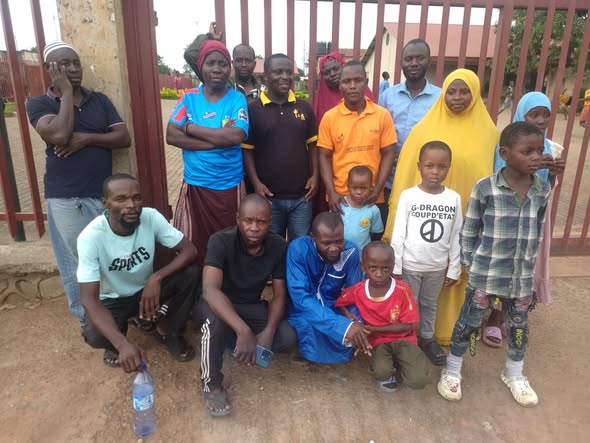
IDPs
Since 1996 up to now the Democratic Republic of Congo entered in war backed by Rwanda troops, and this war made millions of Internally Displaced Persons, since then in some provinces like South Kivu, North Kivu, Ituri and Tanganyika people have not spent more than five (5) years without a war, and many have been IDPs in their entire life up to now. Many were born in war and grew up in war, sometimes in IDP Camps, sometimes in host families.
This is one among the IDP Camps in Kalemie, tanganyika Province, these houses are a shame to our human conscience
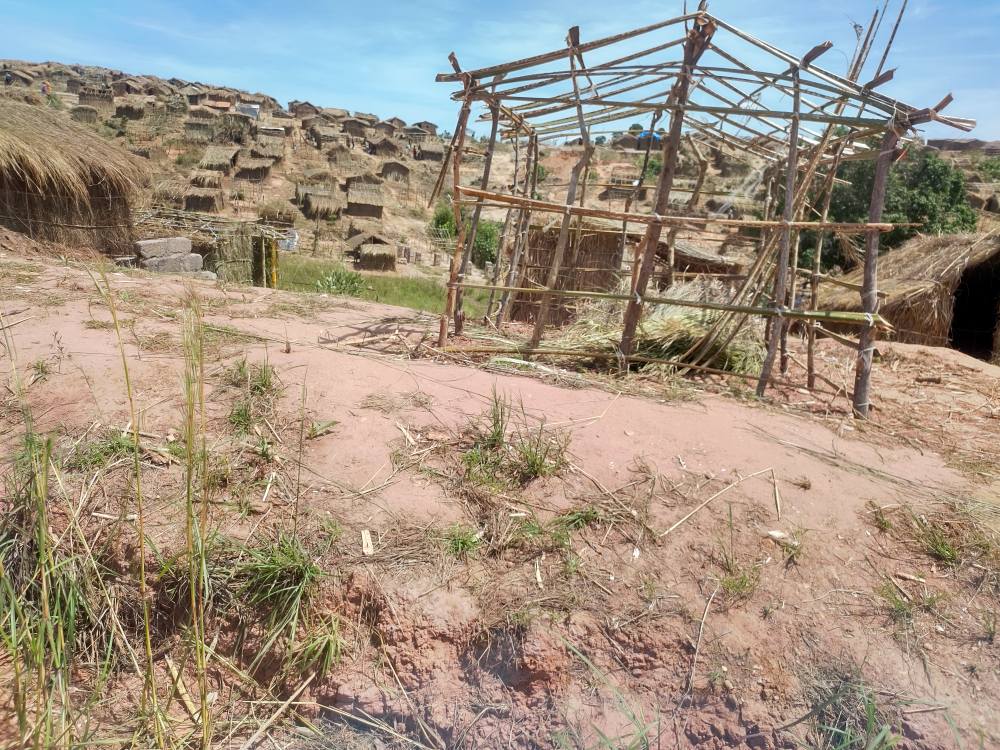
The recent report of the United Nations published in April 2026 placed DRC 5th among top countries with a highest number of forced displaced persons (IDPs), however this report did not exhaustively cover up those who are in hard to reach areas in DRC which are so many. On top of this report we believe basing on our activities in the fields that DRC should be having more than 10 Million Internally Displaced Persons (IDPs).
Cutting off the relief aid: How are the communities affected?
Supporting affected communities with basic needs as we were able to do this small gesture, however they have never seen these big international organizations coming to help them.
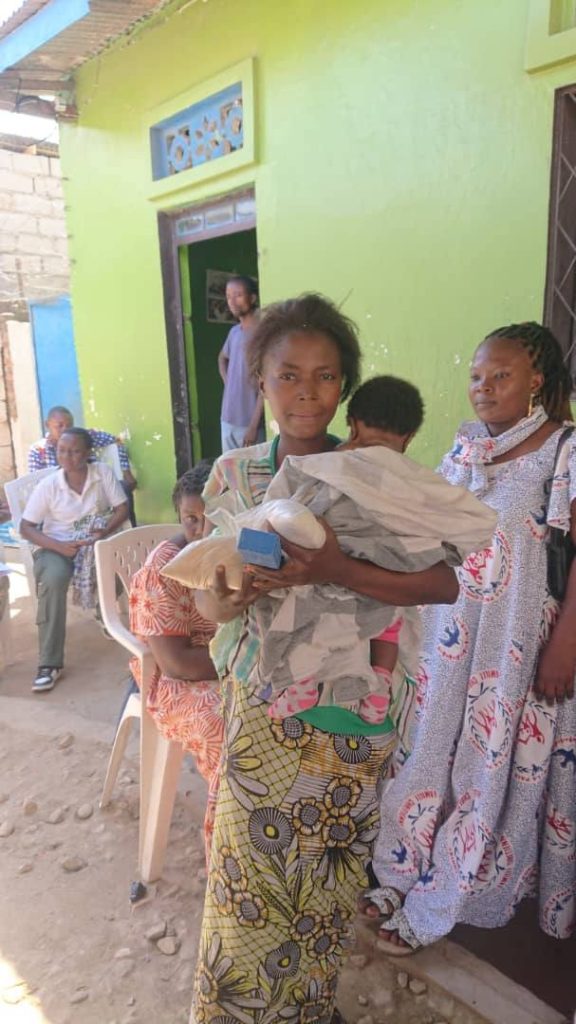
We have focused on this global problem in order to come up with an appropriate advocacy approach. We visited IDP Camps and talked directly to those who received the aid in order to understand the situation, we also held online meetings with local NGOs in DRC which are supporting both refugees and IDPs and lastly we engaged the host communities.
The outcomes indicate that communities especially IDPs and refugees in Maniema, Tanganyika, Haut-Katanga and Kinshasa Provinces are not affected by the cutting of foreign aid because they did not even receive the aid when it was available.
Here in this IDP Camp in Kalemie, “we have been here since 2008, at first when we just came at least for the first six months we received regular food ration from World Food Programme but later on it was cut off and became something sporadic until it was stopped. The last time we got food here was in 2021, apart from that there is nothing else we received in terms of aid. We struggle ourselves for the education of our children, for health care and for our food, our lives are usual”.
As we also want to understand how refugees are affected still this refugee women in Kalemie Tanganyika Province told this “I came here in 2015 as we ran away from Burundi, since I was registered and granted the refugee status, I have never received any other relief aid, I struggle alone in order to survive, so I do know even that aid was cut off, even when it was available, I did not get it. UNHCR always tell us that we are urban refugees and that we do not qualify to receive aid, but the fact is that I do not reside in urban area in Kalemie because I cannot afford it, I stay in this village, and I have been wondering how I was categorized among urban refugees who should not relief aid”.
In some areas even if there is a huge humanitarian crisis, still aid workers mainly international organizations did not even reach there in order to help people. In Pweto Territory, Haut-Katanga Province this Civil Society Actor told us “ Thanks for coming, you are the very first to come here and at least see the plight of these IDPs, they have been here for the last 10 years and no one has ever come to help them, just see how they are suffering, there is nothing much to tell, your eyes can see how the situation looks like, they are not suffering because the aid was cut off, they are suffering because the aid was denied to them, because they were ignored yet they exist”.
In Kindu Province we visited many IDPs who have never received relief aid as well as many refugees and have no idea about the relief aid, here people live on the solidarity of the host communities. In our online meeting this leader of a local organization based in Fizi Territory South Kivu Province said “Actually we the IDPs are not affected by absence of relief aid currently because, we have never received it. We are not crying and we are continuing with our lives as usual, those who are affected more are International Organizations which closed their offices here, and they are the ones crying. Relief aid which should help the victims and vulnerable communities is more used by International Organizations to live a better life and earn a lot of money in the name of salary. Me actually I’m happy that the USA cut off this aid, I call upon other donors to do so. The best and appropriate way to help is give relief directly to local organizations”.
Meeting with stakeholders to understand the situation and how decisions are made
A meeting with Malukku IDPs Community Cultural Leaders who are the main actors in influencing the decisions of IDPs, here we engaged them on using their voices in order to challenge some issues affecting IDPs.
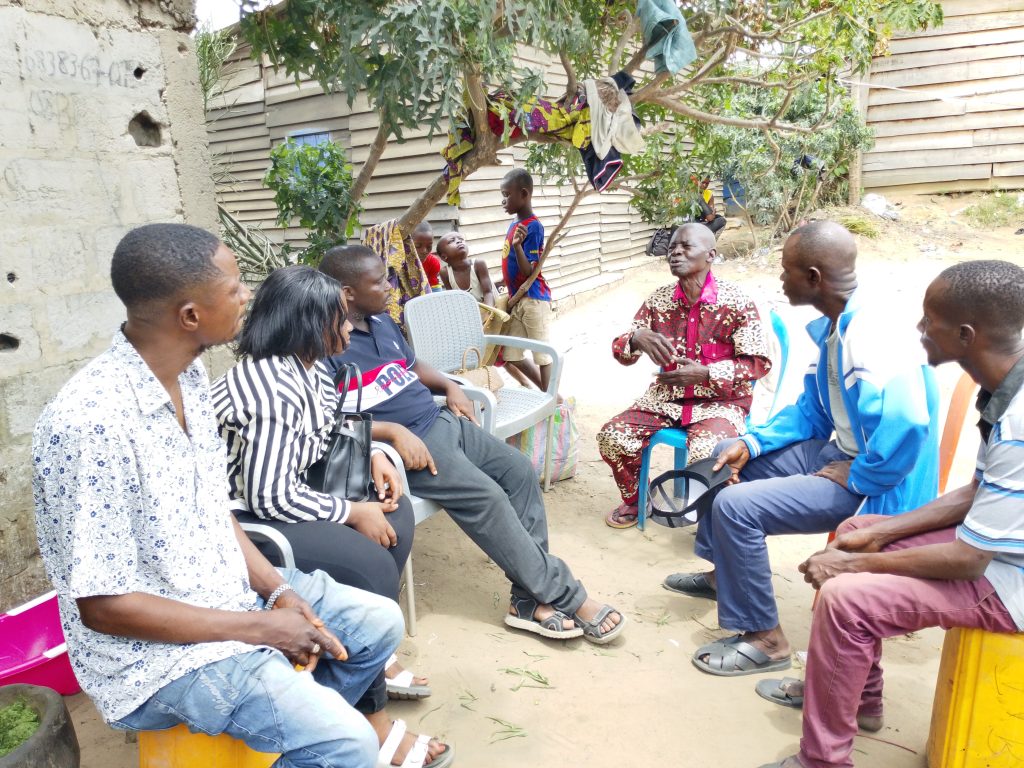
In our efforts to challenge what stakeholders know and argue about, we visited some people in their officers and held meetings.
In Kalemie we engaged UNHCR in order to understand why urban refugees do not qualify for relief and who defines urban refugees, this UNHCR officers told us “here we do not have camps for refugees, all refugees are in urban areas and basing on our approach, they should be self-reliant. You know the limits of the city, so anyone residing inside the limits of the city is urban”.
In Kinshasa we failed to engage with Maluku Territory Administrator on issues of Internally Displaced Persons from Kwamouth and efforts to engage the Minister of Social Affairs and Humanitarian actions did not yield positive results.
This refugee from Rwanda living in Kinshasa said “ My friend, we have been here for many years now, look how I’m getting old, but we have failed to fully integrate, I do not know who decided that we should be in urban area, they have never consulted us, and because of being in urban we do not receive aid. I hear people from UNHCR crying that their salaries have been reduced, some have even resigned, so we are not the beneficiaries of relief aid. Please do all that you can to ask the government to create a refugee camp for us so that we can survive and at least have a fix and permanent address”.
During our two hours engagement with the special advisor to the Ministry of Internal Affairs, he said “Young man, truly speaking refugee issues have not yet been among the priorities of the government, there is a lot of indiscipline in this sector and we have never been serious on this issue, we do not care so much about it”.
Meetings and field visits in refugee communities
Visiting this refugee women living in a remote area in Kinshasa her daughter was raped and contracted HIV/AIDS, she was also pregnant and gave birth to a baby girl who is also HIV Positive, their major problems is that they o not have access to drugs, her daughter is not registered as refugee, and they live in remote area which has no basic services.
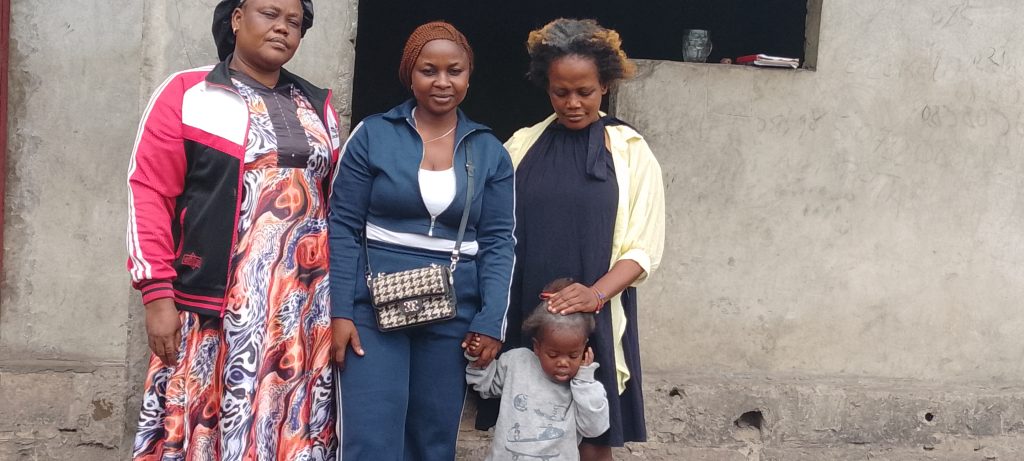
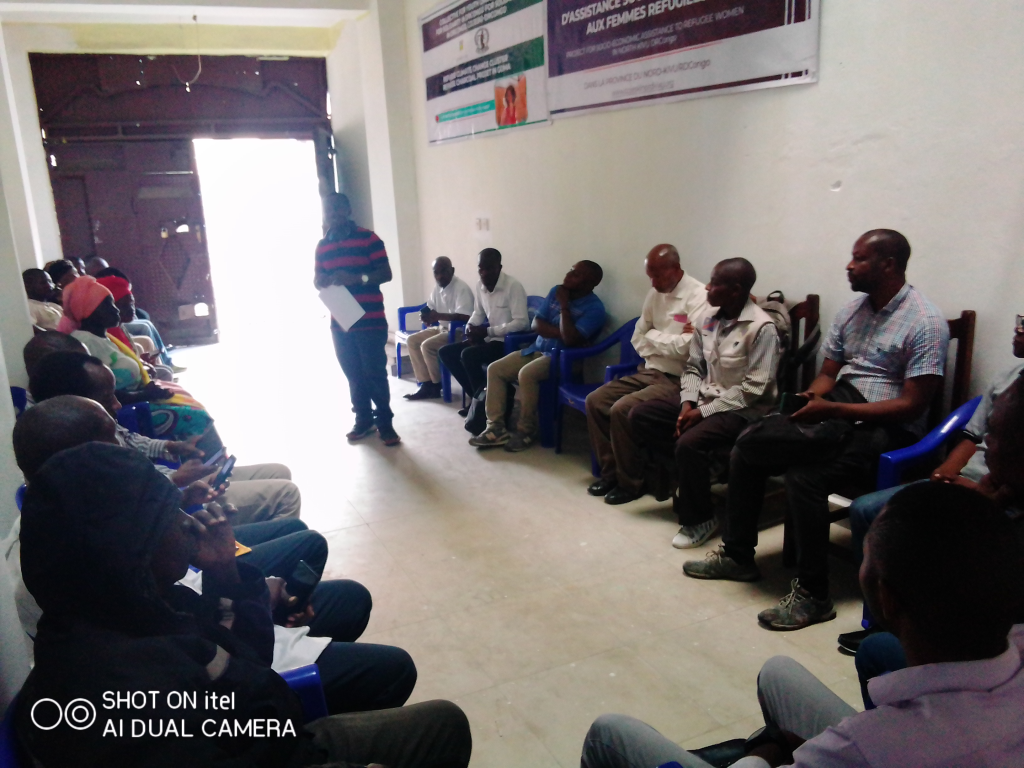
We have so far organized 7 meetings with refugees in Kinshasa, and carried three (3) field visits in their homes in order to understand better their situation and collect the necessary information on key issues.
Our meetings have been focusing on a small number of people ranging from 15 to 20 people who are opinion leaders in refugee communities. The challenges are many because refugees do not specific places where they can meet, they are scattered in Kinshasa, they do not know each other and public transport in Kinshasa is expensive, the cost of house rent is high and food is expensive. Many refugees to not have access to Smart Phones and in case they have, they may not be able to connect to internet daily. Generally young people have remained the main absent in our various meetings.
We have also walked long distances in order to visit homes where refugees live and the reality on ground, many are in remove areas which lack basic services because at least these places they are either given the shelters for free in order to keep the space or hire it at a lower cost. Others are living in most poor communities in suburbs of Kinshasa.
Letters
We have addressed 14 letters to various stakeholders on issues about refugees and IDPs in the Democratic Republic of Congo. While the Minister of Social Affairs did not reply us directly but after two months the Government donated relief aid to IDPs in Kalemie as we requested in our letter.
Capacity Training of refugee leaders
Rwandan Refugees in Kinshasa are among those highly affected, as they live in hiding against the regime in Kigali who hunts them everywhere and kills them, and even calls them FDLR, Genocidaires. This was our capacity building meeting on advocacy as you can see most of them were either not yet born or were too young during the genocide in Rwanda, they are civilians and are not connected to FDLR.
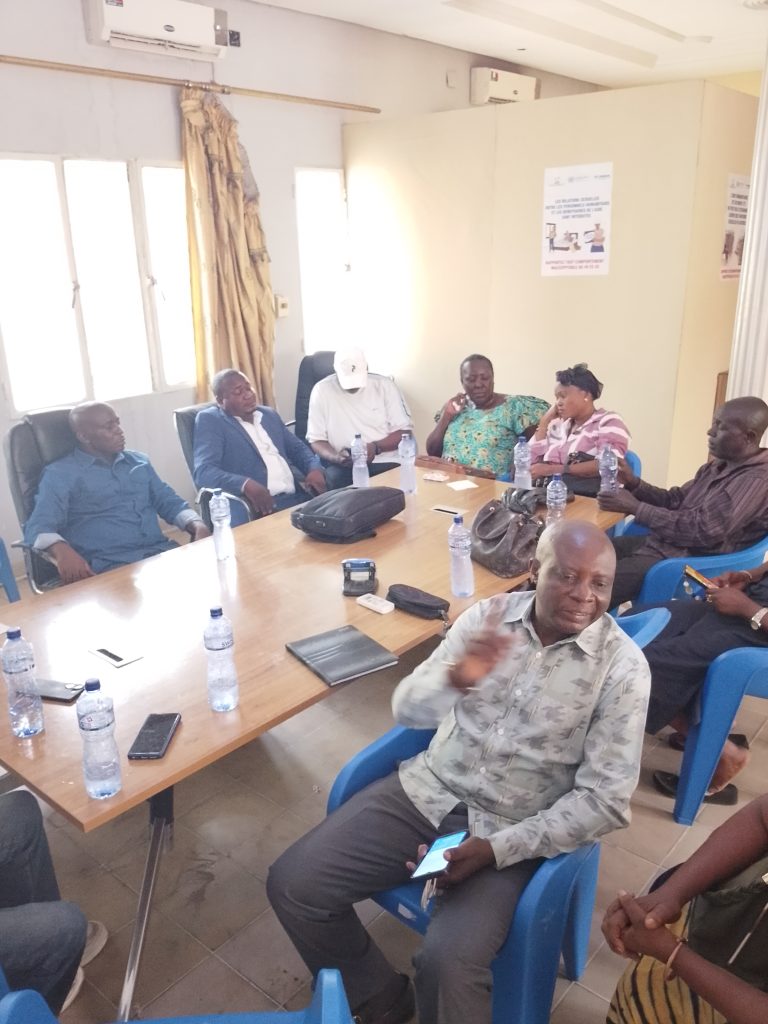
We have held 3 trainings bringing together 20 refugees each as knowledge is one among the key priorities for our advocacy approach. The first training focused of the very definition of a refugee in line with the 1951 Geneva and 1969 African Union Conventions. The purpose was to help refugee leaders to clearly understand better who refugees are and remove wrong knowledge they had before. This then gives then more opportunities to advocate for the recognition of other refugees who are left out, and those who have taken many years without a refugee status.
The second training focused on the security of refugees and community initiatives.
Here we are in community, engaging refugees on their security and their responsibility to advocate for their rights, most of them live in extreme fear of UNHCR and CNR who they think may cancel their refugee status in case they get involved in advocacy.
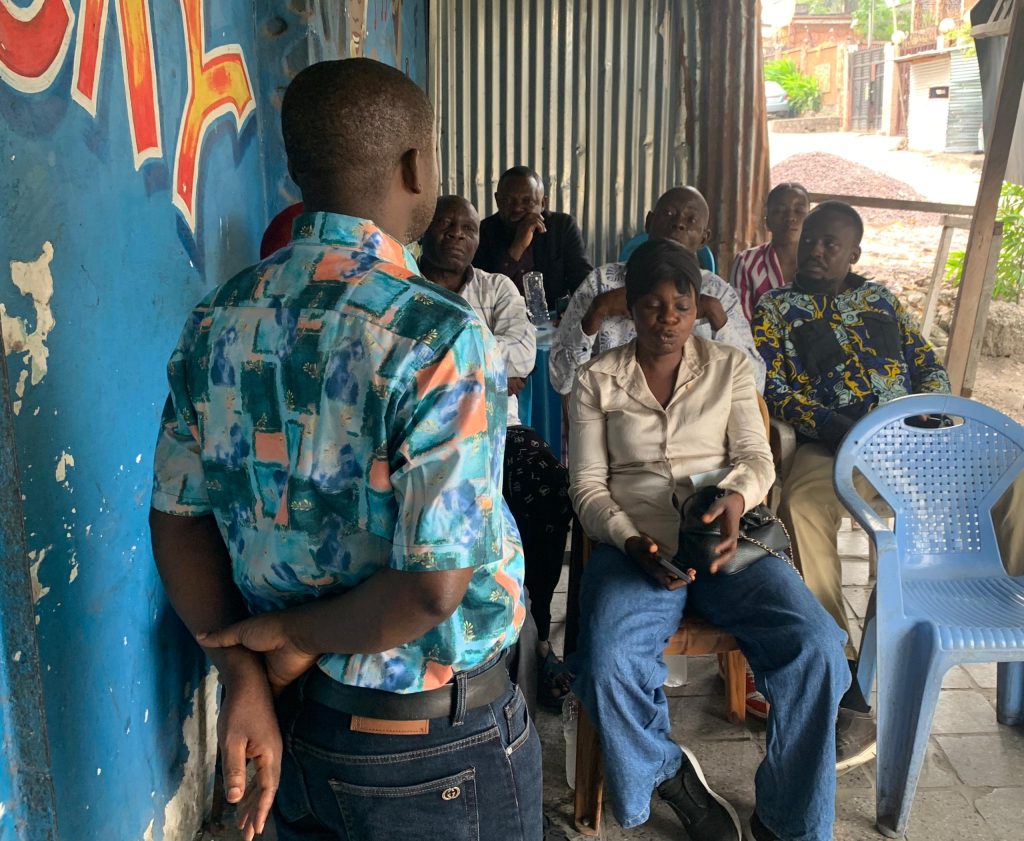
It aimed at helping refugee leaders to get involved in finding out solutions to their problems, to play roles and stop being mere beneficiaries. This trainings focused on rights and duties of refugees and explore more issues in which they can get involved in at the community levels in order to improve their lives and the lives of others. This training also clarified about myths and self-stigmatization in order to help refugees to become more active. Once again 20 refugee opinion leaders attended this training.
The third training focused on durable solutions to refugees
Capacity building of refugee leaders in Kinshasa on durable solutions as pathways which they should explore in order to improve their lives. It is our hope that this will help refugees to formulate clear demands to stakeholders.
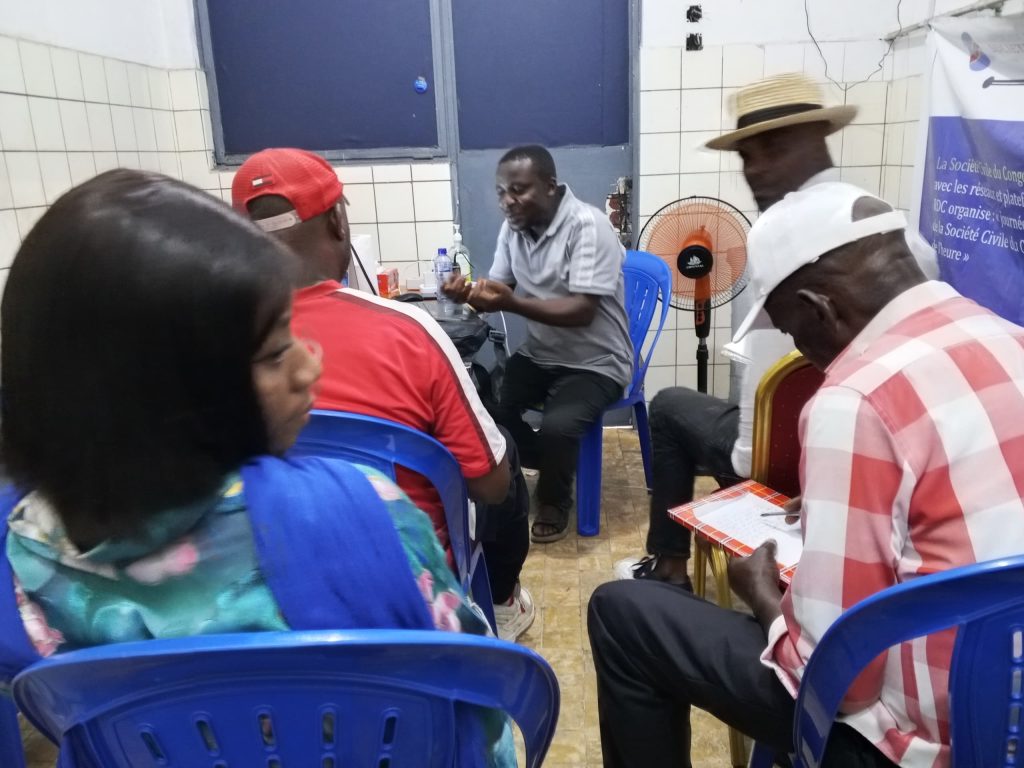
The one day training explored issues around Resettlement, Local Integration, and Voluntary Repatriation. The aim was to strengthen aspirations of refugees on these three pathways which should be promoted and encourage refugees to get involved. Once people are fully empowered then they can make clear demands to those who are responsible for their well-being. On this way we also wanted to challenge the current forced and coerced repatriation activities which are priorities and make refugees able to engage with authorities to improve repatriations exercises.
Interviews with the media
We joined other actors of the Civil Society in Kinshasa during this Press Declaration calling upon political actors to guide the country in key priorities which include the end of the war and urgent relief to IDPs and refugees rather than dragging us in a debate on the change of the constitution.

We held two interactions with the media and press here in Kinshasa and a total of five media houses broadcasted our interviews on refugee issues. We have also managed to create a WhatsApp Group of Journalists who are interested in refugee issues where they can get accurate information from us directly.
Relief aid to Maluku IDPs
Food, clothes and shoes distributions to Internally Displaced Persons in Maluku victims of Mobondo ethnic conflict, we were able to distribute things to more than 103 persons and their families.
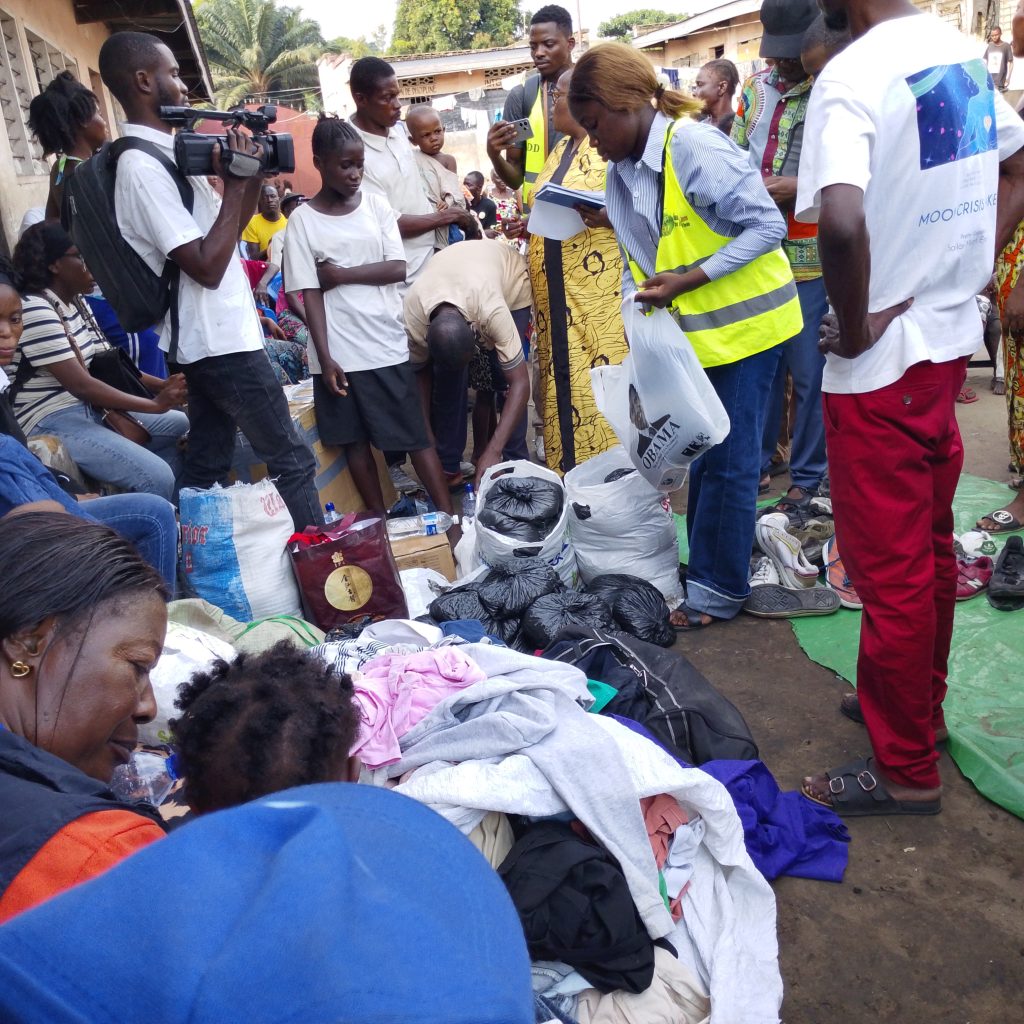
We distributed relief to Internally Displaced Persons relief aid twice focusing on those in Maluku victims of Mobondo conflict. This activity looked at two objectives: The first was bring to the public the existence of these IDPs and have them included in the conversation, because the attention was focused of the situation in eastern DRC. This objective was achieved because our audience in social media was shocked when they saw images of IDPs in such situation. The second objective was to support them with food and other items in form of solidarity with them and reduce on their pain and suffering.
Our activities in Kalemie, Tanganyika Province
IDPs in Kalemie producing Tomatoes which they are selling to the local people in the public market. However they need more things to expend their work, having transport means of their products and acquire a store in the City of Kalemie where people can come and buy from. We need people to support us in order to work on these demands.
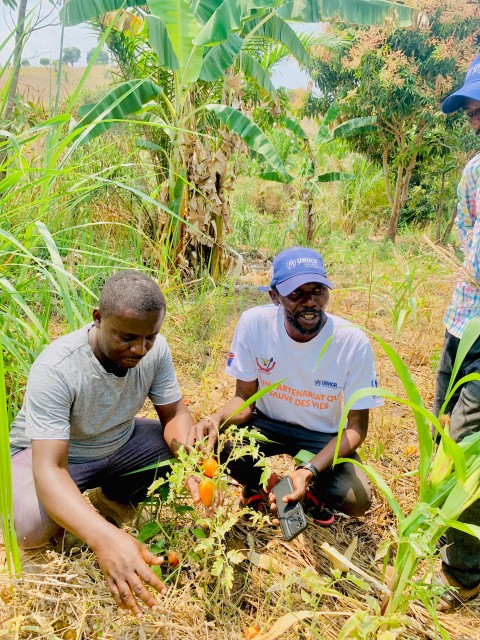
Currently we have some activities in various places in Kalemie focusing both on refugees and Internally Displaced Persons through financial support from GlobalGiving, Children’s Rights Innovation Fund and COHERE.
Agriculture for Climate Change Resilience
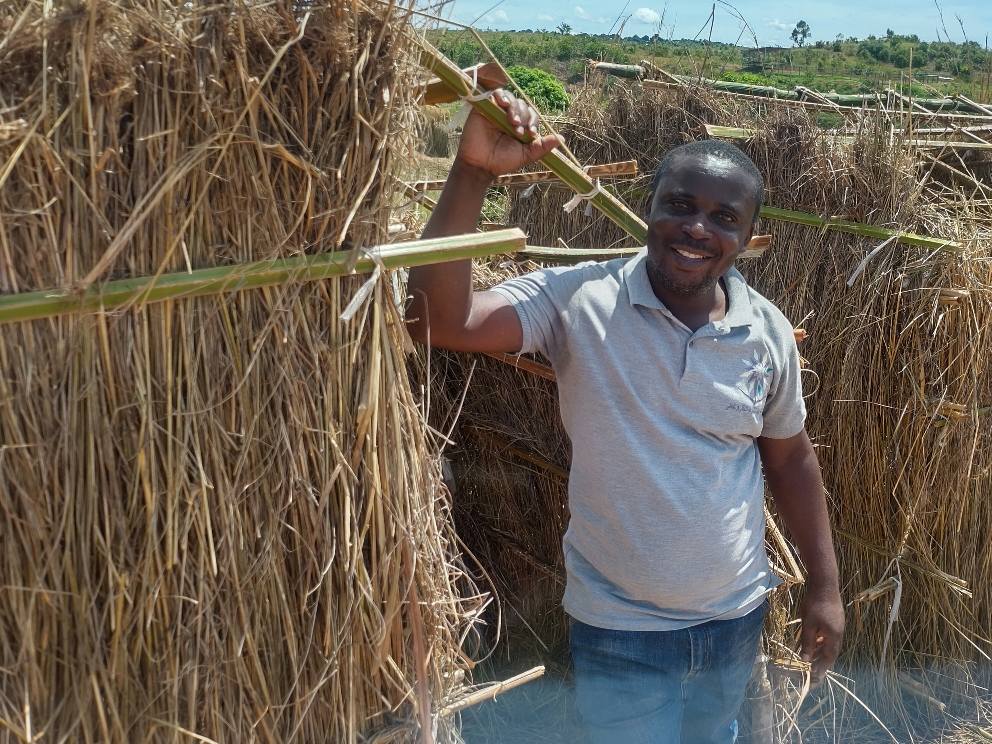
The land which has been prepared for Refugee and IDPs agricultural activities for climate resilience in Kalemie, we thank our partners who are supporting financially in this project mainly COHERE.
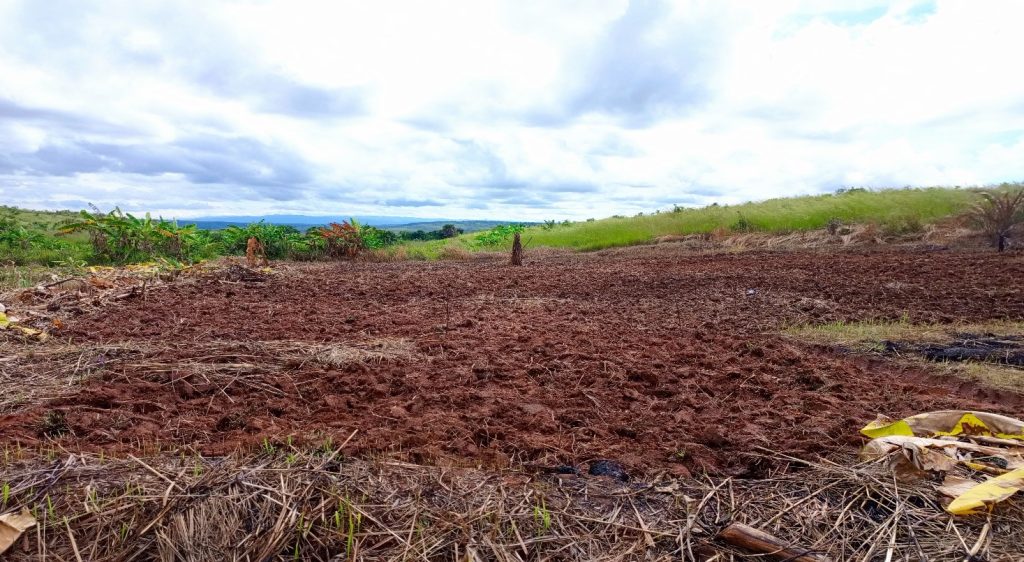
A total number of 42 people among 22 IDP women, 10 refugee women and 10 women from the host communities are involved in agriculture now in order to produce food. This is the land of 50 Meters which they are working and this is the very first crops. The idea is to make people able to produce their own food and at the same time sell some in order to get money. We started with a training focusing on modern agriculture in order to acquire the necessary skills and then they came and started practices, this project will continue after and those involved are expected to start their own initiatives in their respective communities even in their homes.
Human Rights Trainings
Kulihoshi Musikami Pecos, sharing information to participants on the situation of refugee rights in the Democratic Republic of Congo
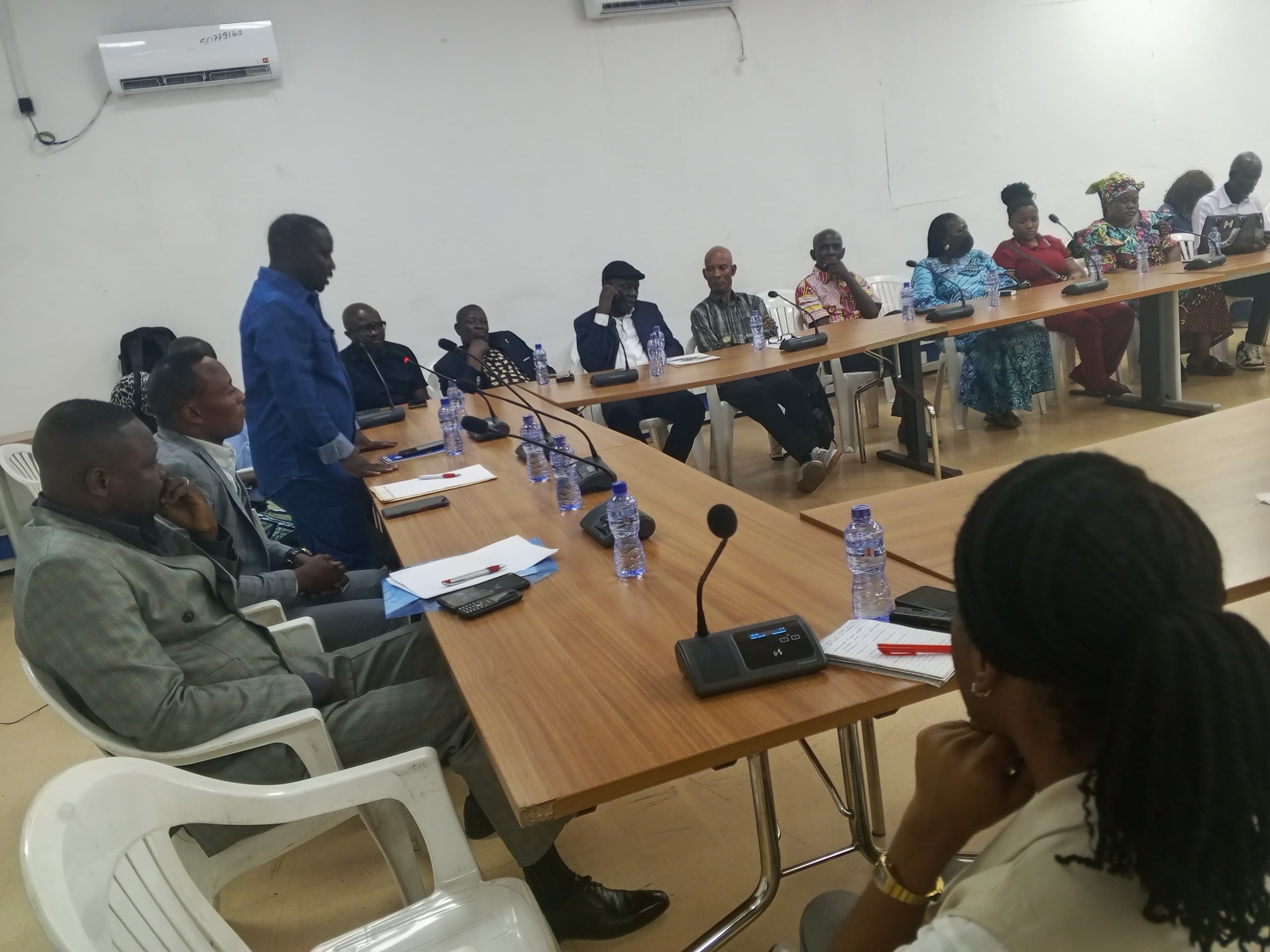
We trained 50 young people who are holding leadership positions in Kalemie in various topics such as human rights, gender based violence, leadership and entrepreneurship. Among the participants 34 were young women and girls and the rest were young men and boys composed of refugees, IDPs and host communities.
Similarly we trained 20 young people both refugees and IDPs on their rights, Small Income Generating Activities and on initiating “Village Savings and Loans Associations” which aim at making these people more economically stable and well organized to claim their rights. As per now those who were trained have now created 13 Village Savings and Loans Associations which include four (4) for IDPs, 2 for Refugees, 2 both for both IDPs and host communities and 5 for host communities. Each Village Association has 20 people mostly young people both male and female and always meet once per week.
Public Campaigns
Some of the Campaign Poster during the whole month in line with the World Refugee Day
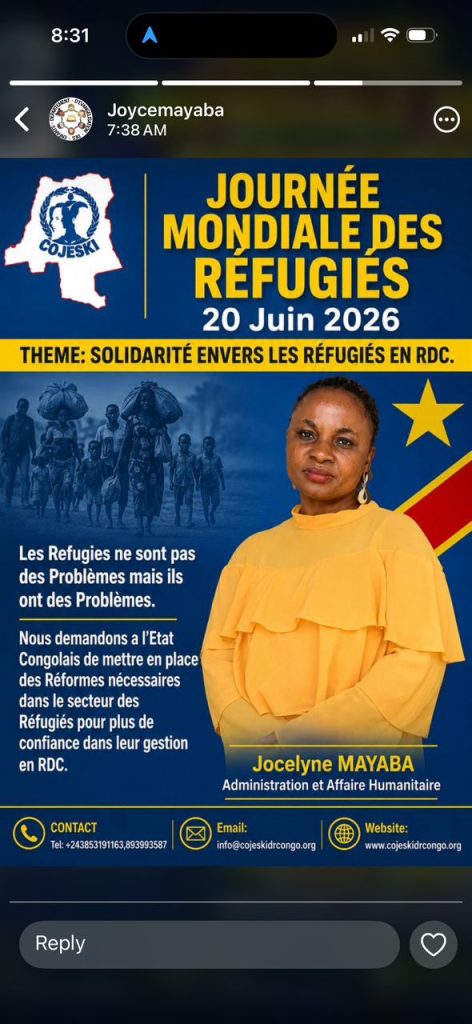
We organized a one month public Campaign focusing on the visibility and solidarity for refugees through social media mainly WhatsApp and Facebook. We believe the campaign reached directly more than 25,000 people in 128 WhatsApp Groups as well as refugees who some even used the posters on their profile on WhatsApp. The campaign also was posted in our Facebook and our website. Generally 41 actors of the Civil Society sent us their pictures and their key messages for the campaign and 7 local organizations also replicated the campaign few days before the World Refugee Day.
International Day for Women
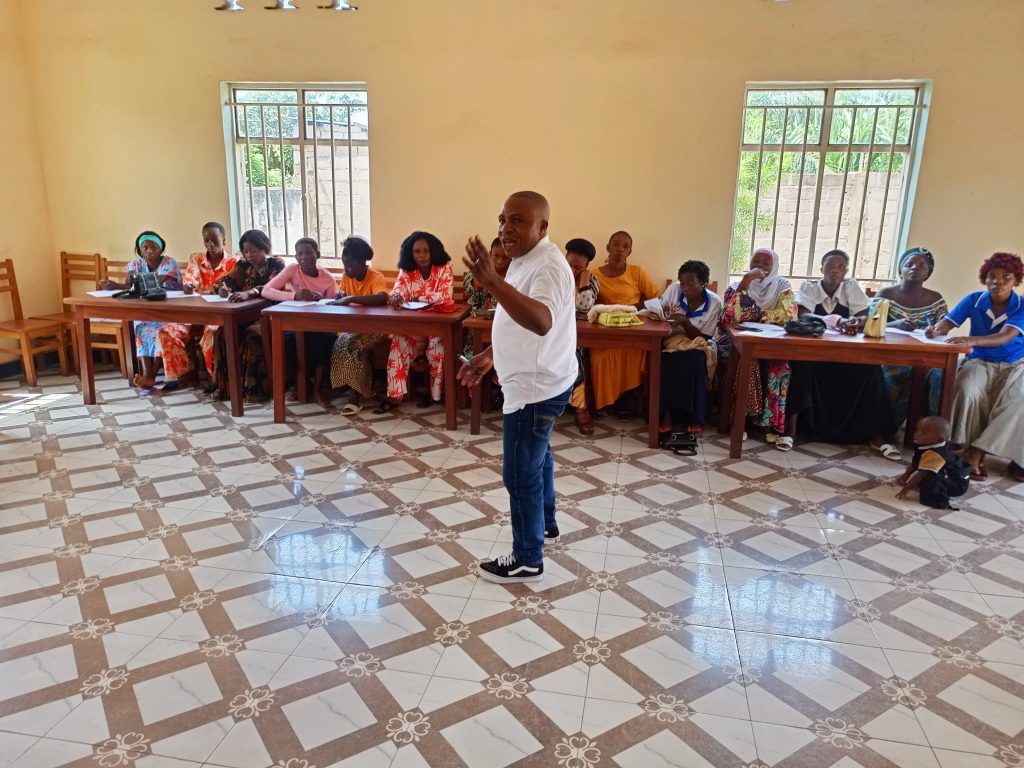
On March 8th, we joined the whole world to commemorate the International Day for women, two activities were done, one which was a social media Camp and another one which was a physical discussions on the rights of women, the current challenges and the opportunities.
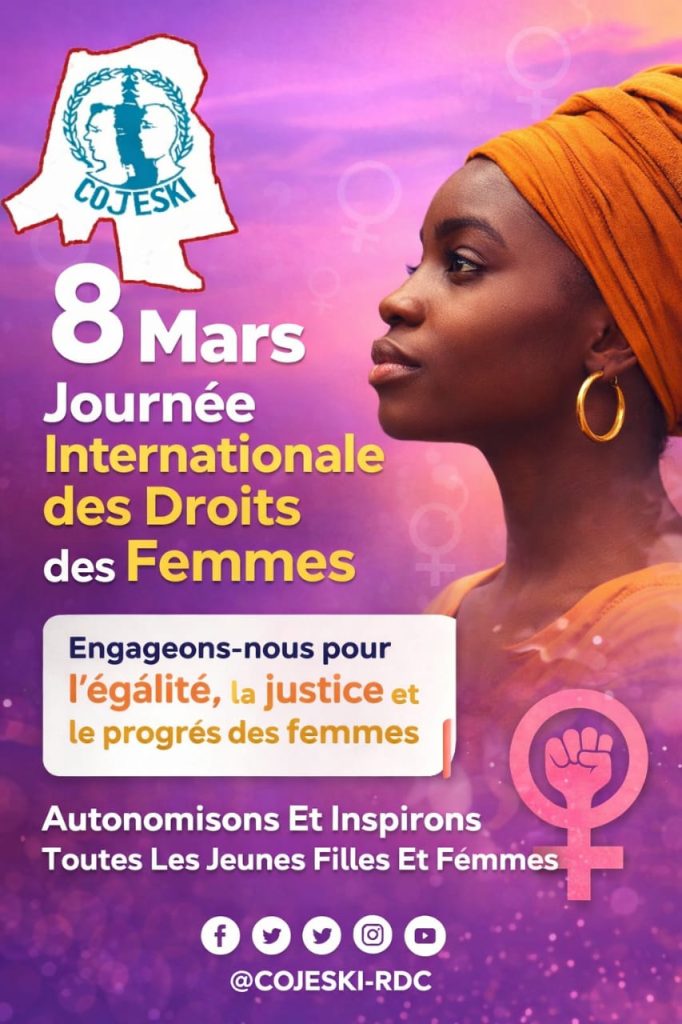
In the Democratic Republic of Congo we have realized that many young women are still massively ignorant about their rights and also do not how to advocate for them, as they indicated to us during the event on the International Day for Women.
May 28th the International Day for Women’s Health Rights
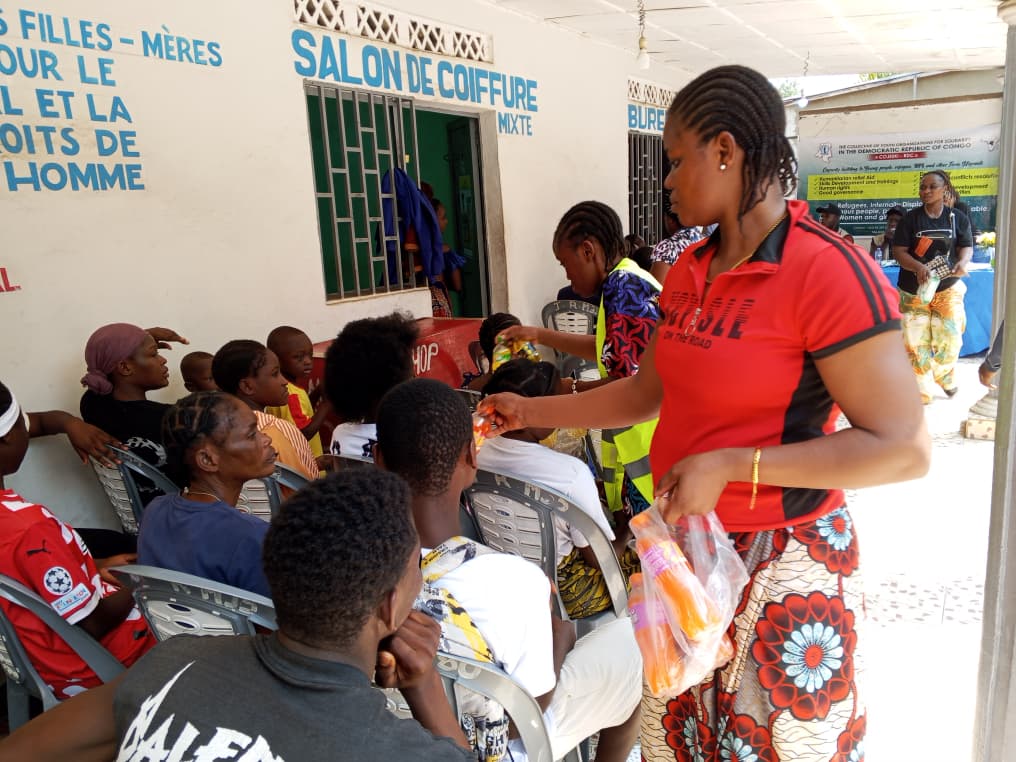
We also capitalized this day and joined together with other organizations to organize a community information and debate on women’s health in Kinshasa and other sexual and reproductive health rights. The meeting saw the participation of 72 people mainly young girls and young women in the communities who got the change to get clear information from Medical and Health Experts we came with. The event took three hours and still participants had so many questions.
Sexual and Reproductive Health Rights among IDPs in Maluku
The Health Experts engaging IDP women on how to prevent against unwanted Pregnancies even by using traditional methods of counting their dates when they are a risks. This was during our field activity in Maluku during a Community Information session.
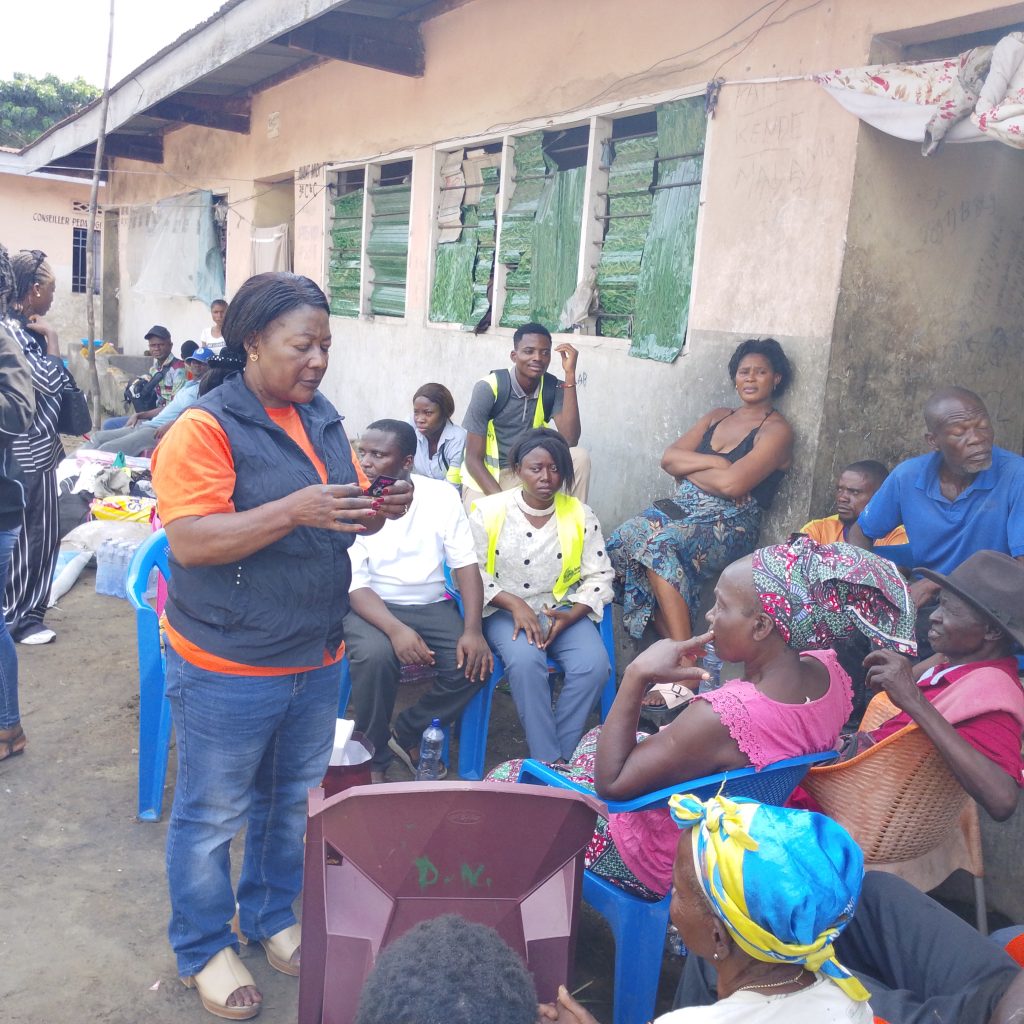
Sexual exploitation and sexual violence is among the serious problems to women IDPs in Maluku who are victims of Mobondo ethnic conflict since 2022. They live in a severe precocity and are generally involved in survival sex. In order to protect them we organized one day of information session on prevention and protection, but also on livelihood opportunities so that they can create alternatives for survival, we also distributed Condoms and gave them Sanitary Pads among others.
Restoring hopes of IDP Children in Maluku
Playing with children in Maluku who are victims of Mobondo ethnic conflict and who have been left without support and help.
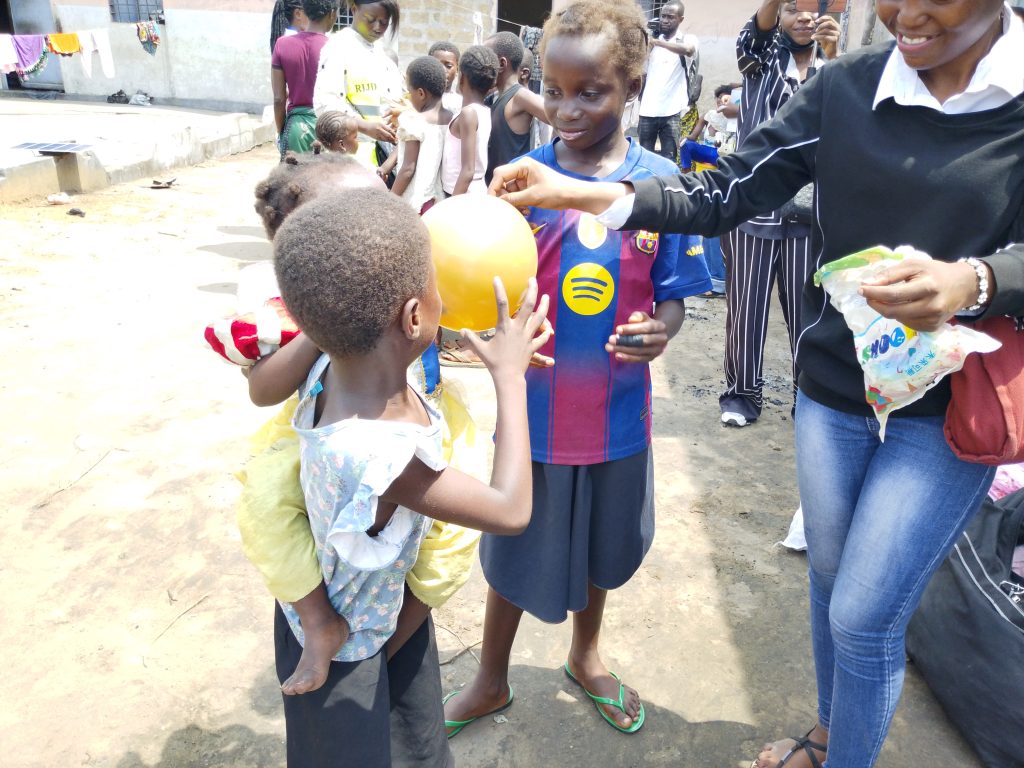
These children have been here for more than two years now, most of them do not go to school, they lost things they used to do and at a certain did no longer know that they can play using different things, so that they can feel they as equal as other children in Maluku who have their parents to provide for them. We also managed to spend a whole playing with them and helping to forget about their suffering, this was part of social and counseling activities.
Calling for change in refugee management
Our public call for the reform of the refugee regime during the World Refugees which we organized at the United Nations Conference Hall in Kinshasa on June 24th, 2026
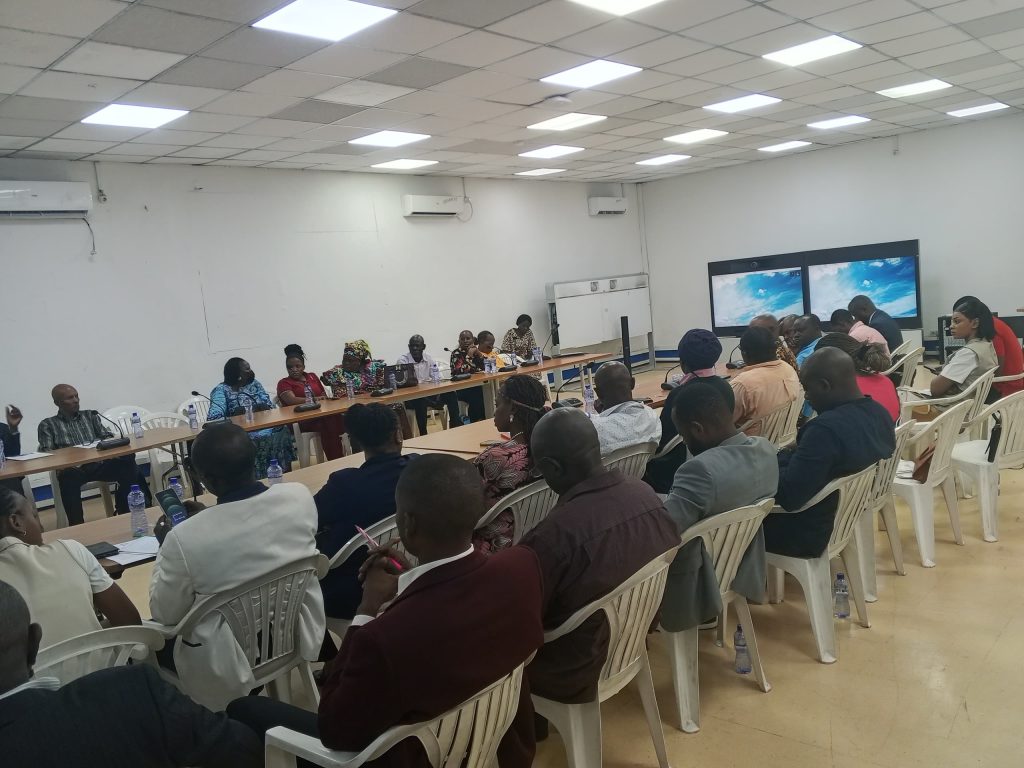
One among issues we are putting forward is the total reform of the entire refugee regime in DRC so that the country may have actors who are committed towards refugee protection. Both the United Nations High Commissioner for Refugees (UNHCR) and the Congolese National Commission for Refugees need to be fully transformed.
This involves recruitment and training of staff that hold neutrality, resist political influence, impartial in the conflicts and focused on promoting the interests of refugees. Efforts should be made in order to introduce to Parliament a new refugee bill and come up with “Congolese Refugee Management System”, allocate funds to actors and involve refugees in their daily affairs at all levels.
Some actors of the Congolese National Commission for Refugees are perceived as having been former armed groups and still represent interests of these armed groups rather than the interest of the country and of refugees, others actors are perceived as having played roles in various refugee rights violations in the past while others are so much ethnical, all these are the causes of the lack of refugee protection in DRC.
The United Nations High Commissioner for Refugees (UNHCR) Officers in DRC are simply political actors perceived as representing interests of some foreign countries. In North Kivu for example UNHCR kept in place officers who are viewed as Rwandans and generally Tutsi in order to work on issues affecting Hutus, in Tanganyika one among the UNHCR Protection Officer is perceived as Tutsi yet the majority of refugees are Hutu and all these do not attract trust among refugees towards their protection.
This is at the border between Rwanda and DRCongo in Goma where UNHCR supports the rebels to deport Rwandan refugees back to Rwanda in total impunity.
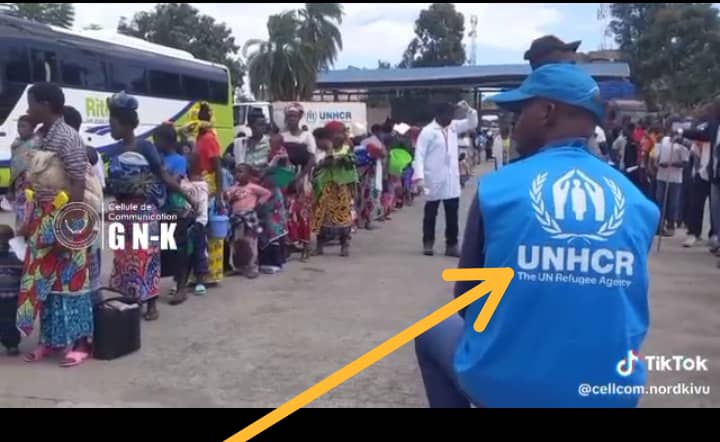
UNHCR has continued losing credibility by taking side towards some government and contributing to refugee human rights violations. In Goma for example UNHCR is highly involved in all operations focusing on the deportation of refugees, UNHCR is even accused of proving the data base to AFC/M23 rebels back by Rwanda. This makes difficult for Rwandan refugees to seek services from UNHCR and on top of that refugees have negative experiences with UNHCR officers in DRC.
Since 2010 UNHCR accompanied states to sign agreements focusing on refugee repatriations exercises and in most cases these repatriations have been forced a coerced, but still UNHCR have considered as the best approaches, and on top of that UNHCR have accompanied states to sign “the Refugee Status Secession Clause” against the will of refugees who present legitimate reasons why they cannot go back.
Media in DRC concerned about UNHCR active participation in refugee forced repatriation to Rwanda in North Kivu, still UNHCR has not changed on contrary Protection team in Kinshasa have defended this as the best for refugees.
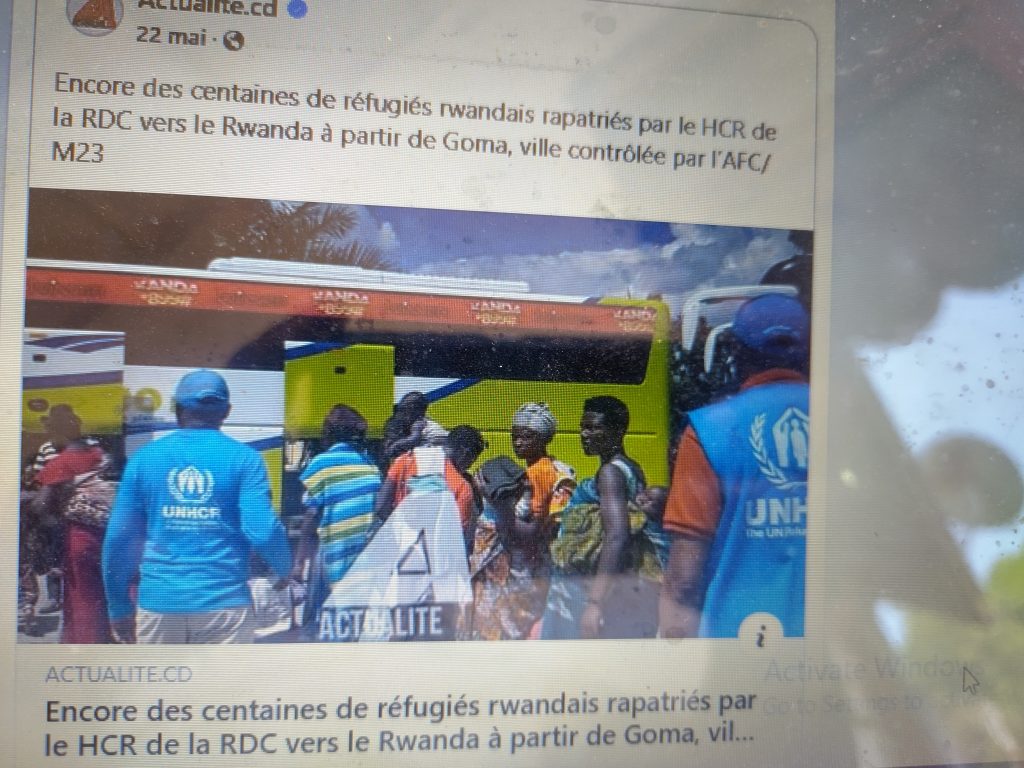
Interactions we have managed to have with actors within the refugee regime have not been the best because they were not receptive to criticism and different ideas in order to improve, some actually do consider us as competitors rather than partners and collaborator.
Engagement with the Civil Society
Joining the Group of Monitoring composed of various organizations partners of the United Nations Human Rights Offices in order to advocate for the inclusion of refugees and IDPs,
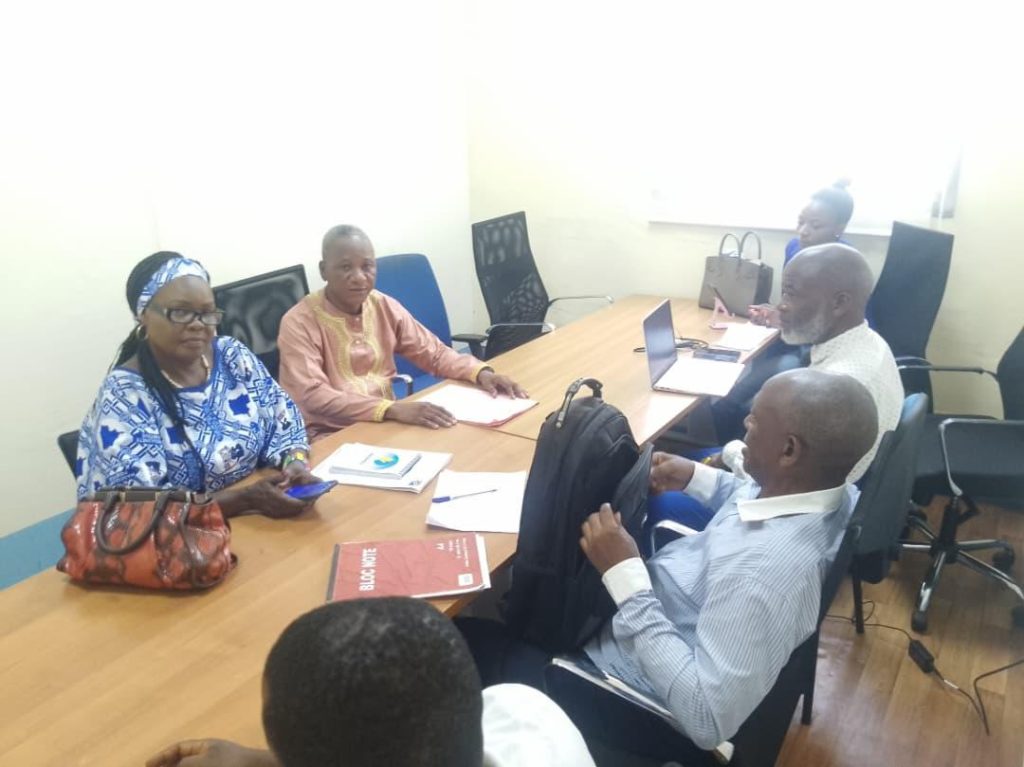
The Democratic Republic of Congo has a very low involvement and participation of the Civil Society in the issues around refugees and this has made refugee protection effort lack a strong backup. Most of the Civil Society Actors lack information and knowledge about refugee issues.
Human Rights Organizations
Engaging stakeholders on IDPs and Refugee Rights as clearly inclusive of human rights and should not be separated, this was at the United Nations Offices Meeting Room in Kinshasa
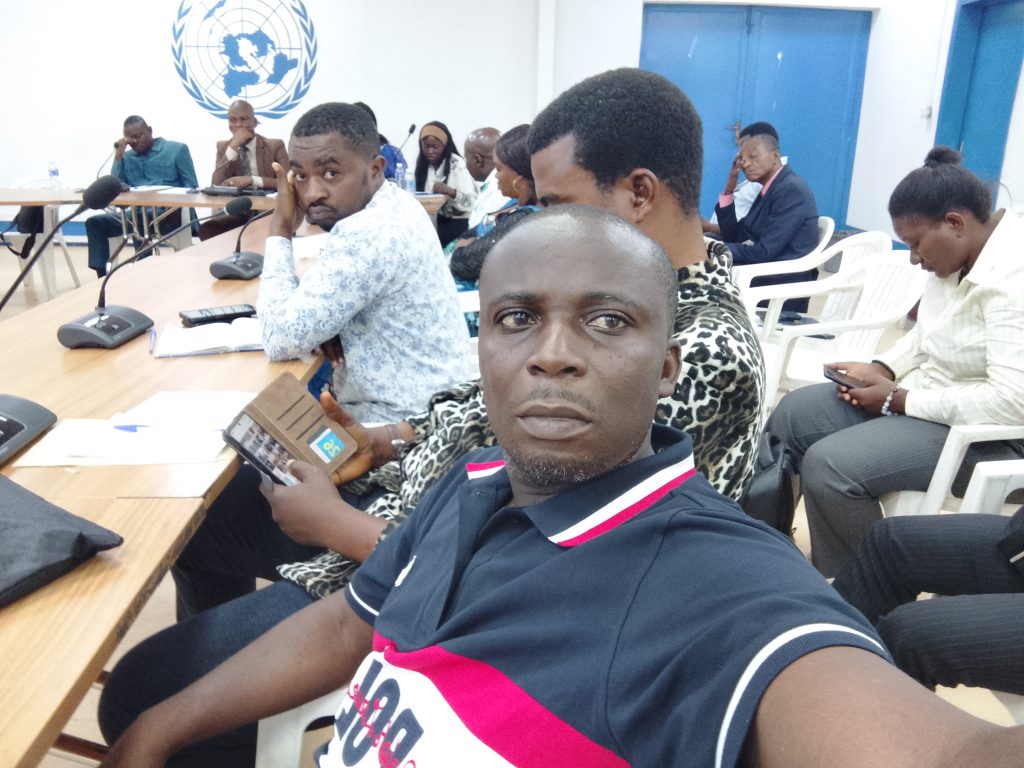
Refugees remain the most excluded in the work of various human rights organizations operating in DRC both national and foreign, and documenting refugee rights violations is not part of their agenda. One officer of the United Nations Human Rights Office in Kinshasa told us “we do not work on refugee right because that is an issue of UNHCR and they should do that” but we argued “UNHCR is not a human rights Agency, and UNHCR does not defend and promote refugee rights, her mandate is limited on the protection of refugees even in this mandate refugee rights are clearly defined”. But the officer did not give us more attention as he argued that he cannot change that and it United Nations orientation.
On the other side, no refugee human rights defender in DRC in difficult situation has been supported by organizations which protect human rights defenders. They all claim that refugee human rights defenders should seek services from UNHCR.
Diplomatic Missions in DRC
Some of the Diplomatic Missions taking part in a public debate on the situation of refugees during the World Refugee Day which we orgized in Kinshasa.
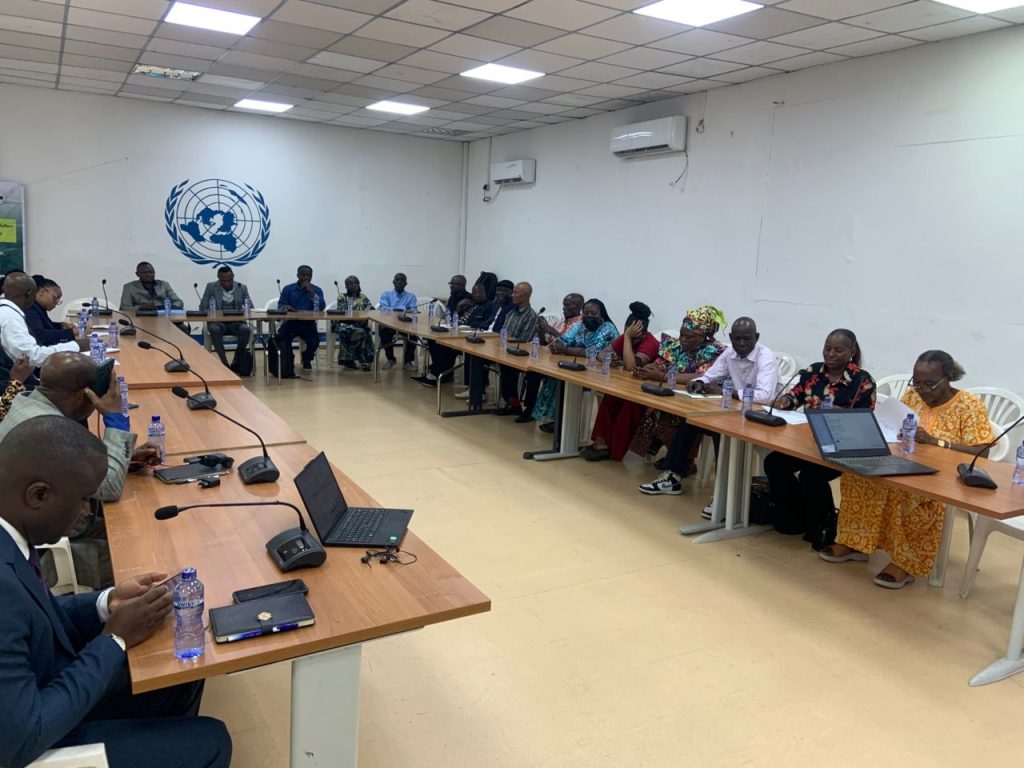
We addressed two letters to Diplomatic Missions in DRC calling upon them to also pay attention on the situation of refugees but not many have responded positively, we have not yet seen any Diplomatic activity aiming at refugees, even at the World Refugee Day all Diplomatic Missions in Kinshasa remained silent, not even a press statement.
Donors
Despite having in place Refugee Led Initiatives, there is no refugee project in DRC which is supported financially by the Donor Community.
Fundraising
Our fundraising campaign has suffered so much because for the last six months now we have not received online donations and this has affected our activities on ground.
Online meetings
This is one among the health centers in Maniema Province, yet the Province has a lot of natural resources and minerals
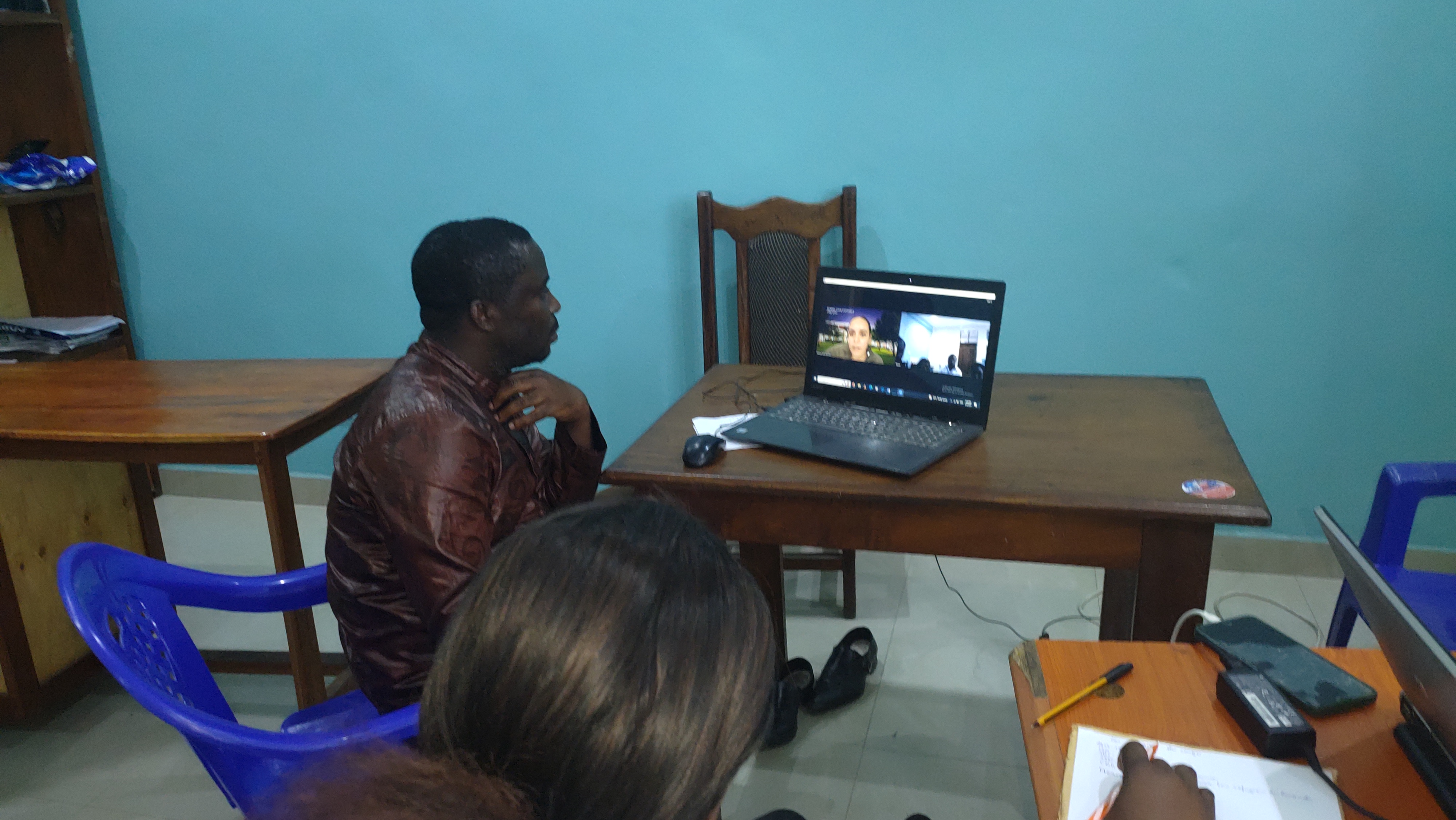
We have participated in 11 online meetings through Zoom and Google meetings where we briefed participants about the situation of refugees in the Democratic Republic of Congo, also our partner COHERE does organize monthly gathering on forced migrants in DRC and we have been able to share information and ideas to participants in this gatherings.
Way forward
It is our hope that this quarterly report may touch you and help to make a move in order to help refugees in the Democratic Republic of Congo so that they may also feel the protection they need. Everyone has a role to play and it is only a collective voice which can address all these challenges and pave the way for a new refugee protection orientation in DRC.
Please come and join us.
Thanks
Kulihoshi Musikami Pecos
National Team Leader/ COJESKI- DRC.


