Brief Report on Refugee Leaders One Day Capacity Building in Kinshasa -DRCongo
-
by
cojeski
- No Comments on Brief Report on Refugee Leaders One Day Capacity Building in Kinshasa -DRCongo
Refugee Leaders Training in Kinshasa on their roles for change in their communities
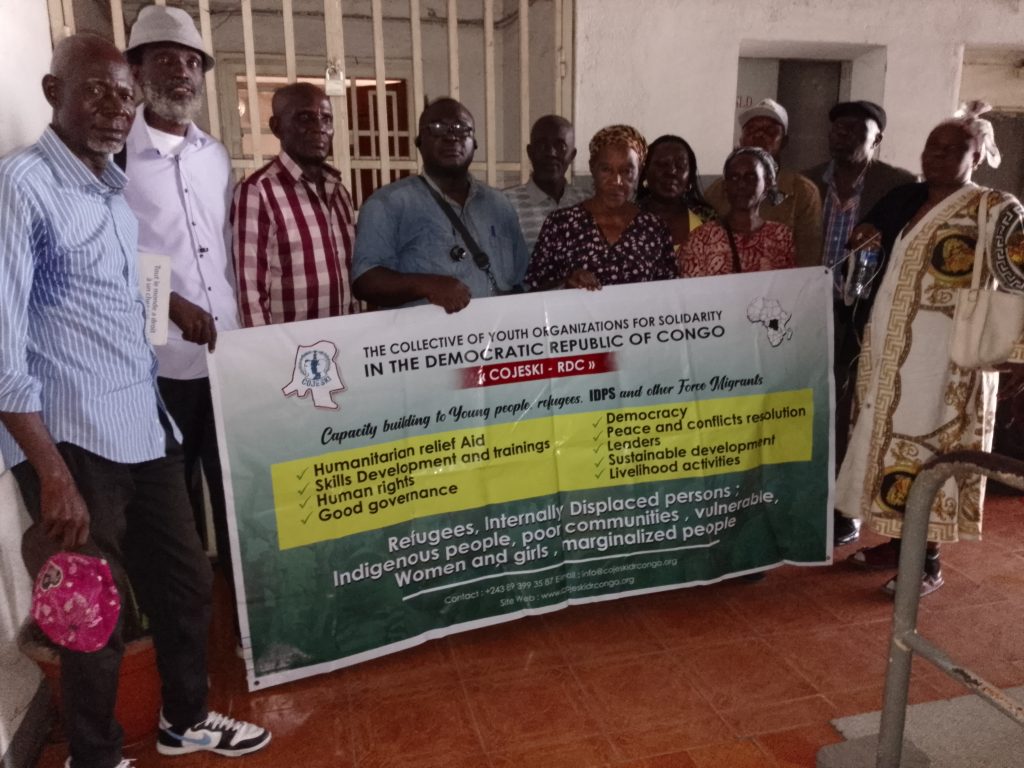
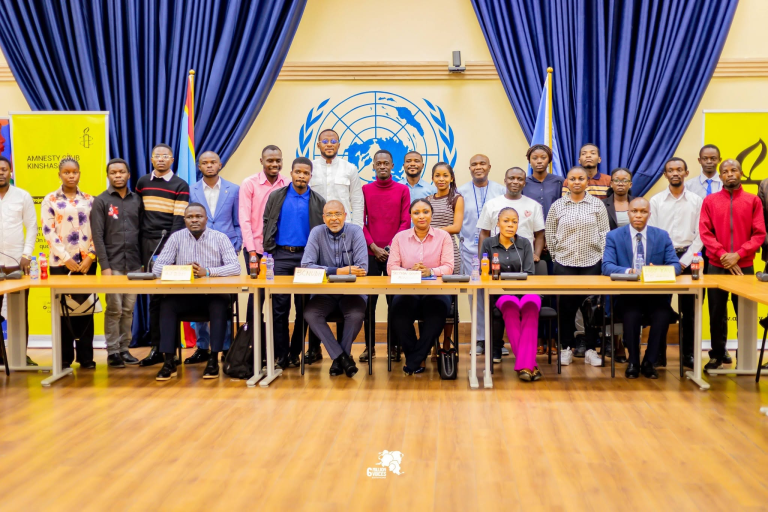
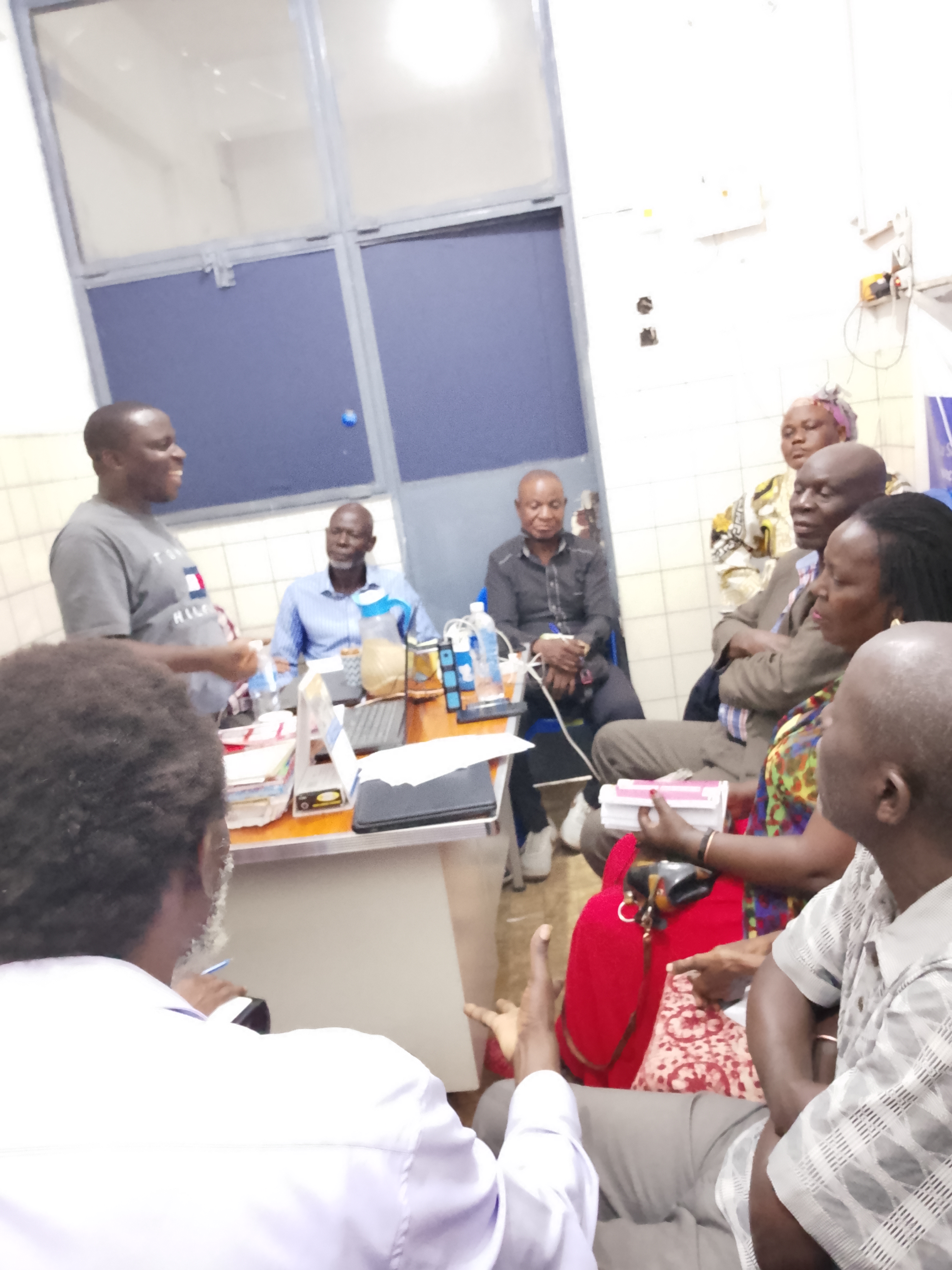
On Thursday July 16th, 2026 we organized a Capacity Building Training which brought together 15 Refugees Leaders living in Kinshasa, the Democratic Republic of Congo, the one day training was held at our offices and facilitated by Kulihoshi Musikami Pecos, our National Team Leader. It was under the theme: Refugee leaders are the first change makers in their communities.
This is part of our series of activities aiming at empowering refugee leaders and other members of their communities in order to get involved in providing solutions to challenges refugees are facing in the Democratic Republic of Congo. Refugees in DRC lack initiatives and organizations which can put them together, yet they have a very good enabling environment which can help them to move and become change makers.
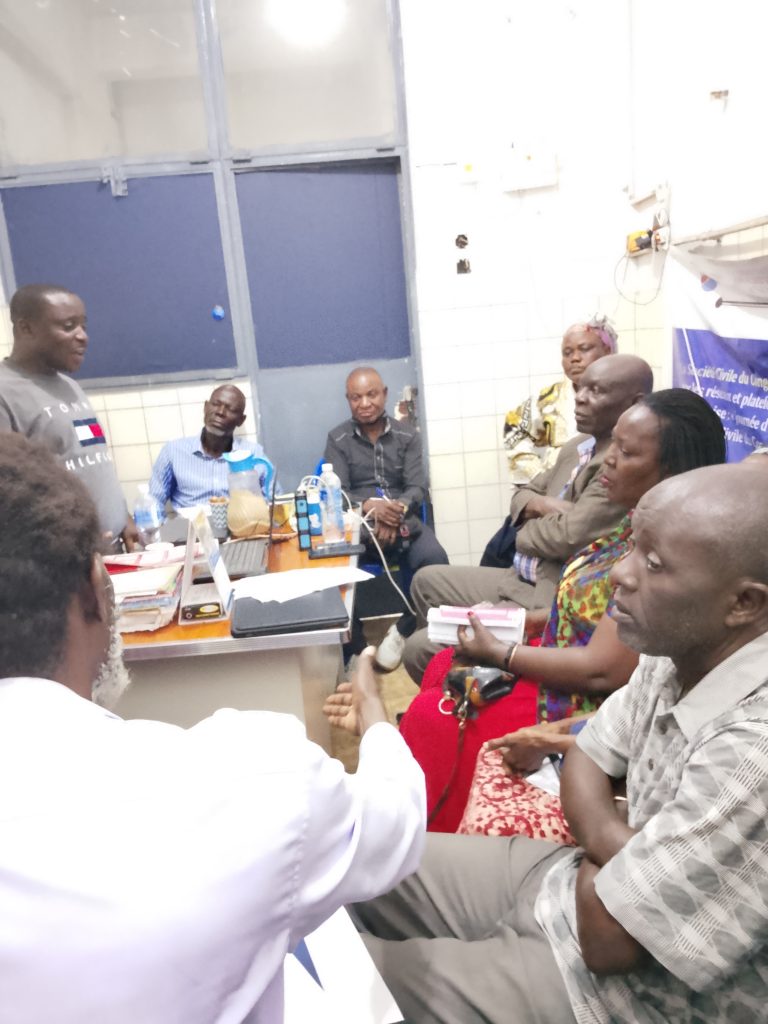
While they are confronted with many problems they all think that magical solutions will come from UNHCR as they position themselves as mere beneficiaries. We are now engaged on challenging this perception in order to help them get organized better so that they can fellow refugees.
Participants included 6 women, one young girl and 8 men among them one young man and they were composed of those from Rwanda, Burundi, Angola, Republic of Congo and South Sudan.
The training started a wider background on history of refugees, and efforts that were made in their protection. This intended to help them that refuge is part of our human history and should be not viewed as a curse or God’s punishment, taking it as normal helps refugees to be proud of themselves and stop blaming themselves or blaming the refugee status.
After than the 1951 Geneva and the 1969 African Union Conventions were introduced to participants, with particular attention on some articles which are at the center of the whole refugee protection. More attention was put on the definition of a refugee in order to provide the audience with accurate information and combat wrong information which they had, this also looked at the criteria in order to be called refugees, the obligations of the states to grant a refugee status, the place of residence of refugees, and the mechanism for appeal.

The statistics of refugees in the world were presented as well as the statistics of refugees in the Democratic Republic of Congo which rose debate because thousands of refugees are not recognized up to now. Issues were raised about refugees who have been waiting for more than 10 years in order be granted a refugee status, those who were rejected and have not been successful in their appeals and other cases.
Participants were also introduced to the politics of refugees in DRC, actors in the refugee protection and the DRC refugee law but also the priority of the refugee regime centered in the repatriation of refugees as the only solution. The aim of this was to help these leaders to fully understand the gaps and start thinking how best they can address them as part of their advocacy.
More attention and sharing was focused on refugee rights and refugee duties which were clearly explained as well as issues connected to their relationship with the host communities. This also focused on documenting refugee rights violations and reporting in order to create evidence based approach for advocacy.
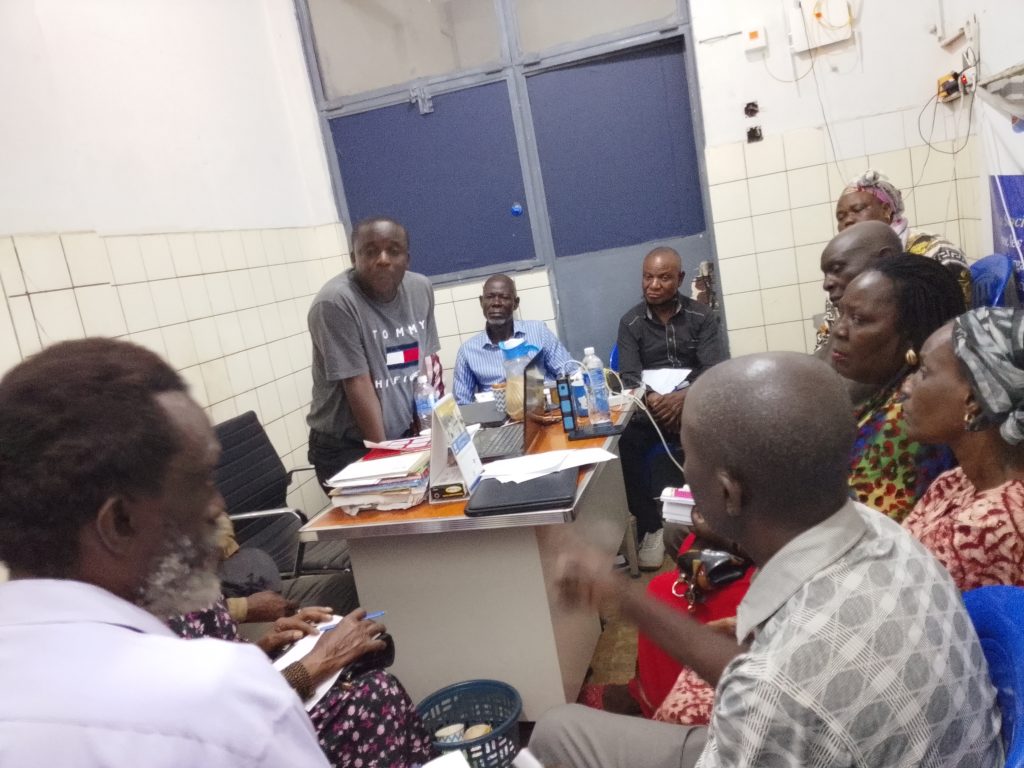
The training ended with the networking, and actors who are potential stakeholders in the refugee affairs where they can share their concerns.
Our next training will be done in September 2026.