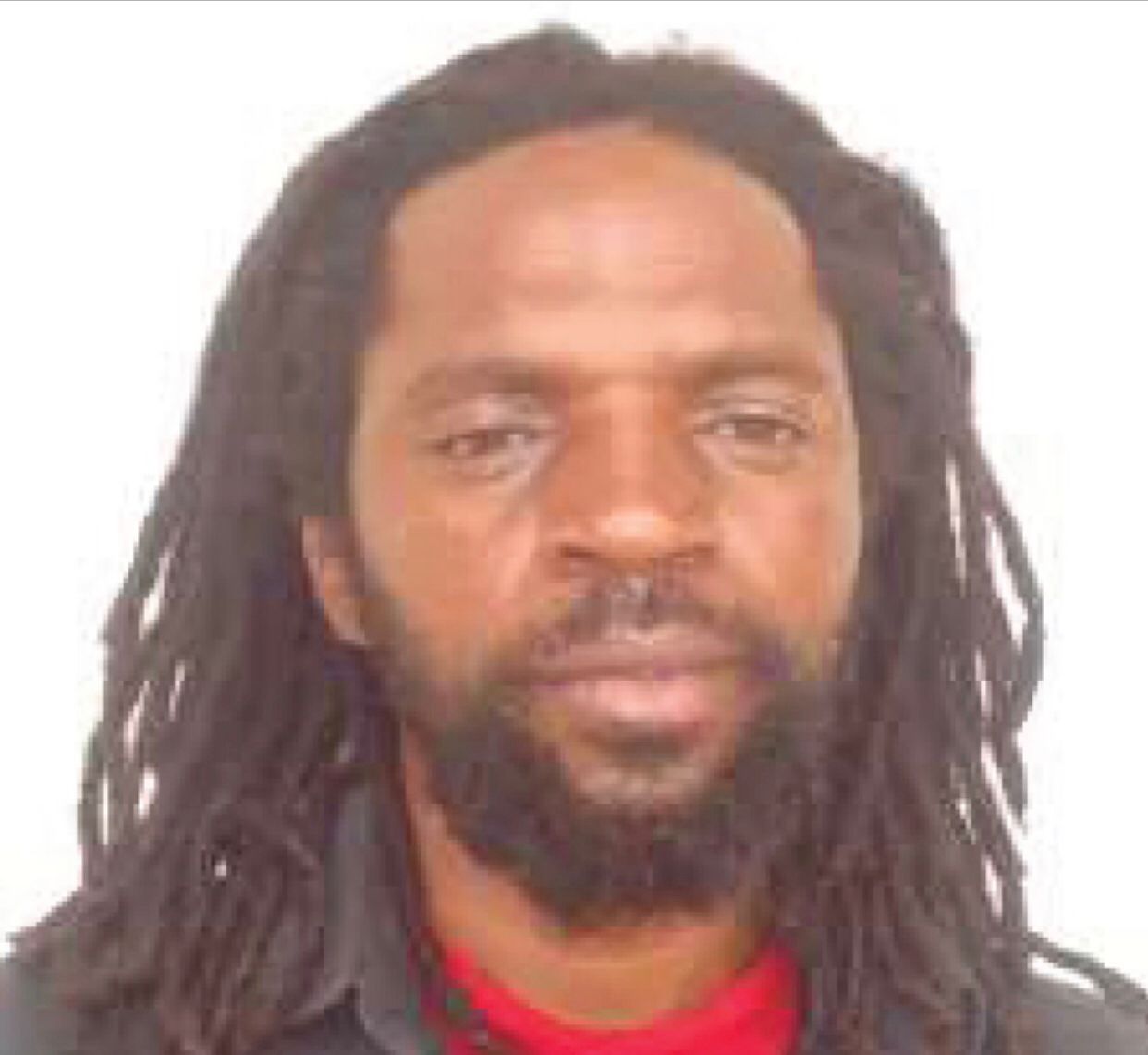
The most blacklisted and blackmailed Refugee Human Rights Defender in the world is Rasta in Uganda
-
by
cojeski
- No Comments on The most blacklisted and blackmailed Refugee Human Rights Defender in the world is Rasta in Uganda
THE JOURNEY OF FIGHTING FOR REFUGEE RIGHTS IN UGANDA: Commemorating the International Human Rights Day on December 10th, 2025. Looking at the most criminalized Human Rights Defenders in the world.

In solidarity with Musilikare Hirari Marcel, commonly known as Rasta, a vocal Refugee Human Rights Defender in Uganda. Rasta is one among the few remaining active Refugee Human Rights Defenders called “radicals” meaning those who refused to compromise with Uganda Government.
This is the price which he has paid:
Isolated: Various actors including the Government of Uganda, the UNHCR, and some Human Rights Organizations have used the strategy of isolation against Rasta which aim at making pressure on his friends, his fellow refugees, his wife and his relatives to take distance from him, on ground that if they keep on associating with Rasta they will not get any support in terms of humanitarian relief aid and resettlement. Such messages are spread all over calling upon fellow refugees to distance from Rasta.
Blackmailing: Well generated fake stories and fake news about Rasta is highly generated and widely spread showing him as the most dangerous refugee in Uganda to avoid. In some institutions, officers generate these fake news and spread them to each refugee and other stakeholders they come across with, to the point that there is no single office that has offered services to Rasta and there is no single office willing to offer services to Rasta.
Blacklisted: Rasta is among highly rejected Refugee Human Rights Defender, this is generally one among the strategies used by Rwanda’s Government, and various officers are in various institutions and organizations in Uganda working hard to ensure that Rasta does not a space where he can get services when he is in need. Even Human Rights Organizations have been initiated in these campaigns and without fair judgment they have submitted Rasta to the trial Chamber in their offices, passed a harsh sentence against Rasta not to support him, and have never even given opportunity to Rasta to defend himself.
On this Day when we commemorate the Human Rights Day, let us remind you the need to fair trial, the need to offer justice to those who are mostly ignored, the need to stay in solidarity with HRD in difficult situations especially those who appear voiceless, those who are criminalized because of their position to stand for human rights and those who will never be brought forward of an Award.
MUSILIKARE HIRARI MARCEL
Background
My name is Musilikare Hirari Marcel, 52 years old. I am a Rwandan refugee and a Human Rights Activist advocating for refugee rights in Uganda since 2007, especially the rights to full protection and free from persecution.
I began my work defending refugee rights in my home country, Rwanda, after the war in 1994, when I witnessed a large number of people being imprisoned without cause, arrested without due process, disappearing without trace, and being killed in prisons and “Safe Houses” with no accountability.
All Human Rights Organizations in the country were ordered to shut down. Those who worked with them were either killed, disappeared, or forced into exile — and even then, the Rwandan government continued to hunt them down and persecute them abroad.
I started then publishing some small articles and brief reports about human rights violations in Rwanda, which attracted the attention of some actors to the point that they gave me a space to publish more about my work.
I published many articles exposing how citizens were continuously persecuted for demanding justice for their relatives who were killed by the Rwandan Patriotic Army (RPA/FPR-Inkotanyi) and President Kagame himself. Properties were seized from rightful owners, and people were falsely accused of genocide in order to silence them — especially among the Hutu ethnic group. As for some Tutsis, they were forced to work with the regime in order to fabricating cases against officials that Kagame wanted to remove. Those who resisted were accused of embezzling public funds, betraying the nation, or plotting a coup d’etat in collaboration with armed opposition groups.
I was arrested by Rwandan government authorities on May 13, 2007, after publishing an article titled: “In Rwanda, The Dance That Kagame Begins Is the One Citizens Are Forced to Follow”.That article spread widely through online media (social media), which triggered panic within the regime, leading to my arrest. After being tortured by security forces, I managed to escape from a known torture house located in Gikondo CID, also known as “Kwa Gacinya.”I then fled to Uganda, where I was granted political asylum in 2008.
How I Started Advocating for Refugees
The life of a refugee is filled with severe injustice, much of which remains hidden from the public eye. In most cases, refugees are only helped on paper, but when you look closely, you realize the refugee issue has become a “hot loaf of bread” served on the table — a lucrative opportunity for some. Refugees are betrayed, kidnapped, and forcibly returned to the countries they fled especially to Rwanda. In extreme cases, they are even shot in broad daylight in Uganda.
In 2008, I published a report exposing how some individuals responsible for protecting refugees were instead leading efforts to violate their safety and freedom.
There are many examples:
1. Refugees, both in camps and in urban areas, were abducted.
2. UNHCR staff were accused of demanding sex in exchange for services from female refugees and young girls, promising them help that was supposed to be free.
3. The healthcare system for refugees was failing, with many patients left unattended, leading to unnecessary deaths.
4. Refugee youth roamed the streets begging, while the government continued receiving aid meant for them — aid that ended up in the pockets of corrupt officials.
In Uganda alone, I documented 152 Rwandan refugees who were abducted and killed, including many who were openly shot dead at the Nakivale Refugee Settlement in Isingiro District. To this day, their bodies were dumped in a mass grave where the current UNHCR office now stands, without any honorable burial or notification to their families. This massacre took place in a joint security operation by Ugandan and Rwandan Authorities on October 14, 2010.
UNHCR has frequently been mentioned in testimonies for complicity, and together with the Office of the Prime Minister (OPM), has been accused of systemic discrimination—especially by denying refugee status and basic services to asylum seekers from Rwanda. Many were rejected without assistance, both in camps and urban areas such as Kampala. It appears Uganda continues to enforce Rwanda’s 2016 decision to revoke refugee protections for Rwandan nationals.
MUSILIKARE HIRARI AND HUMAN RIGHTS ORGANIZATIONS IN UGANDA
Most human rights organizations I approached were hesitant to support Rwandan refugees due to the close collaboration between the Ugandan and Rwandan governments. As a result, Rwandan refugees remain neglected and unprotected. One day this man from Amnesty International told us “We cannot risk services to all thousands of refugees from other countries in order to defend Rwandan refugees in Uganda who are highly persecuted by the government”.
I can still remember some key events, one day we had a meeting with a Diplomate of the European Union in Kampala and during the meeting he told “yes we understand and thanks for the evidence you have provided us, but look here, the European Union has a lot things is doing with Uganda, so we cannot affect our relationship with Uganda because of you, especially that what we have discussed is not in line with our Diplomatic orientation with Uganda”.
Although this work is difficult, I have never given up.
To date, I have been arrested more than 21 times, detained in undisclosed locations 8 times, jailed in major prisons 3 times, and constantly threatened by high-ranking security officials — threats that have become part of my daily life.
The reason is simple: to silence and extinguish, The Voice of the Voiceless.