Rapport of the first phase of trainings to beneficiaries in Kalemie City, Tanganyika Province- DRCongo
-
by
cojeski
- No Comments on Rapport of the first phase of trainings to beneficiaries in Kalemie City, Tanganyika Province- DRCongo
ACTIVITY REPORT OF THE CAPACITY BUILDING SESSION FOR YOUNG VICTIMS OF ARMED CONFLICT AND REFUGEES IN KALEMIE, TANGANYIKA PROVINCE/DRC, DURING THE PERIODS OF 16-17 MARCH 2026 AND 23-24 MARCH 2026
Background information
The City of Kalemie is the main city of the Province of Tanganyika located in Eastern DRCongo. It is part of others which were cut off from the former big Katanga and became a separate province in 2015. Being new it lacks the necessary development programs such as water, roads, electricity and other infrastructure which people need.
For many years Tanganyika Province experienced a deadly ethnic conflict between Bantu and Twaa (Pygmies) which devastated many parts and forced thousands of people to leave their villages in order to live in Internally Displaced Camps. However since 2022 the war ended in many parts and people started returning to their former villages while others stayed in Camps for precaution. Unfortunately those who returned did not benefit from measures which should ensure their local integration in their villages, most of them remained vulnerable and too poor in the villages where they lack the very basic needs.
By 2025 Tanganyika Province had 11 Internally Displaced Persons Camps among them 7 were on list of those being phased out but all humanitarian actors left and as per IDPs are living on their own and wondering what they should do. Now with the war in North Kivu and South Kivu thousands of people fled and are now in various camps around Kalemie, on top of that, Tanganyika hosts also refugees from Rwanda and Burundi living together with the host communities and without relief aid.
In brief Tanganyika Province is facing a humanitarian crisis and urgent interventions are needed in order to restore the situation, especially various efforts to invest in human resource which the province needs in order to develop.
- Context and justification.
In a context marked by the persistent effects of armed conflict in the Democratic Republic of Congo, many young people, particularly refugees and internally displaced persons (IDPs), face major challenges to socio-economic integration. They become victims of all forms of exploitation, and their rights are massively violated.
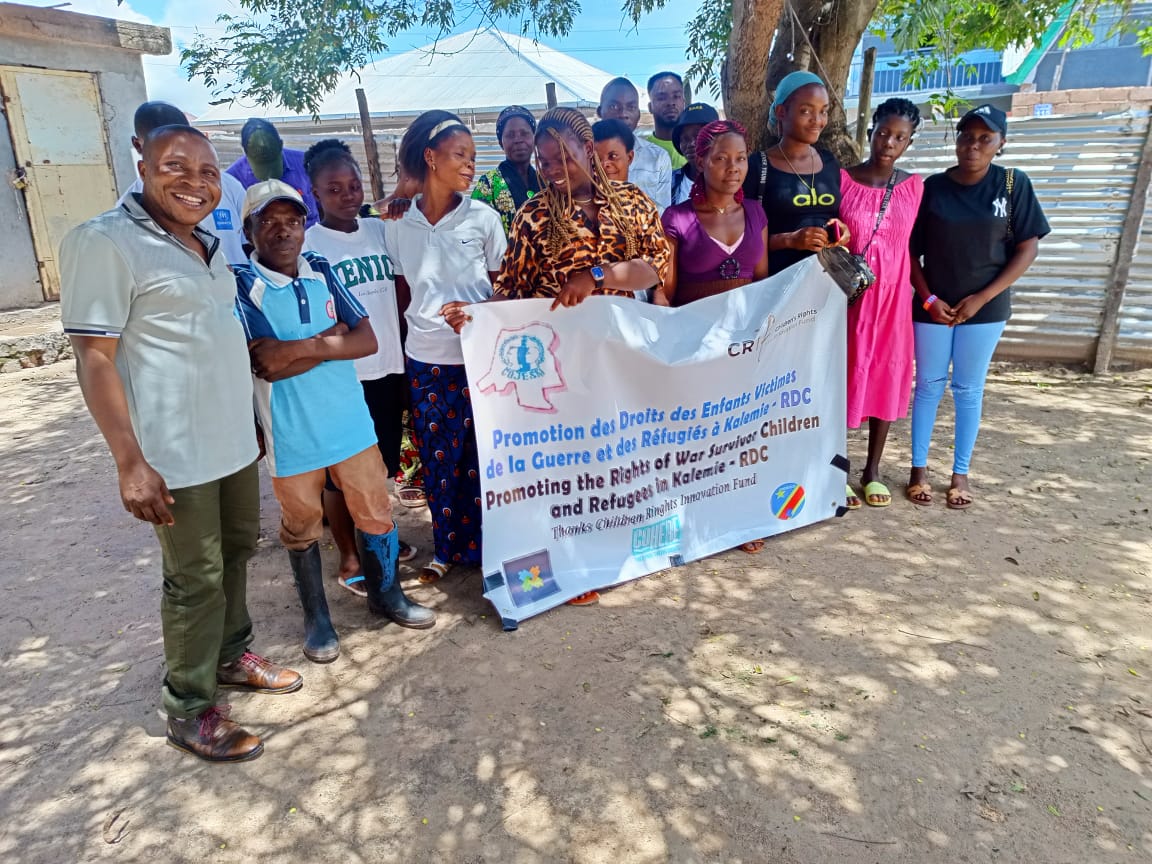
Having benefited from a Children’s Fund Rights Innovation Fund (CRIF), COJESKI-DRC works to strengthen the capacity of these victims to finally defend their rights.
This is why COJESKI-DRC organized these sessions in order to strengthen the capacities of young beneficiaries, promote their economic empowerment and improve their knowledge of fundamental rights.
- Goals
- Overall objective: To contribute to the socio-economic empowerment of young people, and to raise their awareness of how to effectively defend their rights.
- Specific objectives:
Training on Village Savings and Loan Associations (VSLAs),
Introduction to entrepreneurship,
raising awareness on women’s rights and gender-based violence,
Training on the creation and governance of non-profit organizations.
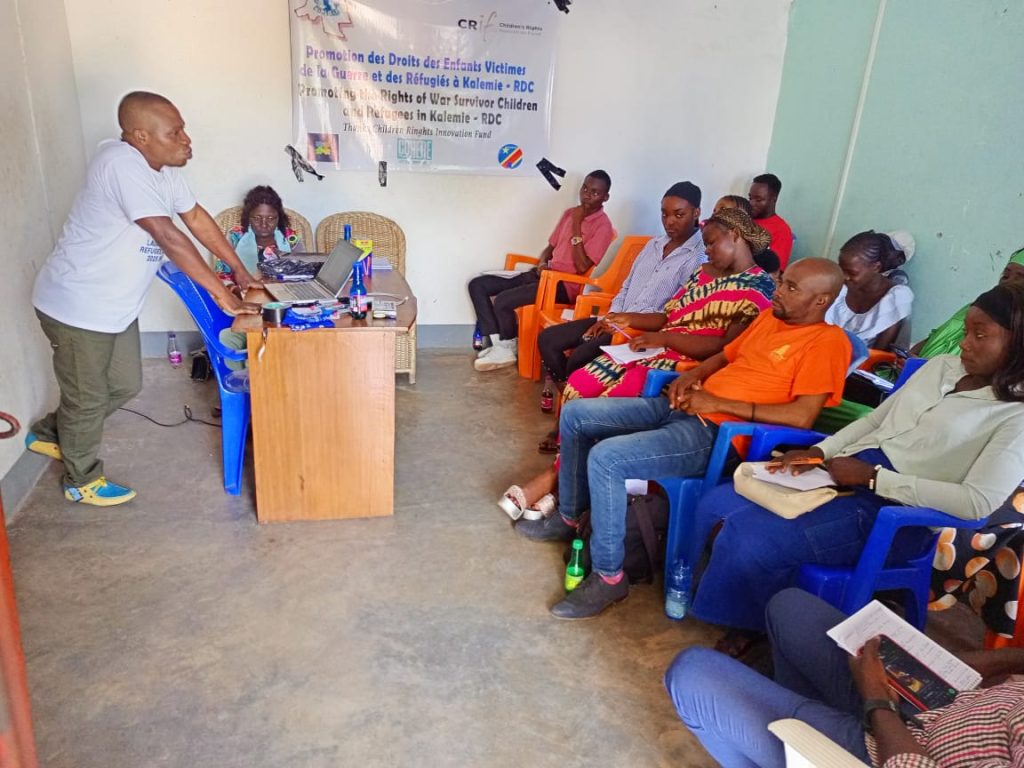
- Activities will proceed as follows :
Session 1 (March 16-17, 2026):
– Setting up a Village Saving Group
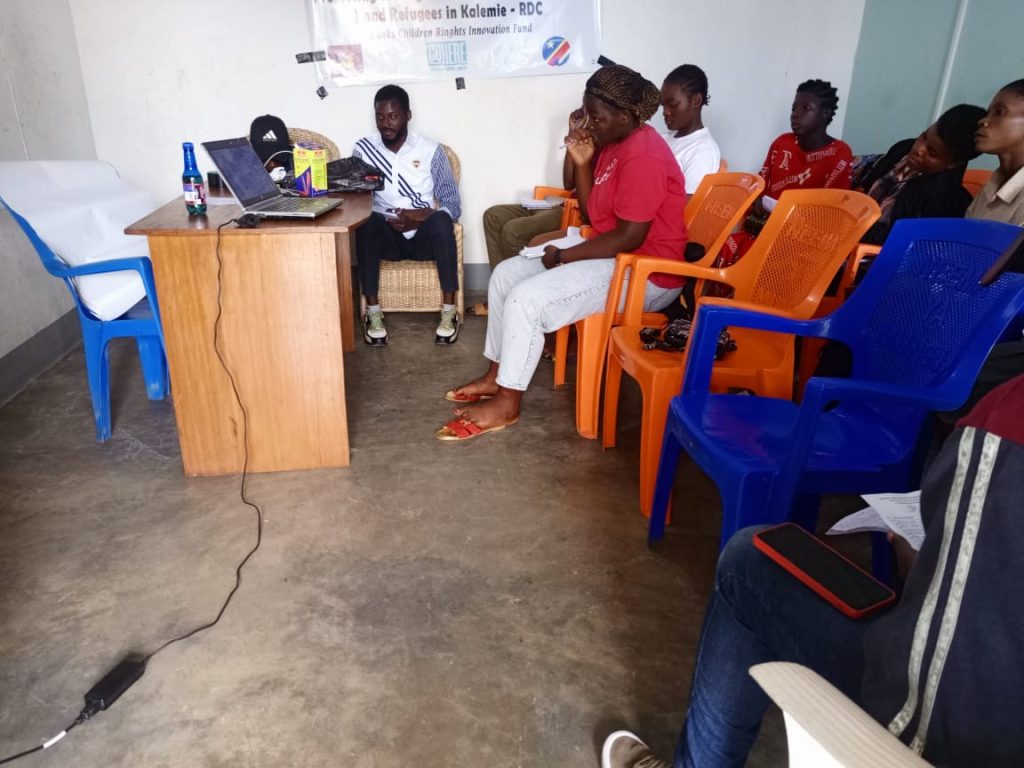
The session introduced participants to the fundamental concepts of a Village Savings and Loan Association (VSLA), its creation and management, its advantages and risks, and encouraged participants to form VSLAs in their communities.
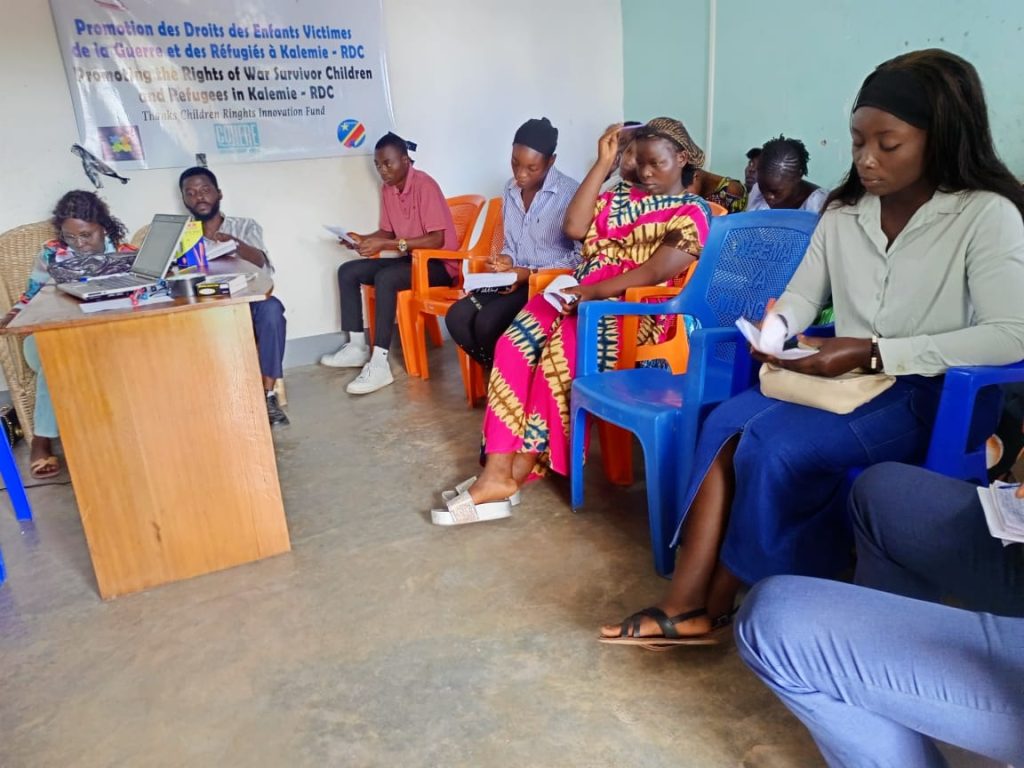
- Entrepreneurship and Business Plan
To prevent young people from simply waiting for everything, the alternative solution of entrepreneurship was also carefully introduced, allowing them to develop innovative solutions to various community problems. The idea was to strengthen participants’ ability to take on roles by implementing solutions to the population’s various problems through entrepreneurship, and also to further empower young people.
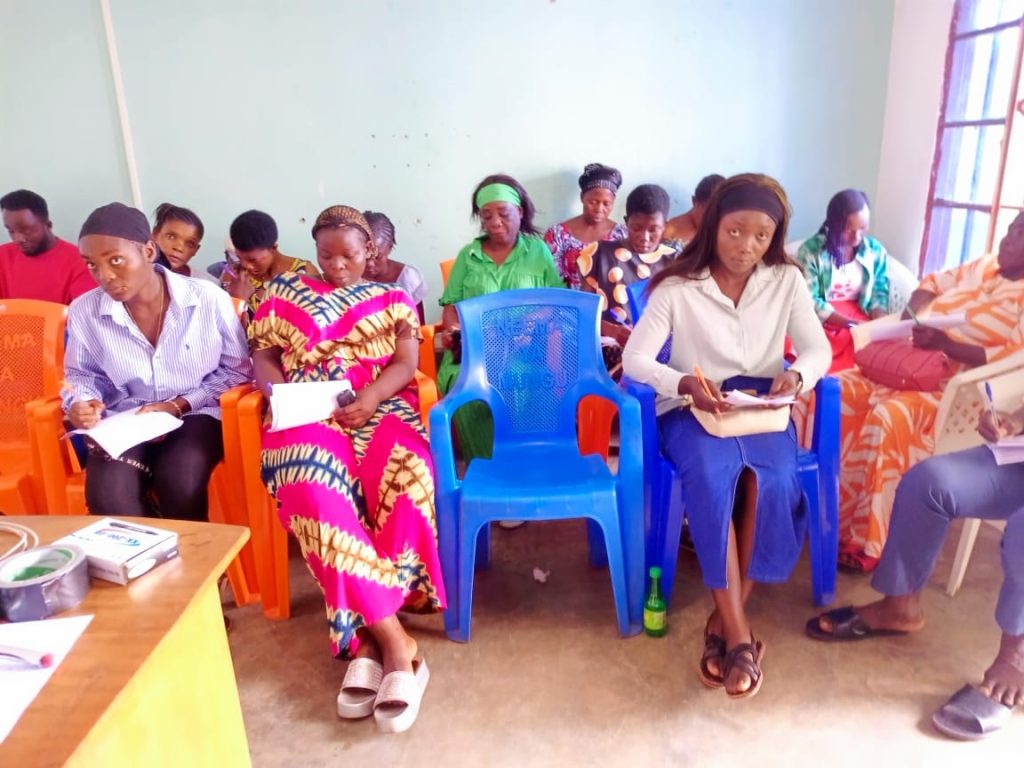
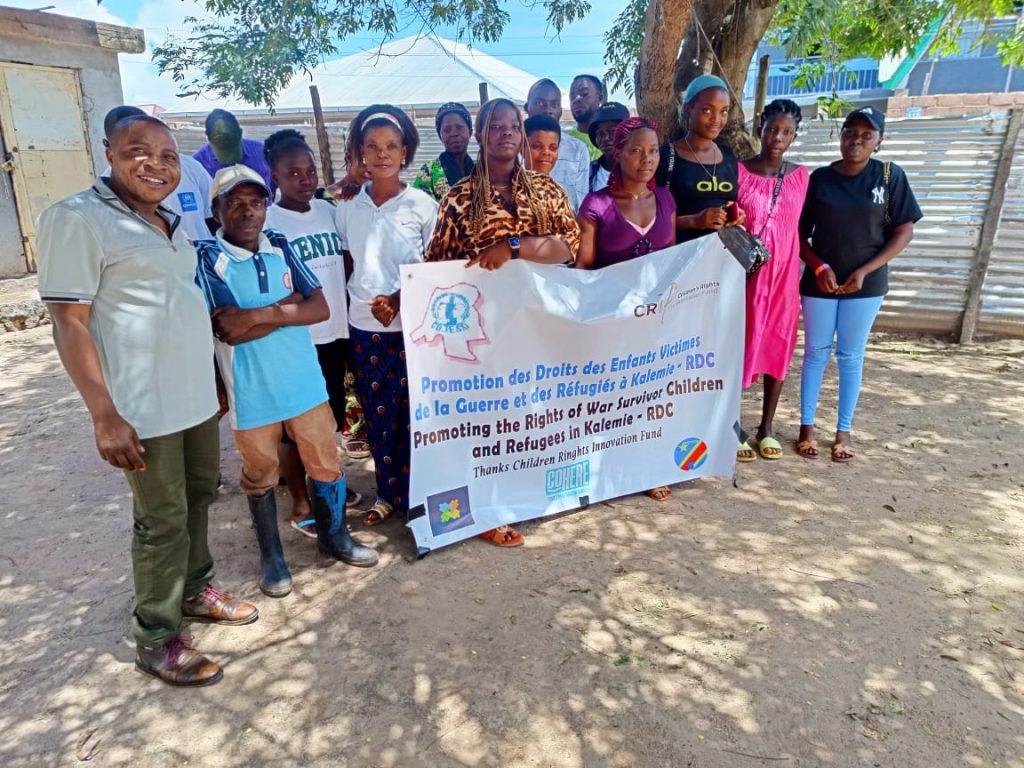
Testimonial photos:
- Session 2 (March 23-24, 2026):
– Women’s rights
– GBV and prevention – Creation and governance of non-profit organizations.
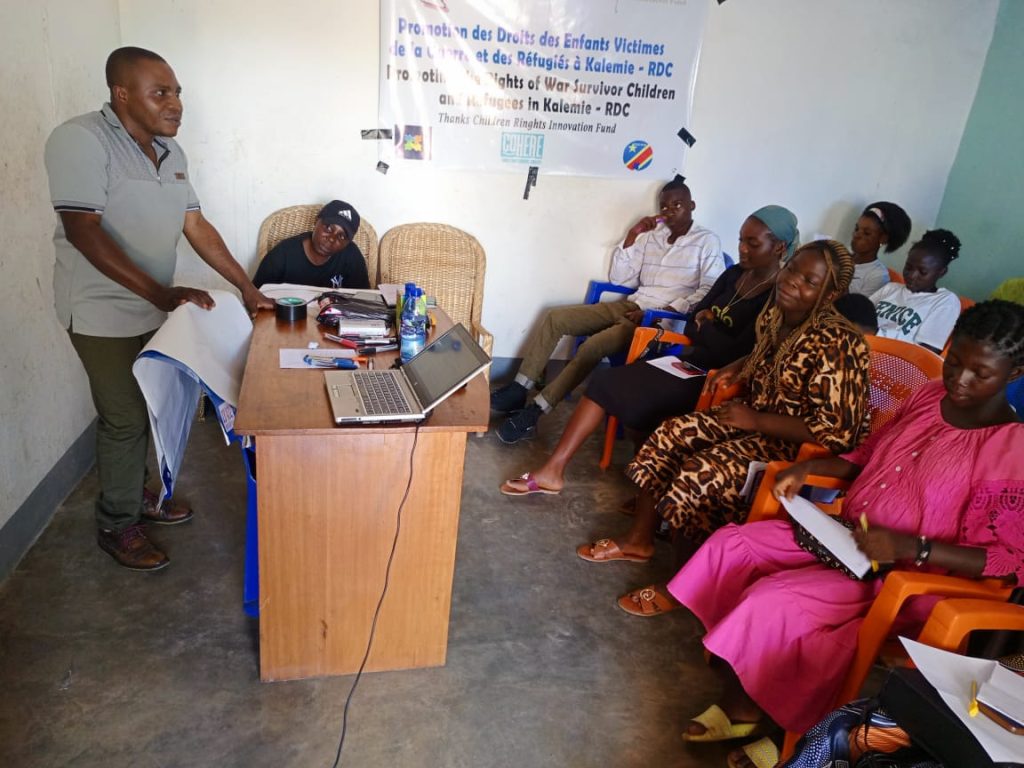
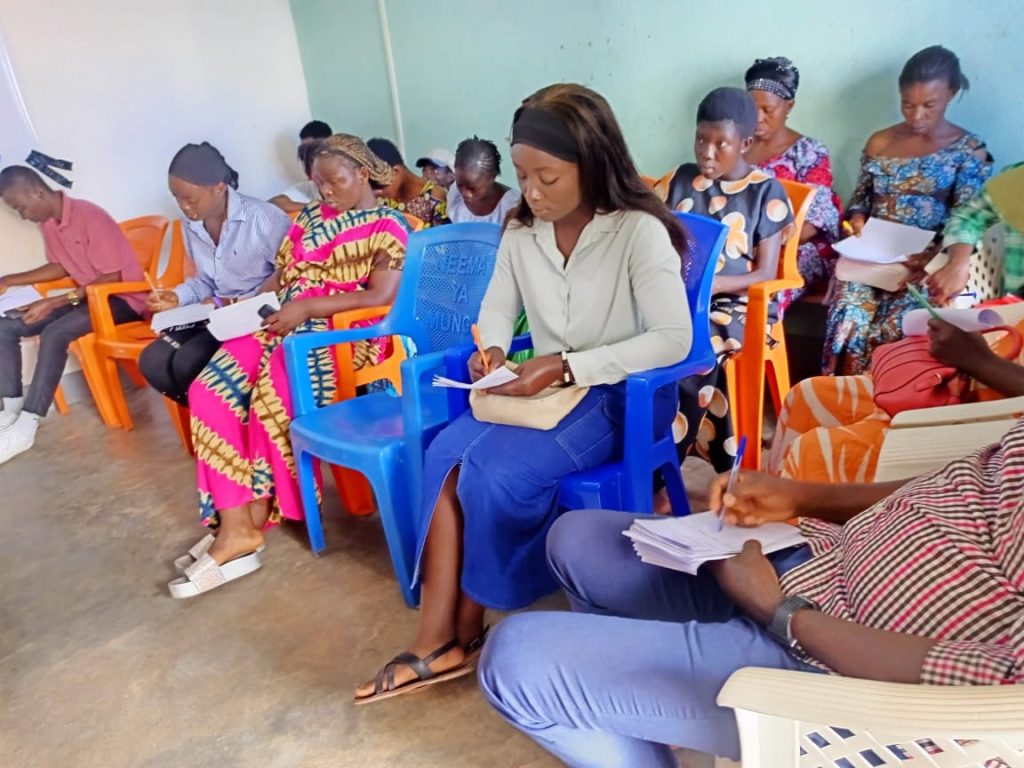
The session began with a general overview of human rights, the various human rights violations, methods of human rights claims, and a particular focus on women’s rights. Attention was given to women’s civil and political rights and gender-based violence (GBV).
- Methodology :
Throughout all activities we considered: interactive presentations, group work, case studies, practical simulations and participatory discussions.
D. Results:
- 20 Young People formed ;
- Enhanced skills in Village Saving and Loan Association and entrepreneurship;
- Raising awareness about women’s rights and gender-based violence,
- Foundations acquired for the creation of a non-profit association,
- Difficulties:
During the execution the following difficulties were encountered during these activities:
- Lack of certain equipment. E.g., projector, notebooks for participants,
- Logistical constraints. E.g., lack of visibility for the implementation team , inconsistencies in Calico …
- Insufficient transport for participants, as well as other needs such as water and equipment.
- The training took place at the COJESKI-DRC office in Kalemie, which was not the most appropriate setting.
- Unable to mobilize at least 3 facilitators to provide training on each module,
- Insufficient time was allocated to each module due to logistical constraints.
- The material covered in each module was something new to the participants.
8. Recommendations
– Make visibility available to the implementation team,
– Organize follow-up activities and mobilize more financial resources,
– Provide financial support for initiatives,
– Strengthen/increase training opportunities,
– Extend to other areas, especially different territories.
9. Conclusion
The activities have effectively equipped young people and contribute to their socio-economic resilience in Kalemie, Tanganyika province/DRC.


