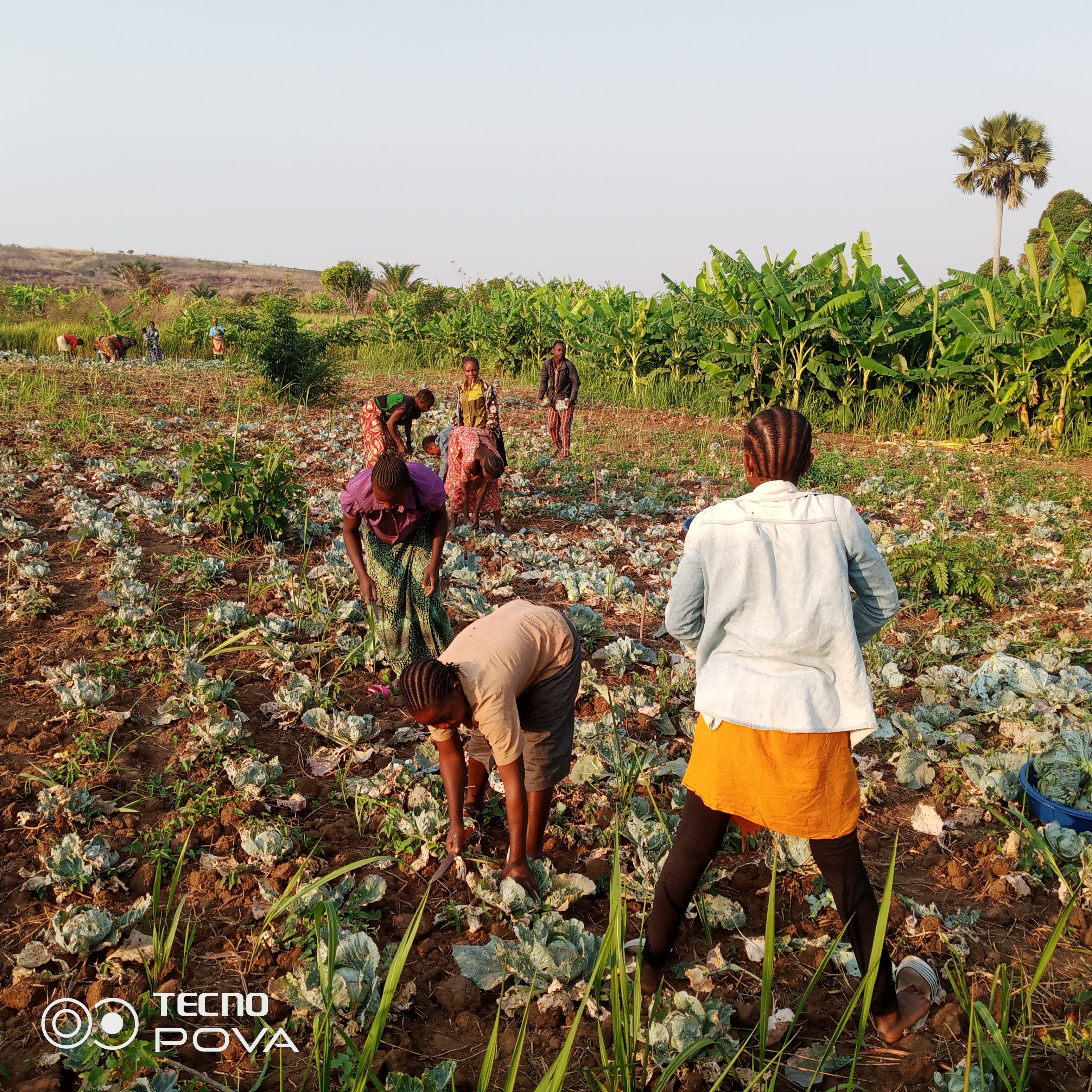
Ending our very first stage of the agriculture project in Kalimie City-Tanganyika Province
-
by
cojeski
- No Comments on Ending our very first stage of the agriculture project in Kalimie City-Tanganyika Province
Harvesting the first crops of our agriculture project in Kalemie City, Tanganyika Province
The Democratic Republic of Congo has millions of Internally Displaced Persons (IDPs) more than 10million now, and over than 4million of refugees who remain undocumented. Many of the forced migrants live on their own without relief aid, generally informal agriculture and small businesses play vital roles in order for people to survive.
In our various activities to help them we realized the proximity between poverty, vulnerability and displacement which are connected and cannot be disassociated. However we have also observed that many forced displaced persons and refugees in DRC are living in places which have opportunities especially fertile land and small income generating activities which both IDPs and refugees can capitalized for their livelihood activities.
In our efforts to fight against poverty and vulnerabilities among refugees and IDPs, we have now engaged in Agriculture and small income activities.
We started with the first communal agriculture in Kalemie where both refugees and IDPs joined hands and as per now we have ended the first stage. This land we hired in Kalemie was first of a communal land aiming at bringing people together and contribute to create bondage among the forced migrants, help refugees and IDPs to learn how best to improve their agriculture activities and encourage people to see that agriculture can bring livelihood solutions.
In total 42 people mainly women and young girls were involved in this first stage from the beginning up to the end, and acquired practical ideas on how to improve their agriculture activities. We hope that each person will be able to use these skills for their own development in order to produce food which is enough for themselves.
The next step which in soon coming will also bring on board other refugees and IDPs to explore and learn more skills in agriculture in order to produce more food which can be exported to local Markets in Kalemie. These efforts will also involve looking at other types of crops which can be brought in and what can be innovated in the field.
We thank so much our partner COHERE and Qaudrature Climate Change which provided the funding.
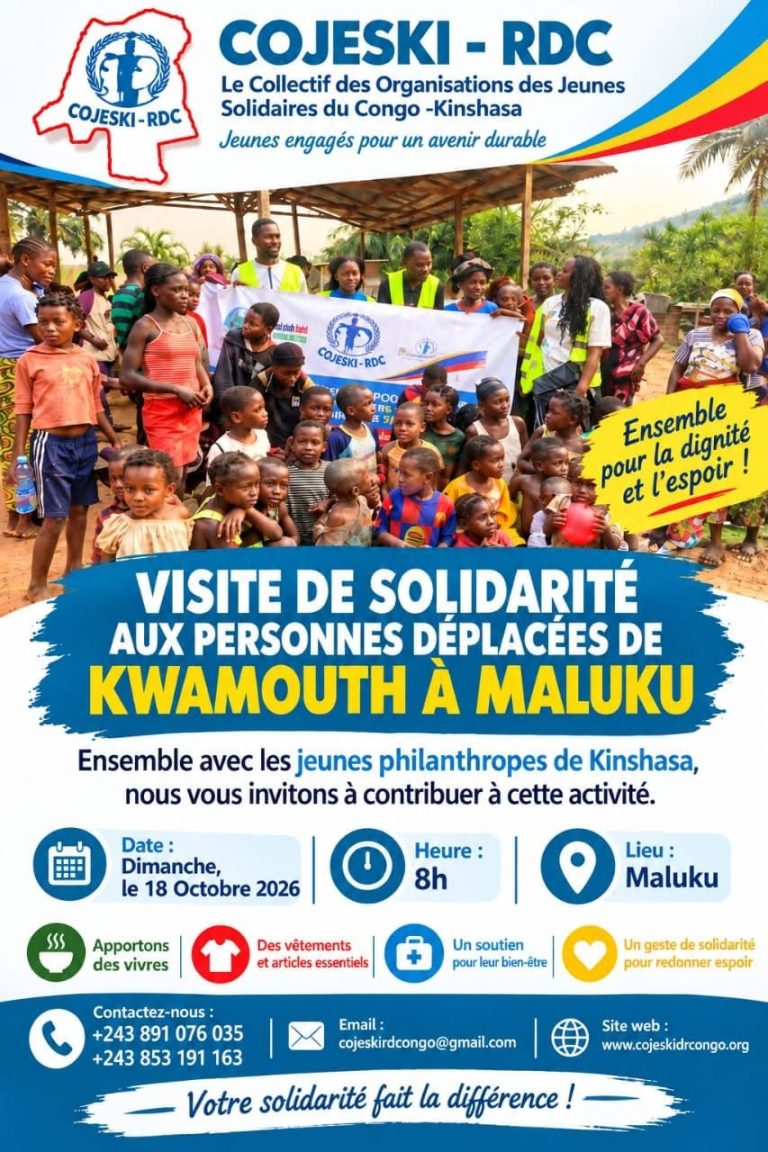
We are also looking at expanding this project to IDPs and Refugees in Kinshasa especially in Maluku.
Lessons learnt
With this project we leant many things which include:
This project helped us to realized opportunities which are in agriculture, helped people to change their minds and look positively at agriculture and motivating even those who were not involved,
Other community members especially from the host communities came from time to time to see what we were doing,
We also observed that the project did not involve so much members from the host communities, and other vulnerable people such the indigenous communities such as Pygmies,
We also learnt that Kalemie such opportunities to consume the food that is produced, and the whole chain of agriculture can create jobs to so many people, and develop some areas which were not much known,