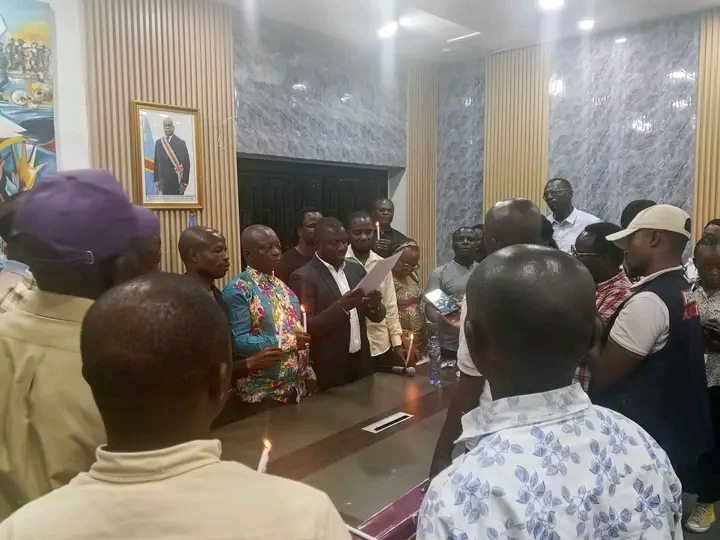
Brief Report on the Commemoration of the Massacre in Beni held on Thursday October 2026 in Kinshasa
-
by
cojeski
- No Comments on Brief Report on the Commemoration of the Massacre in Beni held on Thursday October 2026 in Kinshasa
Brief report of the Commemoration of the massacre of Beni on October 15th 2026 at the Office of the National Human Rights Commission in Kinshasa, DRC
Introduction
The month of October is particular in the history of the Democratic Republic of Congo because it is characterized by many violent incidents which claimed lives of people since 1996 up to now.
It is on this ground that we put a particular attention on the massacre in Beni which started in that very night of October 15th, 2014 where more than 200 people lost their lives. Up to now the massacre continue in Beni that is why we need to highlight this, contrary to many other parts where massacres happened once in ago and stopped, in Beni it has continued for now 12 years.
COJESKI-DRC joined other human rights organizations from the Civil Society to commemorate this and advocate for the end of this brutality in Beni which has claimed thousands lives from vulnerable communities.
Activities
On Thursday October 15th, 2026 COJESKI in partnership with organizations of human rights defenders from the Eastern DRC now IDPs in Kinshasa organized this one day of commemorating and advocate for the end of the massacre in Beni.
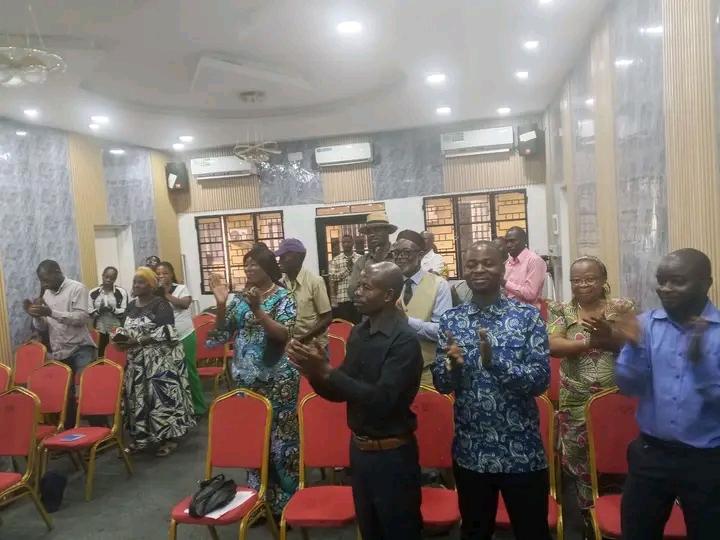
While our activities were planned to start at 9am, we managed to begin at 10:20 am by the National Anthem and the general presentation of the participants.
The Master of Ceremony then introduced to the audience the panelists who will reflect on various issues. The first speaker, a human rights defender from Eastern DRC now in Kinshasa, talked about the massacre in Beni, how it started and all other massacres that are continuing in this part of the country up to now, he also attracted the attention on other massacres which occurred in DRC since 1996 up to date. He also observed that efforts to ensure the security of people are lacking and called upon the Government to work hard in order to end this barbaric actions imposed on civilians.
The second speaker, also a human rights defender from eastern DRC now in Kinshasa, expanded on why the massacre in order to help the audience to understand better the situation. He noted that generally most of the areas on Massacres have strategic Minerals which Multi-International Companies need, in order to loot these minerals they have organized in a group with armed groups based in Eastern DRC. Because of this Civil Society Actors came up with the word “GenoCost” which is now commemorated each August 2nd of the year in order to call upon the protection of innocent people. We reminded the audience that every single time we use gadgets from Techno, Samsum, Apple… among others we should remember that there are lives that have massacred, there are villages that have been destroyed and their people that have been displaced. He noted that DRC Government put in place FONAREV which is supposed to restore the lives of the victims but this institution has lacked credibility and has failed in her mandate. And concluded on how serious is the government when we observe that the perpetrators of the massacres are the one in various positions of leadership in different institutions of the Government.
Then we had the session of questions and answers
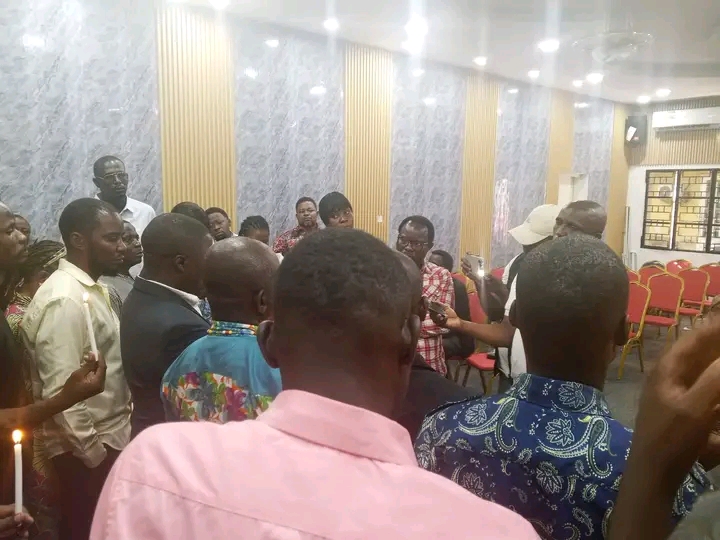
Among the questions was why focus is oriented to massacres in Eastern DRC, and the Panelists clearly indicated that we have massacres in various parts of the country as has been documented by the United Nations Mapping Report, and also asked for similar actions for the massacre in Kasai and Mai-Ndombe among others, no Massacre of innocent people should be ignored or forgotten.
The second part show the presence of four Panelists
The first from the National Human Rights Commission engaged the audience au legal actions which are provided in DRC, and insisted on the need to document human rights violations in order to introduce a case to Courts of Law, he observed that Civil Society Organizations have the opportunity to introduce a case to the law directly. Issues about the lack of the International Special Court of Justice for all crimes committed in DRC was recommended and the need to special tribunal in DRC to prosecute crimes against humanity are also lacking. And concluded his presentation by calling upon actors to support the work of human rights defenders especially those from Eastern DRC living in difficult situation in Kinshasa.
The second Panelist was from the Coalition of Civil Society Organizations for International Criminal Court (ICC), who called upon the participants who put a particular attention on the Transitional Justice and the current push to call upon the victims to forgive perpetrators who have never recognized their crimes. He encouraged Human Rights Defenders to continue advocacy for justice and seeking for accountability starting from the National Human Rights Commission.
The third Panelist from the Civil Society engaged the participants how they continue with these activities and make them regular at least every month but also he recognized the lack of financial support. He lamented about the absence of FONAREV and the failure of the institution to address issues connected to victims and a national memory approach. One among actions is to advocate for change within ways FONAREV operates.
The fourth Panelist from the Wazalendo local defense force engaged the participants how to link the defense of human rights to the protection of the population. In his presentation he observed that we should all focus first of all on the protection of people by restoring security for all, and engaging to stop the massacre first, once that is done, then we can document, we can have a dialogue and we can put in place Courts of Justice. He observed that it may not enough to document and call for prosecution of perpetrators who are committing the same crimes and who are not even prosecuted.
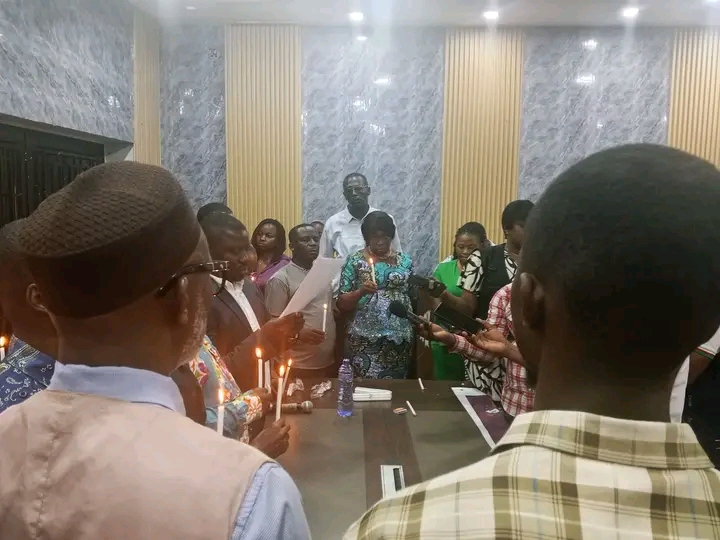
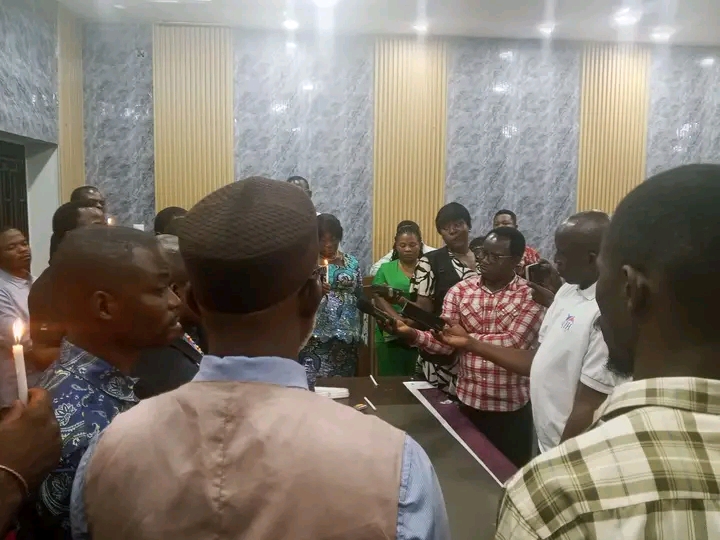
The event also benefited from the Artists who present some songs and ended by a lighting of the Candle and the Press Statement.
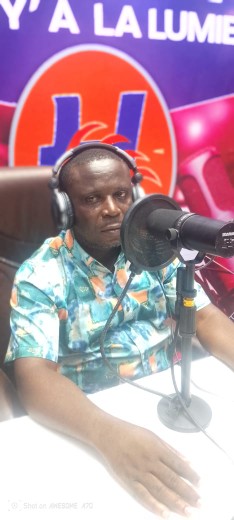
Five (5) Media and press were present, actors of the Civil Society, the general public and officers from the institutions of the Government.
The Commemoration ended at 1:30 pm.
Thanks