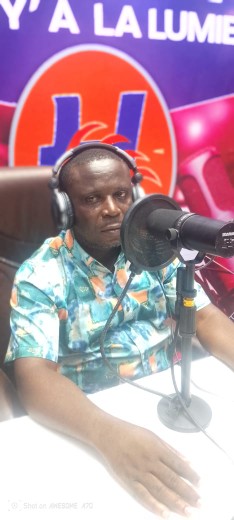
Summery of our talkshow on Radio Heritage FM in Kinshasa focusing on the situation of IDPs and Massacre in Beni
-
by
cojeski
- No Comments on Summery of our talkshow on Radio Heritage FM in Kinshasa focusing on the situation of IDPs and Massacre in Beni
Report of our Talk show on Radio Heritage FM in Kinshasa on Wednesday October 14th, 2026
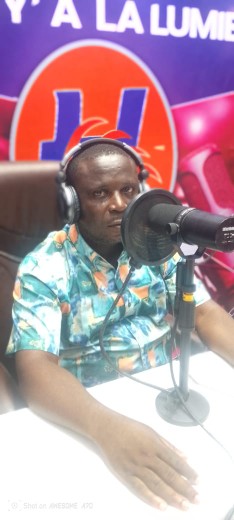
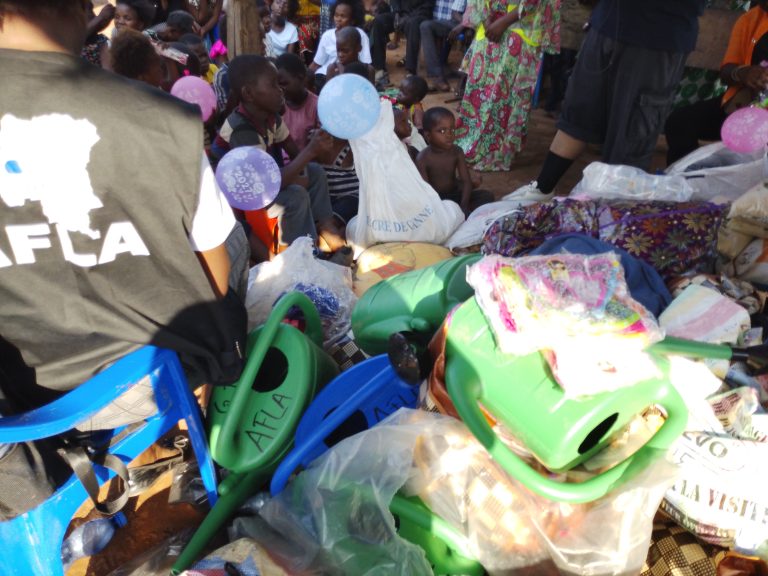
Radio Heritage FM station is one among population FM Radio stations in Kinshasa and covers many other provinces. They invited us for a talk show on the situation of Internally Displaced Persons from Maluku now living in Maluku. This came up when we circulated a flyer of our field visit to Maluku to help those in need, this picked the interest on the Journalist and decided to amply our campaign through our presence in the Studio of Heritage FM Radio.
The talk show started by the presentation of COJESKI and its activities and in this way, the attention of the journalist was more on why we are focusing a particular attention on IDPs and Refugees yet the country has many other priorities. We shared that it part of our inclusive strategy to involve more all those who are marginalized and ensure that no one is left behind, we explained that it is not only Internally Displaced Persons but also refugees, Returnees, people at risk of statelessness and indigenous communities among others. On the issue of why those in Maluku we clearly argued that it was due to promote inclusive responses towards all IDPs in the Democratic Republic of Congo, especially that they are nearer to us but no one talks about them, our attention on IDPs is often driven somewhere else.
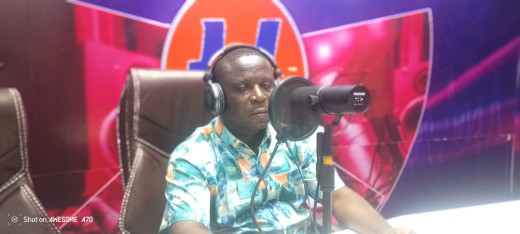
The Journalist also engaged us on the responses from the Minister of Social Affairs. We observed that the Ministry was absent in the daily lives of those IDPs in Maluku, and recommended the journalist to engage more with the Ministry in order to understand why it is absent. On the issue of advocacy to the Ministry, we showed that we wrote letters which have not been answered yet, we also asked for appointment several times but we were not granted an opportunity to engage.
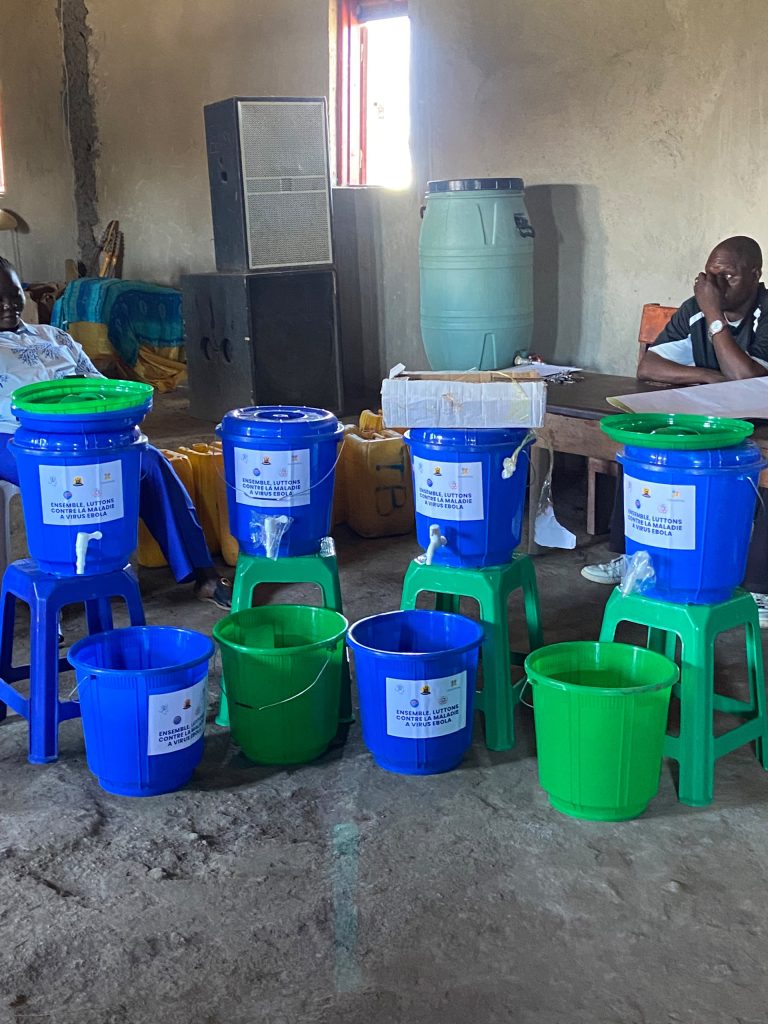
On the issue of the numbers of IDPs, we said we do not have the exact number because we do not resource to profile them but we know those we offer assistance. We indicated how we started supporting those in Maluku since April up to now, and our next move we are going to offer them seeds for agriculture. On the issue of where we get money in order to help people we commented about our online fundraising through GlobalGiving, individual donations here in Kinshasa and our main partner COHERE.
On the issue of the Government programme to mobilize all actors for solidarity towards IDPs, I was not certain if it will work because even the government does not know the very people it’s going to help and argued that solidarity is not material but also physical presence, psychological, moral and spiritual. We also shared how children are not going to school, the problem of water, the lack of a health center, the lack of a shop even where they can buy salt and the fact that they are living there on land which was granted by people of good will.
We exchanged about our double approach both immediate relief aid and engaging them in agriculture and other livelihood activities so that they can be able to over their state of vulnerability. And lastly we talked about the return to their villages once peace and security are restored but this is a voluntary decision, the first step is to support them to live a normal life here and then they will decide to go or to stay.
We clearly emphasized that much as we are doing the little we can in order to help the IDPs and refugees, DRC Government through the Ministry of Social Affairs need to wake up and show their presence and impact in the lives of these in difficult situations. We are so much frustrated that the Ministry is totally absent and is visible when it is about helping those who are far from us because of political interests than helping those who are close to us, and called upon depoliticizing humanitarian interventions in DRC.
We also discussed issues connected to violence and wars which are the main causes of forced displacement of people and called upon efforts to be invested more in conflict prevention. We observed that the state has obligation to ensure the security of everyone and criticized the current DRC Government Diplomatic approach which does not ensure the security of citizens in their communities. What we need to do is to evaluate this Diplomatic approach.